
War on Poverty Story: From Student Organizer to Nonprofit Leader

By Marc R. Levy
Contributor
January 15, 2014 | Read Time: 2 minutes
To commemorate the 50th anniversary of the War on Poverty this year, The Chronicle asked readers to submit stories about how the effort affected their careers. Marc R. Levy shared his story.
The War on Poverty was a time when our country shifted the focus from merely economic growth to a recognition that poverty was really about people and families. In the late 1960s, I had the opportunity to be a witness of good as the director of a student-run program at the University of Oregon that functioned much like a campus arm of the local community-action agency. Our mission was student community projects and evolved into advocating for the university to address poverty in Lane County, Oregon. We mobilized students to be tutors in the schools, to help during a major snowstorm, and to provide programs and services to those most in need.
The experience shifted my education goals toward what was then termed community organizing, then social action, then community planning. Now it is referred to in social-work terms as “macro practice focusing on organizations and community change.” All of this was the beginning of a professional career that began in the early 1970s and continues to this day. It has focused on education, health, and income, recognizing that these three factors are all interrelated.
I continue to be a witness of good in nonprofit work that can help break the cycle of poverty. The frustration is that we in fact know what works and have years of demonstration programs showing how to make a positive difference. The sad part is that despite our knowledge and expertise we have not been willing to commit again to taking what works to scale. Scale would mean that we fund this war again with the goal and commitment to reach success.
We started this years ago by acknowledging that poverty is about people who for a variety of factors have fewer resources and more struggles than others.
Life does create unequal resource distribution, and that is just the way it is. Yet the gap does not need to be as great as it is, and if we truly desire to end poverty in our lifetimes we can do it. The cost is less than the other wars we have fought. The benefit is greater to our neighborhoods, communities, and nation. Yet for some reason our fears of others have caused us to live in a world of myths and distrust rather than one where we can ensure that everyone has access to quality education, health care, and a livable wage.
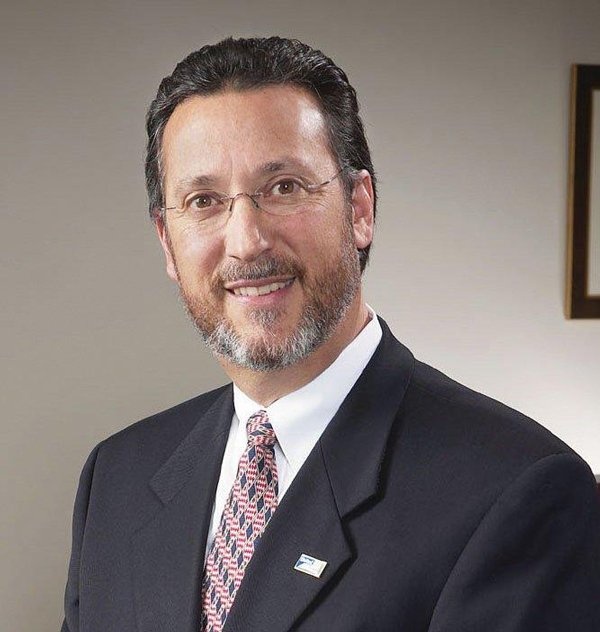
Marc R. Levy is executive director of the Questa Education Foundation, in Fort Wayne, Ind.
How has the War on Poverty influenced your career? Send your story to editor@philanthropy.com.
See all of our coverage timed to the 50th anniversary of the War on Poverty in this special section.




