
War on Poverty Story: Nonprofit Career Had Its Roots in ’60s Program

By Marci Levin
Contributor
February 12, 2014 | Read Time: 3 minutes
In 1965, I was a young married woman with a bachelor’s degree in American history looking for a job in Washington. A friend told me about Upward Bound, a program financed by the newly formed Office of Economic Opportunity to help high-school kids go to college. I was hired, along with four other women and two men. Our organization was the liaison between the Office of Economic Opportunity and the colleges that had contracts to work with the kids.
Each of us was totally responsible for the colleges in “our” region—which in my case was the Midwest. I learned about budgeting, programs, college operations, public relations, legislation, and, of course, the then-current literature on disadvantaged high-school kids. I worked days, nights, and weekends. It was exciting, all-consuming, chaotic, and stressful—and I loved every minute.
Six months later, male “senior” managers were hired over us to administer each region. I objected to what I perceived as a demotion and was fired. (Although the Equal Employment Opportunity Commission had opened its doors, it didn’t occur to me that I had encountered job discrimination based on sex.)
Despite this experience, which at the time was shattering, I landed a job at Washington’s community-action agency—part of the new network of antipoverty groups set up under the Office of Economic Opportunity. Although the employees were hard working and caring, the program faced serious problems. Would-be grantees complained there wasn’t enough money, while some members of Congress and the media complained that an enormous amount of money was being “wasted.” Many people became discouraged to realize that poverty was not going to be solved immediately.
I left to join the U.S. Commission on Civil Rights to work on a study looking at racial isolation in the public schools. Although technically not part of the War on Poverty, the study examined poverty as an underlying element of such isolation. When it ended, I transferred to what became the Department of Education’s Office for Civil Rights, negotiating with school officials on desegregation.
As times change, priorities change. Soon much of the energy that the nation could have spent fighting poverty was diverted into fighting, or protesting, the Vietnam War.
My friends and I who worked in these jobs were not so naïve as to believe that the systemic problems of poverty would be solved through our efforts. One of the strengths of the antipoverty fight was that so many diverse voices were heard and heeded. I learned that there is no single overall strategy that works.
Although my career veered away from the War on Poverty, I stayed in the nonprofit world. Today, I work part-time for a nonprofit ballet academy and serve as a member of three nonprofit boards. I am still close to the friends I made during my Upward Bound days almost 50 years ago.
The on-the-job and on-the-run experiences at Upward Bound and the community-action agency, the good and the not-so-good, prepared me for jobs in government and in the nonprofit world. I don’t know what changes occurred because of the work we did, but I can thank the War on Poverty for influencing my career—and my life.
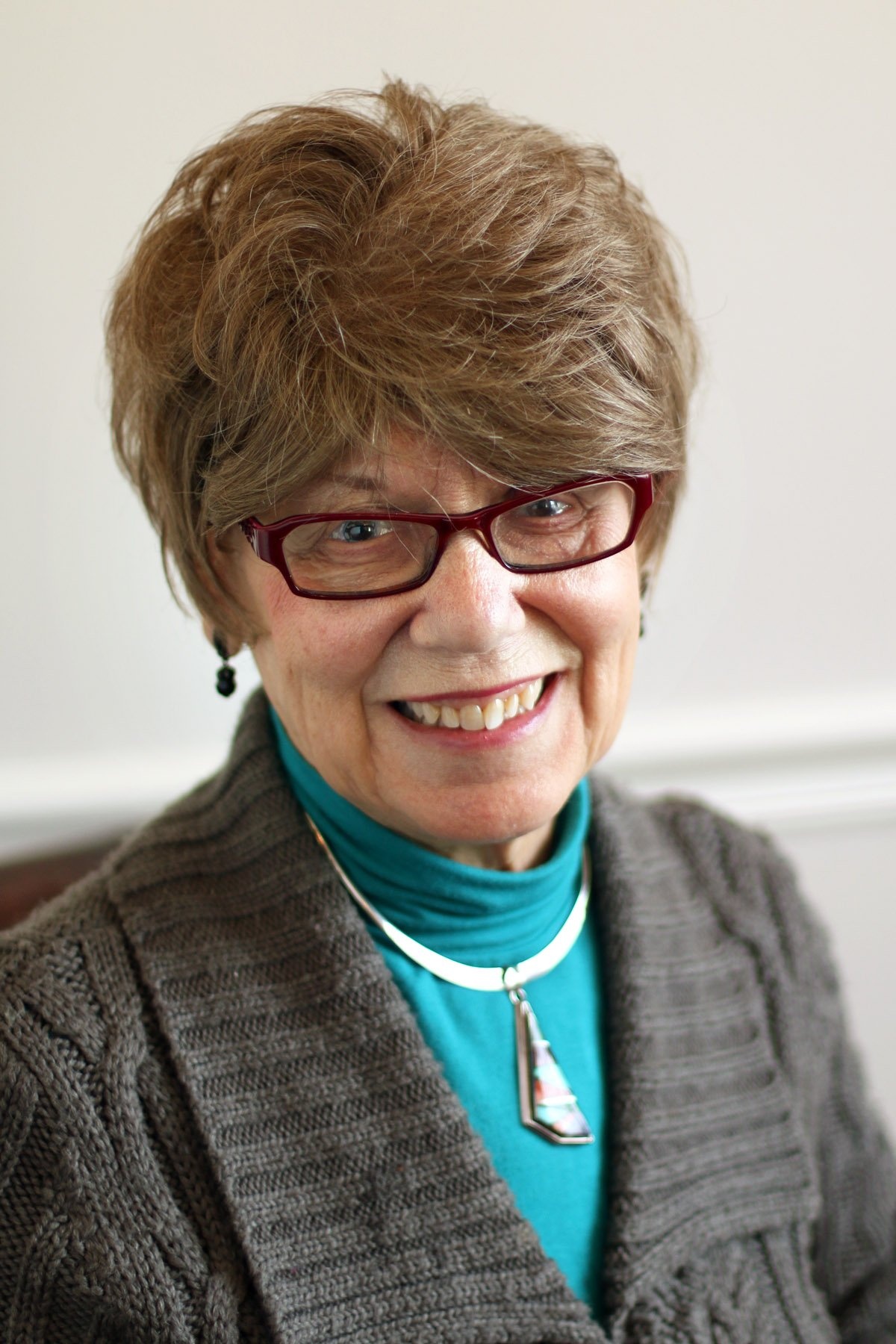
Marci Levin is an arts consultant and fundraiser who works part-time doing grant writing and research for the Kirov Academy of Ballet of Washington, D.C.
See all of our coverage timed to the 50th anniversary of the War on Poverty in this special section.




