December 29, 2017 | Read Time: 2 minutes
School was a refuge for Anthony Richardson as a child growing up in Lorain, Ohio. He never met his father, and his mother, who suffered from drug addiction, abandoned him when he was in fifth grade. He was homeless, bouncing between shelters and friends’ and relatives’ couches. But with the encouragement of teachers, he worked hard, made the honor roll, and had perfect attendance.
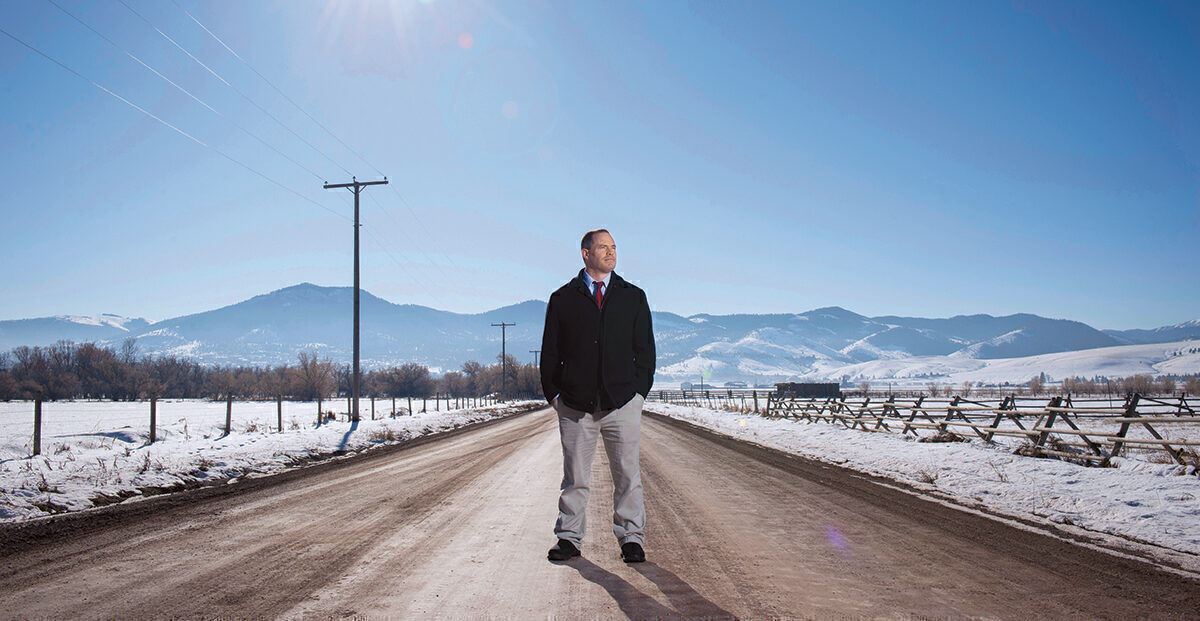
Now, having transcended those challenges, Mr. Richardson heads the Lorain Academic Distress Commission, created by the state to improve the city’s failing schools. He’s also a program officer at the Nord Family Foundation in nearby Amherst, where education is a key part of his work.
This is the latest chapter in a career devoted to improving life in the region, which has been hit hard by manufacturing’s decline. Mr. Richardson was elected to the city council in 2011 when he was just 28. Four years later he gave up his seat to join the Nord foundation. He believes passionately that government, philanthropy, and nonprofits have to work together in a holistic way.
That’s harder than it seems. Earlier this year, he met with school officials about four proposals from nonprofits to start new programs to help the district. The administrators didn’t know about the proposed programs and said they would duplicate existing efforts. “That happens so much in philanthropy,” Mr. Richardson says with a sigh.
Foundations, he says, have a sacred responsibility to make sure their grants don’t inadvertently hurt the people and organizations they’re trying to help.
“If you have low expectations for people, then we’ll continue to do grant making that sustains their condition,” Mr. Richardson. “If we have high expectations of people, then we’re going to do transformative, really intentional, really informed grant making.”