

October 3, 2017 | Read Time: 2 minutes
Hurricanes, floods, and other natural disasters visit terror and hardship on everyone in their path. There’s the flight to safety, fear for friends and loved ones, and the destruction of homes and property. People living with disabilities often face added obstacles — before and after they’re rescued.
“Someone shows up in the boat or the helicopter, and they will take the person, but they won’t take their wheelchair,” says Paul Timmons, co-founder of the nonprofit Portlight Inclusive Disaster Strategies. The result: People end up in shelters without the tools they need to be independent or, worse, they’re unnecessarily evacuated to a hospital or nursing home.
Mr. Timmons started Portlight in 1997 to recycle and refurbish medical equipment. The group turned its attention to disaster relief after Hurricane Katrina, working to get wheelchairs, walkers, canes, and other mobility aids to storm survivors who were evacuated without theirs.
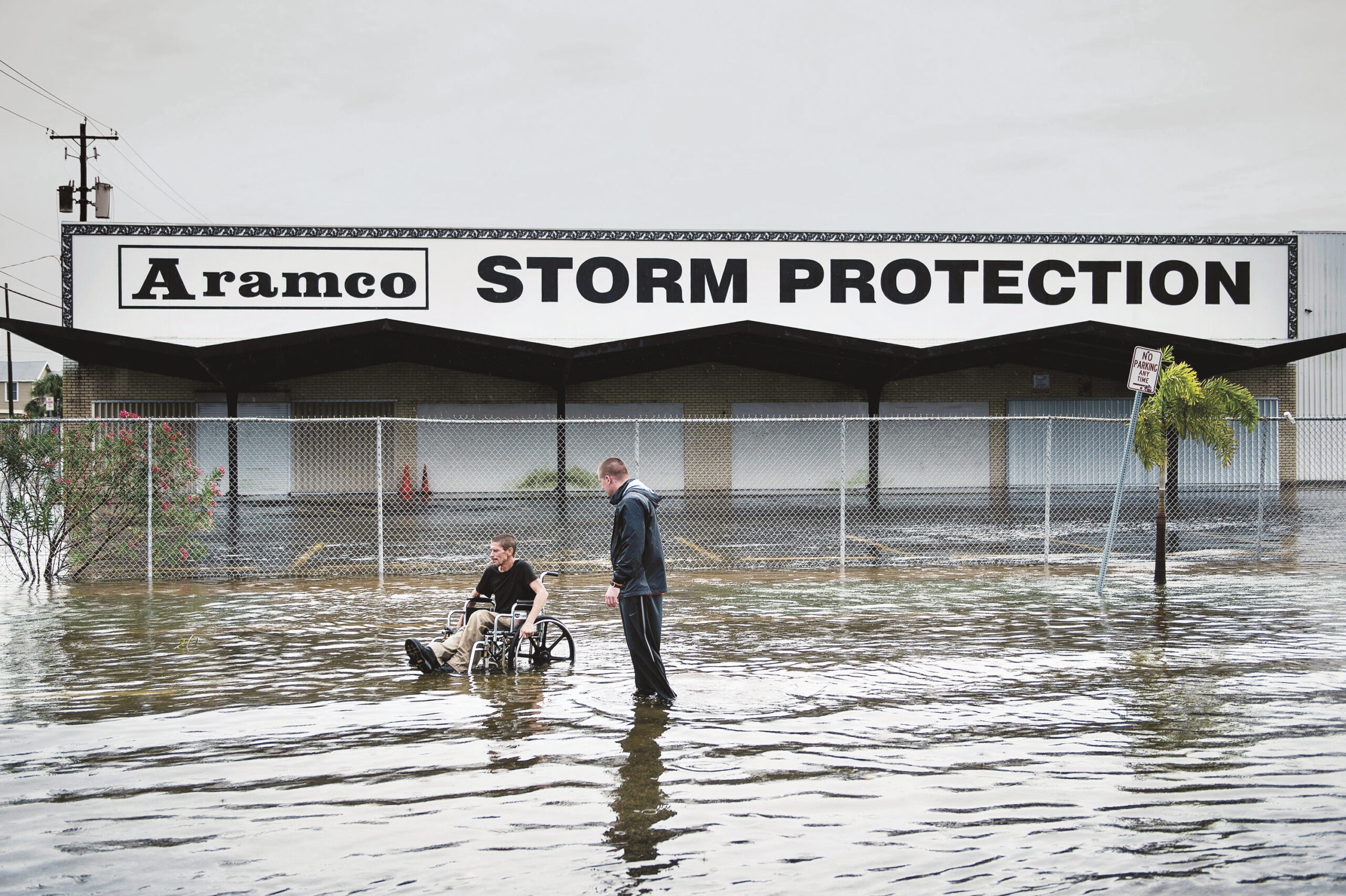
Portlight has since helped start the Partnership for Inclusive Disaster Strategies, a national coalition of disability groups. After a storm like Hurricane Harvey, which hit Texas (pictured), and Irma, which ravaged Florida, people with disabilities can call a hotline run by the partnership to get help finding emergency shelter, medicine, accessible housing, and other resources.
The coalition also runs daily calls that bring together national disability organizations, federal agencies, state agencies, the Red Cross, and others to share information and find solutions for storm survivors with disabilities. Among the most critical issues: figuring out, in the wake of a disaster, how to identify people evacuated to institutions and make sure they have the help they need to return home.
“We have years of experience in which people were lost into those systems,” says Marcie Roth, the partnership’s chief executive. “To this day, there are people who were never able to leave those more restrictive environments, despite the fact that they started the storm in their own home.”





