
White House, Google, and Starbucks Inspire a Charity’s Management

By Michael Anft
Contributor
December 4, 2018 | Read Time: 1 minute
When Jonathan Greenblatt took over the Anti-Defamation League in 2015, he saw an organization that had long been centralized around its veteran chief, Abraham Foxman.
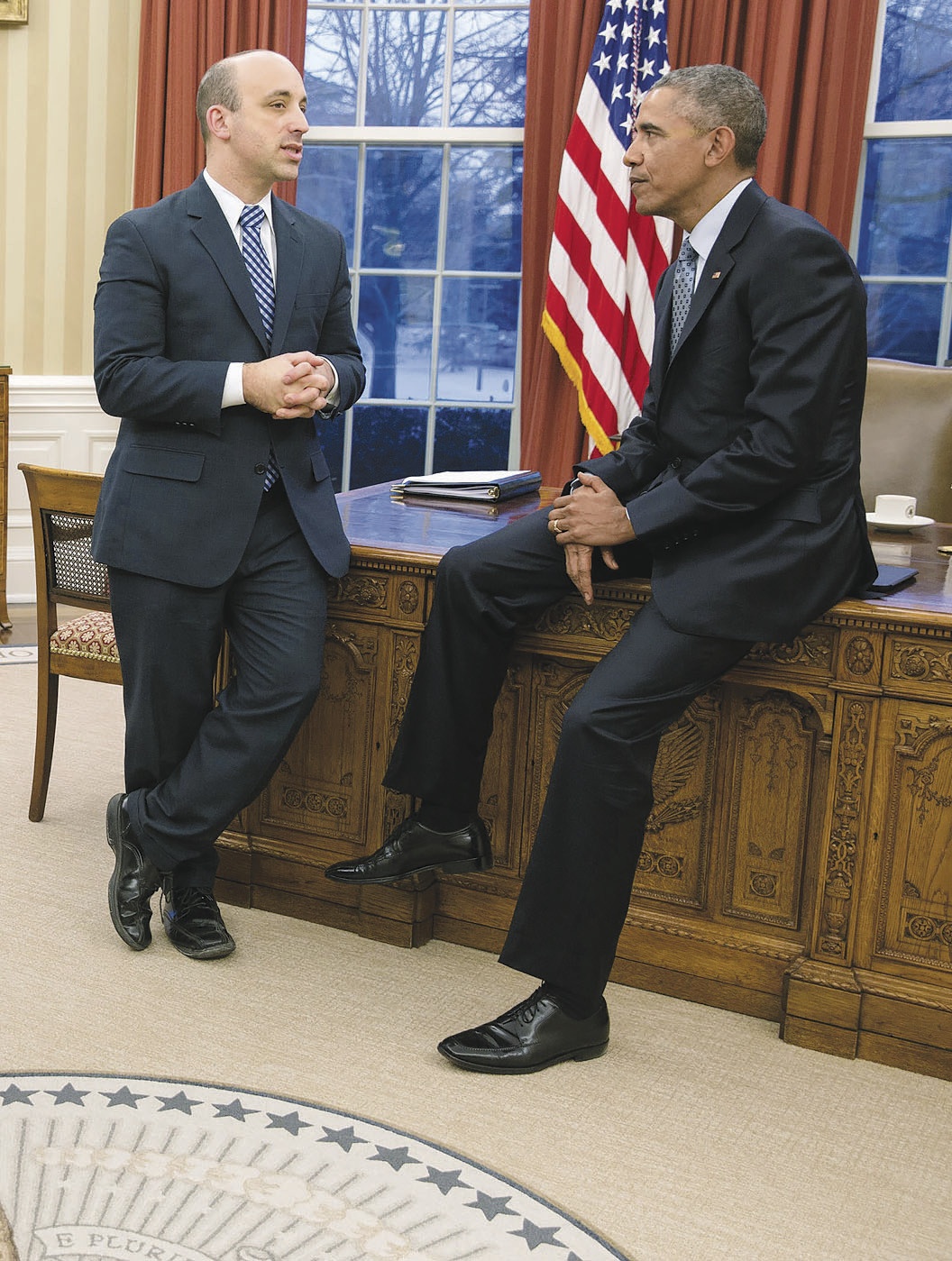
After years of working in the White House and studying the workings of giant technology companies as a West Coast businessman, Greenblatt saw possibilities to run the ADL differently.
He started with a strategic plan, one that included changing how the group was organized. “Both the White House and Google have well-defined hierarchies, but they’re very flat,” Greenblatt says. “At ADL, the structure was vertical, with power concentrated at the top. Things didn’t move fast. They were frozen in time.”
Offering Support, Not Orders
To help the charity respond faster to the challenge, Greenblatt began to change how ADL’s New York headquarters interacted with its 26 regional offices.
He also took a cue from Howard Schultz, the former Starbucks chief executive, who called that company’s headquarters a “support center.”
Greenblatt renamed the ADL’s Manhattan redoubt the Community Support Center.
Though he remains the anti-bias organization’s voice, Greenblatt wants the ADL’s regions to have more autonomy and take more of the lead when it comes to carrying out much of the work, such as training local police departments about racial and ethnic bias and calling out bigotry.
He also wants to hear more ideas from people running the outposts about where the ADL needs to take action.
“This office used to be called ‘National,’ as in, ‘What does National expect from us?,’ ” Greenblatt says. “That didn’t seem like the best way to do things. I want our regions to feel empowered and to expect more from us. I’m very accessible. I’ve made myself very open to them. The organization is stronger if we serve our regions.”






