
June 1, 2016 | Read Time: 7 minutes
Executives with Microsoft, Citi, PNC, and Walmart explain how and why specific nonprofits were chosen to receive millions of dollars in support.
Microsoft Embeds Philanthropy in Business Operations to Build Tech Skills

Microsoft recently shook up its corporate structure in a bid to sharpen the focus of its giving strategy, creating a separate department, Microsoft Philanthropies. The executive tapped to lead the division, Mary Snapp, reports directly to Microsoft’s president, Brad Smith — an indication that the company is elevating the importance of giving back, she says.
“I hope I can add an ability to integrate our philanthropy work much deeper into the business side,” she says.
The move also will help the software giant target its philanthropic efforts on what it does best.
Ms. Snapp says her immediate plan is to create a culture of skills-based volunteering at Microsoft. Currently students in 131 schools take part in computer-science courses led by Microsoft-trained experts. She’d like to bring the program to 700 schools over the next two years.
Versatile Leader
In January, Microsoft announced that over the next three years it will donate $1 billion in cloud-computing services to nonprofits. The goal is for 70,000 organizations to get access to Microsoft’s data centers and to business intelligence, data-analytics software, and donor-management tools.
Ms. Snapp has a nearly three-decade history at Microsoft’s Redmond, Wash., headquarters, starting with her hiring as the company’s first female lawyer. She has since led teams in business development and the company’s products and services group. Connections she’s made in those roles have given her a unique perspective into how the skills of Microsoft’s work force can be used for social good, she says.
At Citi, Influence Is Pivotal
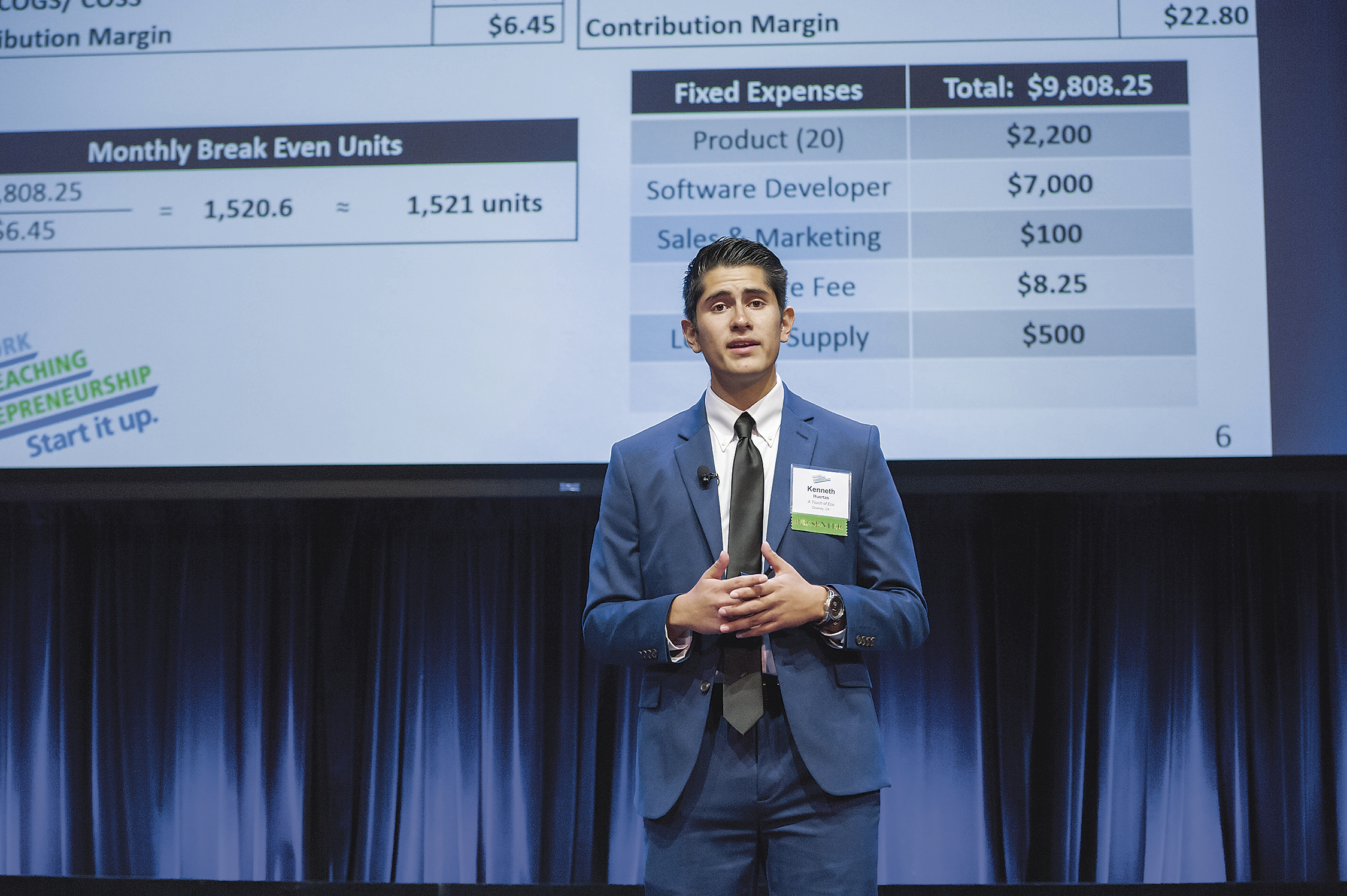
With $50 million ready to be plowed into urban youth programs, Brandee McHale, president of the Citi Foundation, had a few criteria for who would receive support.
To take part in Pathways to Progress, a three-year Citi program launched in 2014, nonprofits needed to work with young people in cities. They had to focus on entrepreneurial skills, and they had to provide summer jobs or mentors. And grant recipients needed something else: well-established programs and a proven record of lining up jobs for students. “We frankly don’t have enough funding to start from scratch,” Ms. McHale says.
The head of Citi’s philanthropic efforts worked at the banking giant for more than a decade before moving to the Ford Foundation in 2004. She returned to Citi three years later with an important lesson: Grant makers’ influence is just as important as the checks they write.
Bringing Leaders Together
Pathways to Progress is a case in point. Citi’s goal isn’t just to increase the number of slots in programs for urban youths — it’s to enhance grantees’ offerings by bringing municipal and corporate leaders, other nonprofits, and additional donors to the table to offer financial education and mentorships.
Thus, Ms. McHale says, most of her team’s time isn’t spent with grantees. Rather, they work to bring others on-board to programs those groups have in large part already developed.
“We used to think leadership was synonymous with exclusivity,” she says. “We wanted to be either the largest funder or the only funder. We now think leadership is synonymous with influence.”
PNC Builds Strong Education Track Record by Letting Staff Choose Priorities
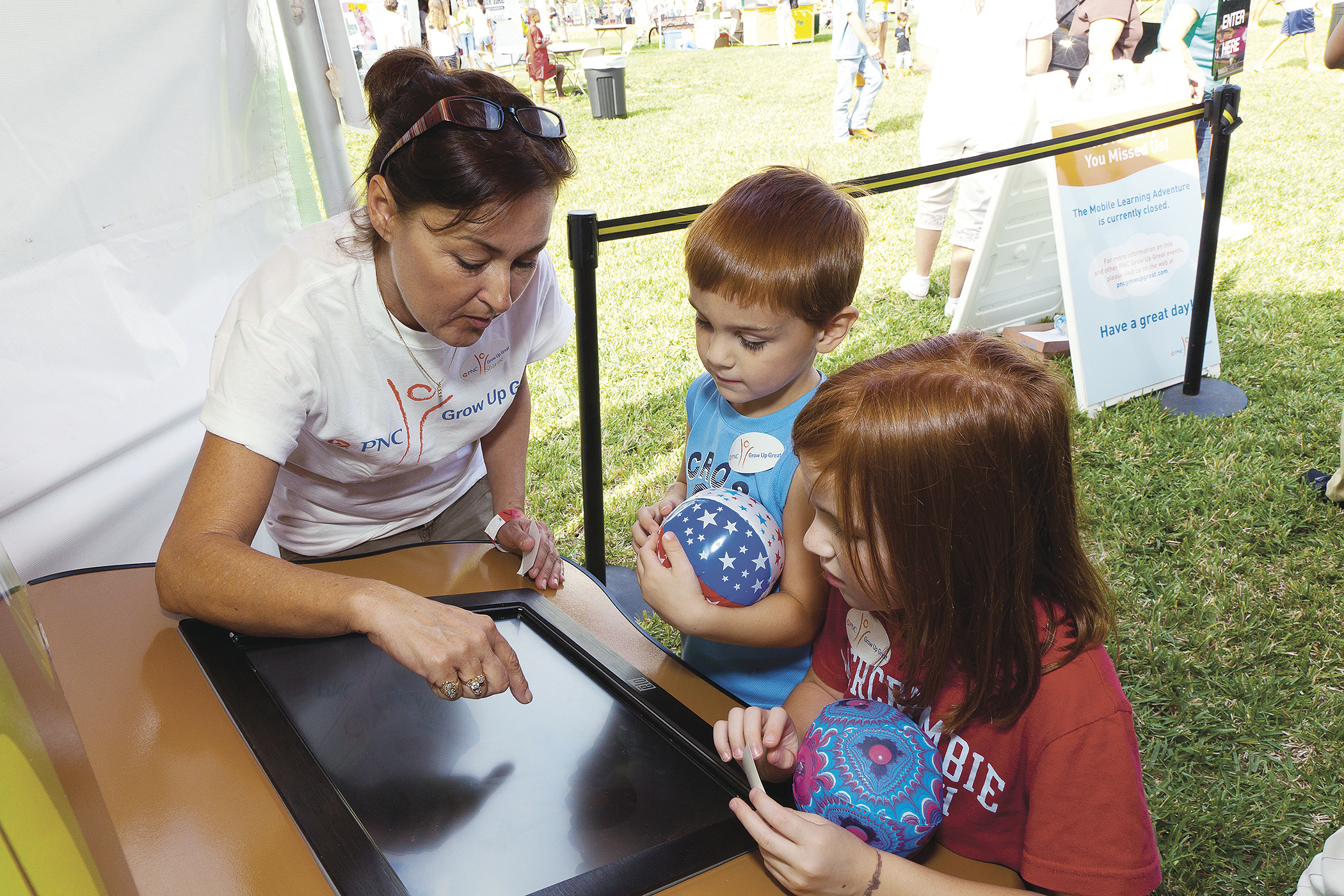
Twelve years ago PNC Bank decided to focus much of its philanthropy on a single issue that has very little to do with financial services: early-childhood education.
Since 2004, the company has committed $350 million to help young children prepare for school through its Grow Up Great program.
The result, says Sally McCrady, president of the PNC Foundation, is that the bank’s business operations and philanthropy have become closely identified with helping children under age 5.
“It has become a part of who we are as a company,” she says. “We’re known for supporting early childhood in our markets. It’s become part of our brand.”
Ms. McCrady attributes the program’s staying power to several factors. First, and perhaps most important, PNC employees helped pick early-childhood education as the company’s philanthropic focus, and their enthusiasm helps keep the effort afloat. Staff are given up to one week each year of paid time off if they volunteer for a program associated with Grow Up Great. More than 50,000 employees have taken part, dedicating about 675,000 volunteer hours to local nonprofits.
Grow Up Great has also succeeded, she says, because PNC came early to a field that at the time had received little attention but has since come into vogue.
Having clearly defined responsibilities helps, too. Recognizing that it lacked experts in education, PNC created an independent advisory board at the outset of Grow Up Great to help make strategic decisions, Ms. McCrady says.
What the bank can do well, she says, is raise awareness of the issue by promoting early education at its ATMs and branches and in online advertisements.
Employees Decide
The company further embeds the education program in its business operations by giving regional vice presidents some sway on picking which nonprofits to support, making sure they keep the foundation’s mission in mind.
“In addition to their business responsibilities, they’re responsible for philanthropic activities,” Ms. McCrady says. “They really have become spokespeople for the issue.”
The best grantees, she says, can work with children in the classroom, provide training for teachers, and set up programs outside of schools that attract parents and engage their communities.
For instance, the foundation’s $10 million vocabulary project supports efforts in 10 cities to close the “word gap.” Studies have shown that children under 3 in poor areas are exposed to 30 million fewer words than kids in more affluent areas.
To help reduce the disparity, PNC’s regional vice presidents picked nonprofits in their cities that distribute books to children and families at doctor’s offices; send educational materials such as Sesame Street’s “Words Are Here, There, and Everywhere” reading kits to students’ homes; and train educators and caregivers on how to increase children’s vocabularies.
“Typically we’re looking for a nonprofit that has an ability to operate on several levels,” Ms. McCrady says.
Walmart Aligns Giving With Work-Force Needs
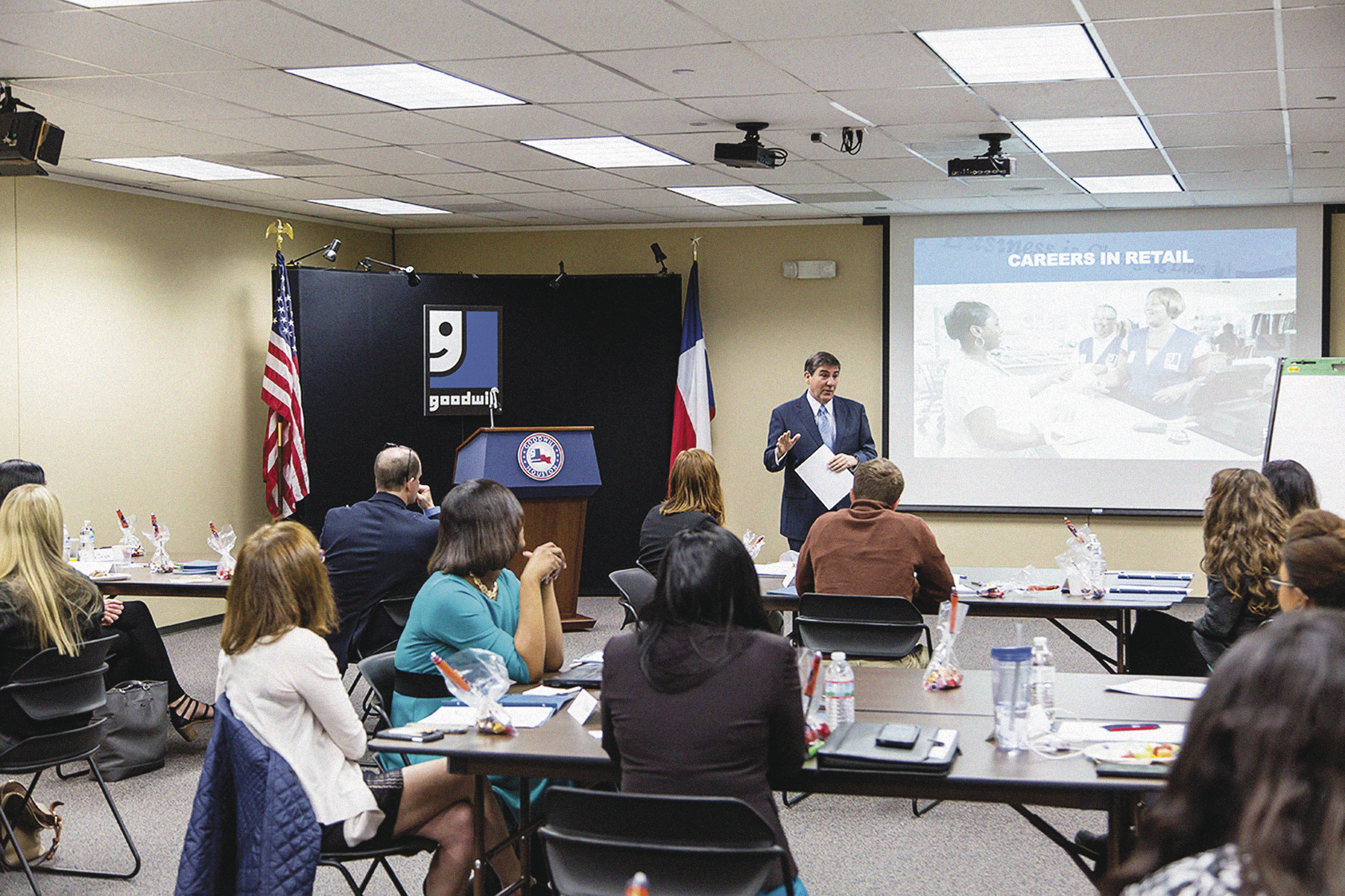
To succeed as a retailer, Walmart needs a lasting pipeline of motivated workers to ring up customer purchases and stock store shelves — and that need is exactly what drives a large part of its philanthropy.
In 2015 it committed $100 million over five years to help U.S. retail employees advance through the ranks. About a quarter of U.S. employment is in the retail industry. Too often, says Kathleen McLaughlin, president of the Walmart Foundation, these are considered dead-end jobs. “We want a retail sector that is vibrant, attractive and that has a fantastic talent pool,” she says.
Walmart has supported organizations such as Dress for Success, Goodwill Industries, and Jobs for the Future to get people ready for their first job and to train workers to take on bigger responsibilities after they become part of a store’s staff. The company’s philanthropy is only part of the story. Walmart, the nation’s largest retailer, can also make a difference by adjusting its own employment practices, Ms. McLaughlin says.
More Flexibility
Walmart has long been the target of critics who say its workers are made to work unpredictable schedules for little pay and scant benefits. In recent years, the company has made its workplace scheduling more flexible and benefits more generous. In January 2015, Walmart announced that all new hires would earn at least $9 an hour. Beginning this January, employees who complete an in-house training program known as Pathways will get at least $10.
The goals, Ms. McLaughlin says, are to reward employees who undergo training and to make retail work more attractive. “We can have a material impact on the system through our own corporate practices,” she says. “The main contribution to society is through our core business.”