With Safaris on Hold, a Conservation Nonprofit Restarts Small In-Person Events

By Emily Haynes
Senior Editor, Nonprofit Intelligence
September 15, 2020 | Read Time: 5 minutes
This spring, the African Wildlife Foundation was quick to warn its donors that Covid-19 could hamper its efforts to protect wildlife and provide good jobs to communities surrounding protected areas across Africa. It was a clear fundraising message for the conservation group, which has long worked to advance the well-being of communities and ecosystems in tandem, says Lindsay Kosnik, vice president for development.
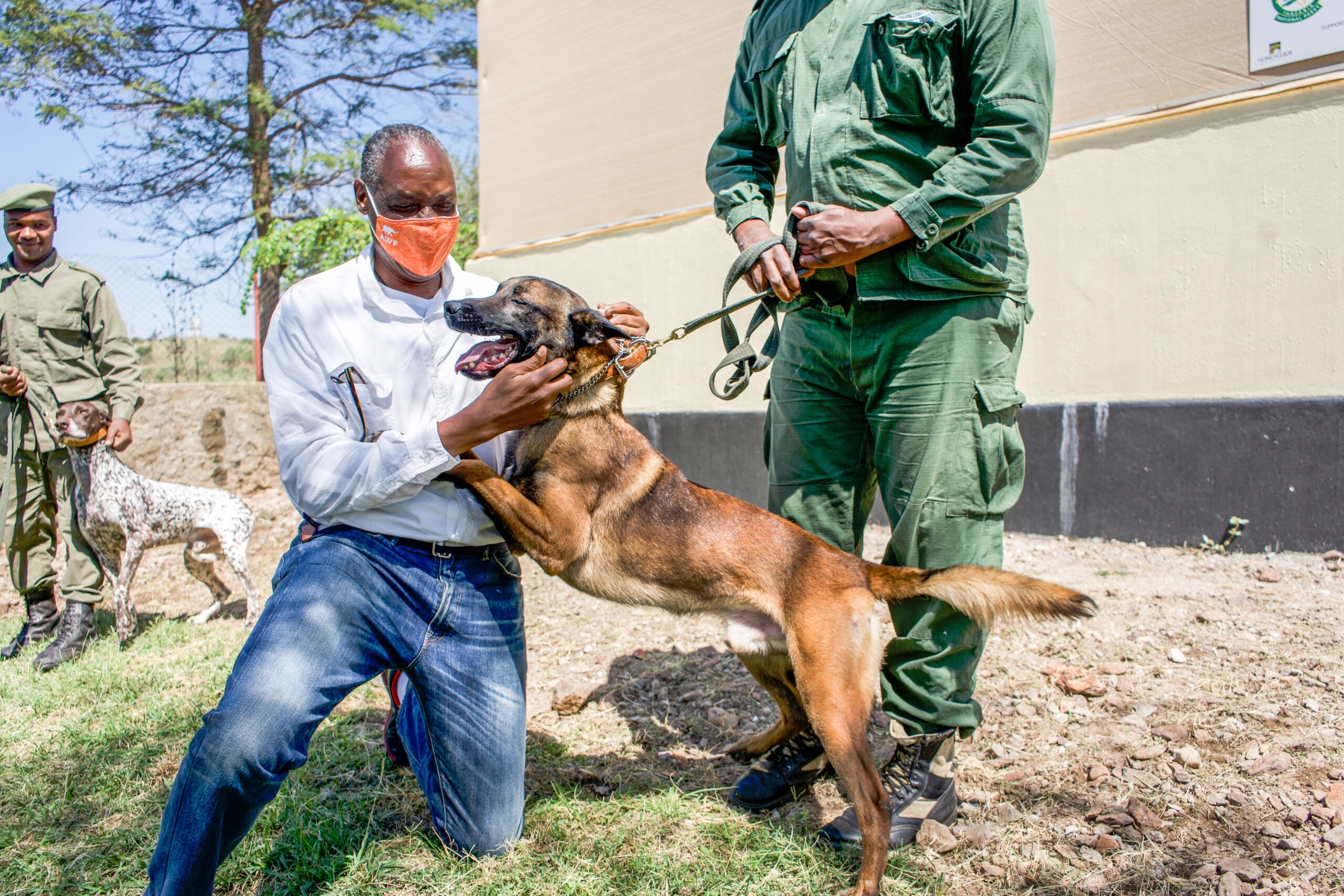
Employees based throughout the African continent led the effort to redesign the charity’s work on land-use policy, economic development, and wildlife conservation and draft a budget for a response to Covid-19. The board approved a $1.65 million emergency fundraising campaign to support efforts including providing personal protective equipment and public health information for rangers and residents, job opportunities for people who had lost work from declines in tourism, and tracker dogs to help smaller groups of rangers patrol for poachers over bigger regions.
“Our program had to shift radically, and therefore the messaging in our fundraising efforts reflected that real emergency on the ground,” Kosnik says.
Loyal supporters immediately made the connection between conservation and emergency response, she says. For many donors, the emergency gifts were personal: Some had been on safari to the parks that the foundation protects, while others could empathize with the new need because their own lives had been changed by the pandemic. Dependable year-end donors made an earlier contribution, while others made larger-than-usual gifts, according to Kosnik.
To date, the charity has raised nearly $1 million to respond to Covid-19. The board approved reserve funds for that work, but so far individual donations — including a $200,000 matching gift from the actress Candice Bergen — have forestalled their use.
“Keeping ourselves as relevant as possible to the people who know us, love us, and get us — that’s priority number one,” Kosnik says.
Reaching New Supporters
The charity also hopes to bring new donors into the fold. Historically, the group’s legislative advocacy has helped introduce wildlife enthusiasts to its work — a strategy it continues to use. But Kosnik knows it’ll be harder to win over new donors as the pandemic and presidential election dominate headlines. “There’s a lot of competing noise and crises,” she says.
For the last 20 years, the charity’s safari program has helped it connect with high-net-worth donors and prospective board members. In November 2019, for example, the group led a safari for executives of African companies, and one of those executives became a trustee after he returned.
The expeditions to land preserves in Ethiopia, Namibia, Tanzania, and other African countries let travelers spot wildlife, learn about the foundation’s conservation programs, and take in breathtaking landscapes. The 10-day trips start at $8,900 per person, including accommodations and guided tours. It’s common for existing donors to increase the size of their annual gifts to the African Wildlife Foundation after returning from safari, Kosnik says.
But this year, travel restrictions and public health precautions have suspended the program, and the charity pushed all safaris into 2021. Even so, some donors who were booked for 2020 expeditions donated the cost of their trip to the African Wildlife Foundation this year, Kosnik says.
While safari-bound supporters wait out the pandemic, fundraisers are brainstorming ways to keep them close.
Kosnik’s team is planning intimate in-person events inspired by the small outdoor get-togethers that many people have leaned on to safely socialize this summer. Kosnik is planning backyard cocktails at a board member’s home for a small group whose planned October safari has been rescheduled to next year. A safari guide and several staff members, including two who work on conservation and safari management, will give attendees a sneak peak of what they’ll see on their trip.
Pent-Up Demand
Fundraisers are also using virtual events to stay connected with travelers whose trips have been postponed. The virtual format has enabled employees who work across Africa to speak directly to supporters in the United States and Britain. “We’re doing more webinars than we ever did, which is great. But we’re also sensing there’s some Zoom fatigue,” Kosnik says.
While most travel from the United States and Britain is on hold, the charity hopes to promote its safaris to those who would only need to travel regionally. Last weekend, Kaddu Sebunya, the charity’s chief executive, who lives in Nairobi, traveled with his family to Serengeti National Park in Tanzania to check on the tracker dogs that the African Wildlife Foundation donated to the park. The charity hopes the Sebunya family’s trip will encourage more Africans to join safaris.
It also anticipates “pent-up demand” for 2021 safaris, Kosnik says. Registration is open for expeditions beginning in May, and fundraisers hope people who spent much of 2020 cooped up at home will be eager to travel again next year.
“I wouldn’t say we have a lot of registrations yet for those safaris,” Kosnik says. But she has fielded a lot of questions from people who are interested.
Until then, all eyes are on the end of 2020. The African Wildlife Foundation brings in roughly 60 percent of its revenue during the last quarter, according to Kosnik. In the coming months, the charity will focus fundraising appeals on its Covid-19 response efforts. But Kosnik worries that some donors — especially midlevel supporters, who give around $1,000 a year or $100 a month — may give less or not at all this year. She says those donors may be most at-risk of feeling the pandemic’s economic impact. Then there’s the added risk that donors at all giving levels may focus on political messages ahead of the presidential election, rather than end-of-year charitable appeals.
Kosnik expects major donors to stick with the charity. That’s because the stock market has remained strong even as unemployment stays stubbornly high. Even so, she says, it’s critical that fundraisers not make assumptions about a donor’s giving capacity right now. The charity has kept in touch with major donors since the pandemic began and has loosened fundraising requirements for board members, while asking those who can give more to do so.
But figuring out what donors can give isn’t easy, especially as the health crisis continues. Fundraisers need to talk frequently with big donors and listen to how their families and finances are weathering the pandemic, Kosnik says. “It’s this delicate dance.”