Worried About More Than a Possible Recession
Donor fatigue is a concern for fundraisers at Habitat for Humanity International and the International Rescue Committee.

By Emily Haynes
Senior Editor, Nonprofit Intelligence
November 5, 2019 | Read Time: 2 minutes
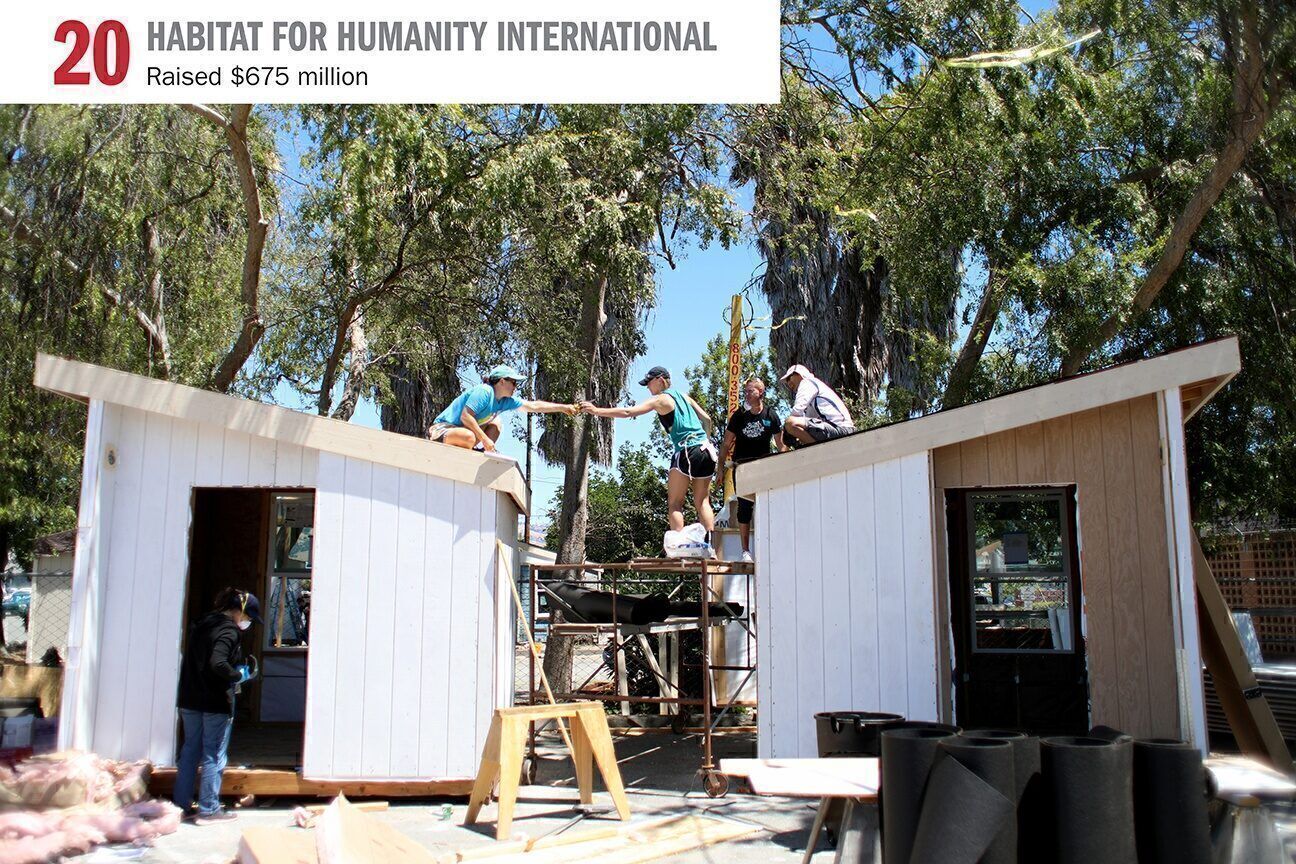
Disaster-relief donations are essential to Habitat for Humanity International (No. 20, up 18 percent). But as more wildfires, hurricanes, and other natural disasters seem to happen each year, Colleen Finn Ridenhour, the group’s chief development officer, wonders how long it can count on them.
“By the time you get to the fourth or fifth in a series, do we start to lose donors’ appetite or interest?” she says. “Is this donor fatigue?”
How people will respond to the uptick in disasters remains to be seen, but Habitat isn’t waiting to find out. It hopes to head off donor attrition by emphasizing the value of disaster preparedness. Fundraisers make the case for this investment through emails, social media, and face-to-face meetings with corporations and major donors.
Simpson Strong-Tie, for example, began donating cash and products to Habitat in 2007. After fundraisers talked to the construction-materials manufacturer about the importance of disaster preparedness, the company provided $85,000 in start-up money for Habitat Strong, a program that builds homes to withstand extreme weather.
This summer, Simpson Strong-Tie increased its support of the program to $200,000.
‘People Become Overwhelmed’
The International Rescue Committee (No. 65, down 1 percent) is also worried about donor fatigue. After President Trump’s election, the international relief group had no shortage of donors. Since then, there have been a number of humanitarian crises, but so much media attention has focused on domestic issues that the charity has struggled to stay on donors’ radar, says Andrea Carricato Weyhing, the organization’s associate director of marketing campaigns.
“I think people become overwhelmed,” she says. “That is a challenge for all fundraisers. How do you break through all of that? How do you make yourself stand out, whether it’s your organization or your cause?”
As the 2020 presidential election approaches, the International Rescue Committee is encouraging its donors to supplement their contributions to candidates with gifts to the charity. The candidates will need to speak to the issues of international relief and refugee resettlement, Carricato Weyhing says, so donations to these causes “go hand-in-hand.”
Emily Haynes has covered fundraising on social media, Giving USA’s annual report on giving trends, and how the ALS Association found success with the ice-bucket challenge. Email Emily or follow her on Twitter.