

September 6, 2010 | Read Time: 2 minutes
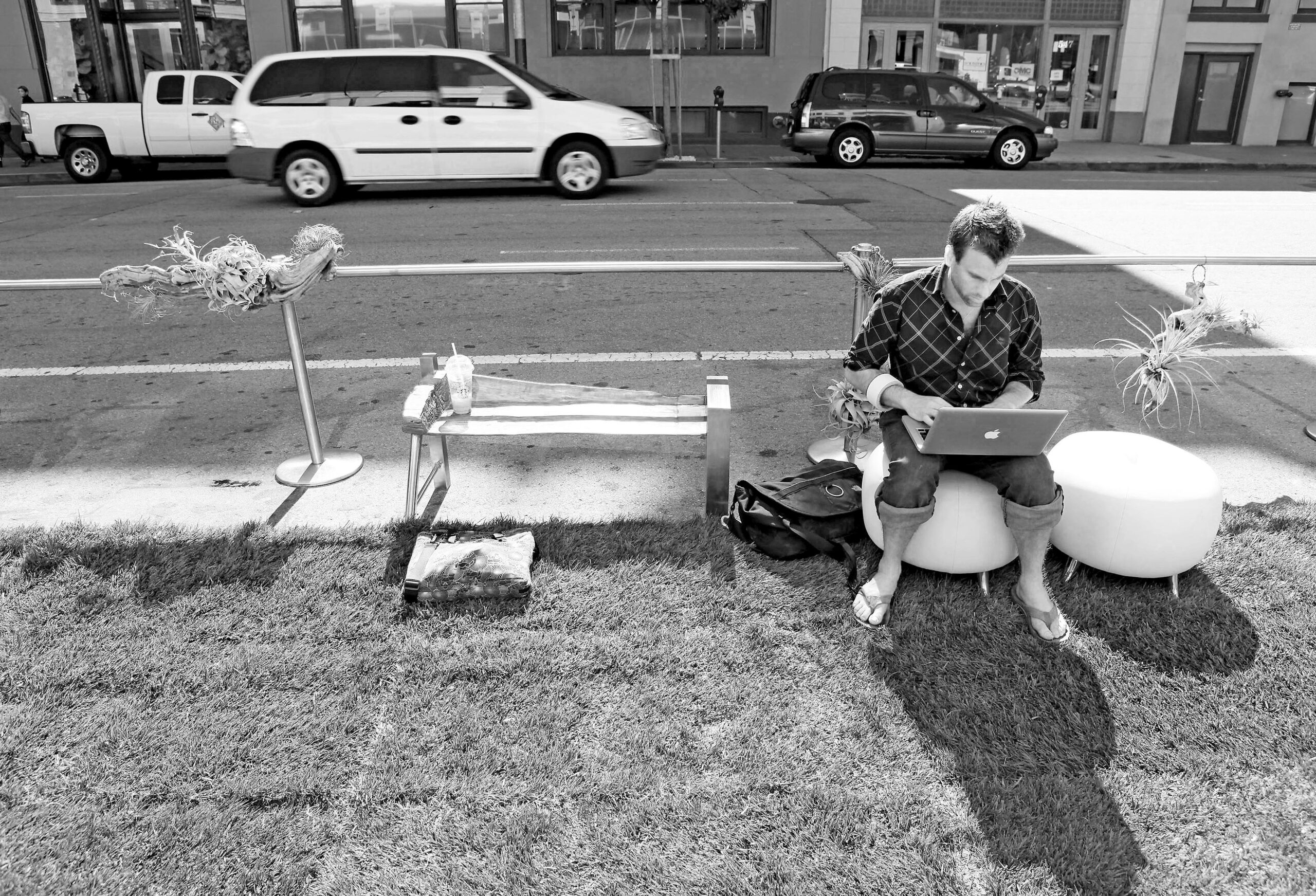
Five years ago, a San Francisco art and design studio temporarily transformed a metered parking space into a public park—complete with a potted tree, a patch of grass, and a bench—as a way to advocate for more green spaces. That peaceful protest has since sparked an international movement, with volunteers creating 700 temporary “parks” in 140 cities in 21 countries, according to the studio.
The design studio, Rebar, continues to oversee the mostly volunteer effort, providing activists with an online how-to kit with details on participating in the event, including how to avoid running afoul of local laws. Volunteers then design and stage their own local projects, which can be as simple as bringing a lawn chair and a good book to a parking spot or as elaborate as creating a scene with dozens of plants, tables, benches, and other props.
This year’s event, scheduled for September 17, is expected to exceed last year’s in number of participants, organizers say.
Rebar spends little to promote the event, but it does sell T-shirts, which feature an upside-down car sprouting grass and trees, as a way to highlight its mission and raise funds.
Local volunteers, such as Stephen Box, in Los Angeles, help coordinate the projects. Mr. Box says he has no budget and relies heavily on online word-of-mouth to stir interest.
“We’re not interested in managing money by coordinating fund raisers,” he says. “If something needs to be done, we get it done.”
In Los Angeles County, he says, for every car there are seven parking spots. His goal is to inspire public support for turning some of those spaces into public park areas.
Mr. Box says the event is all about inspiring creativity. He says some ideas involve turning parking spaces into “dog-parking” spots for pets, “Shakespeare in the parking,” and even a “poem booth.”
While the protests have contributed to some new park areas, Mr. Box says the goal is as much about shaping opinions and serving as a “catalytic force that changes the way people look at public space.”





