Covid-19 Lesson for a Grant Maker: Listening and Understanding Matters (Dispatches)

By Lisa Pilar Cowan
Contributor
April 21, 2020 | Read Time: 4 minutes
At the beginning of the Covid-19 shelter-in-place guidance, I went up and down the staircase of my 13-floor Brooklyn apartment building, slipping notes under people’s doors, assessing need, collecting offers of help, and navigating different levels of technological savvy to create and moderate an online discussion list for building residents to stay in touch with each other.
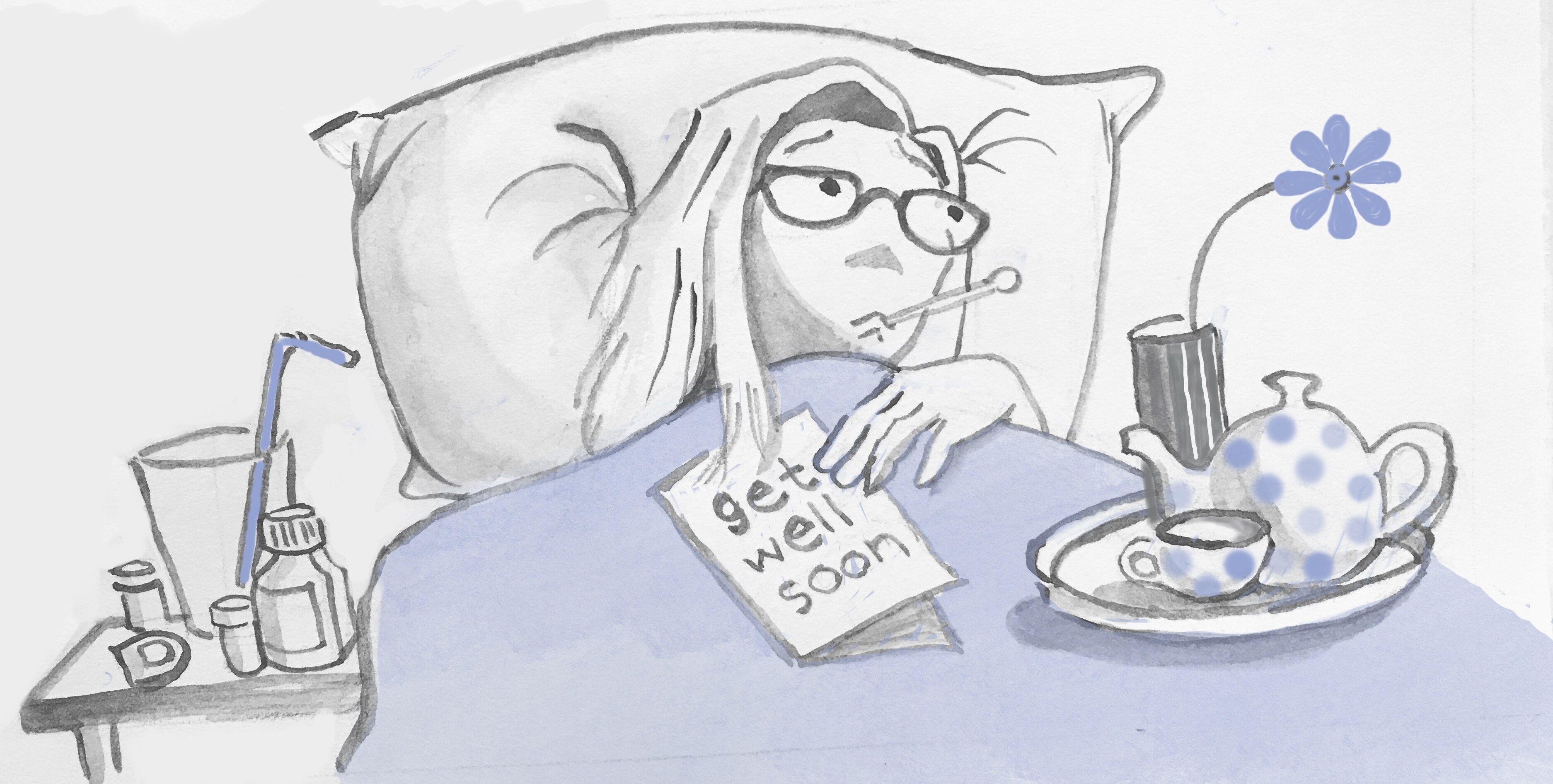
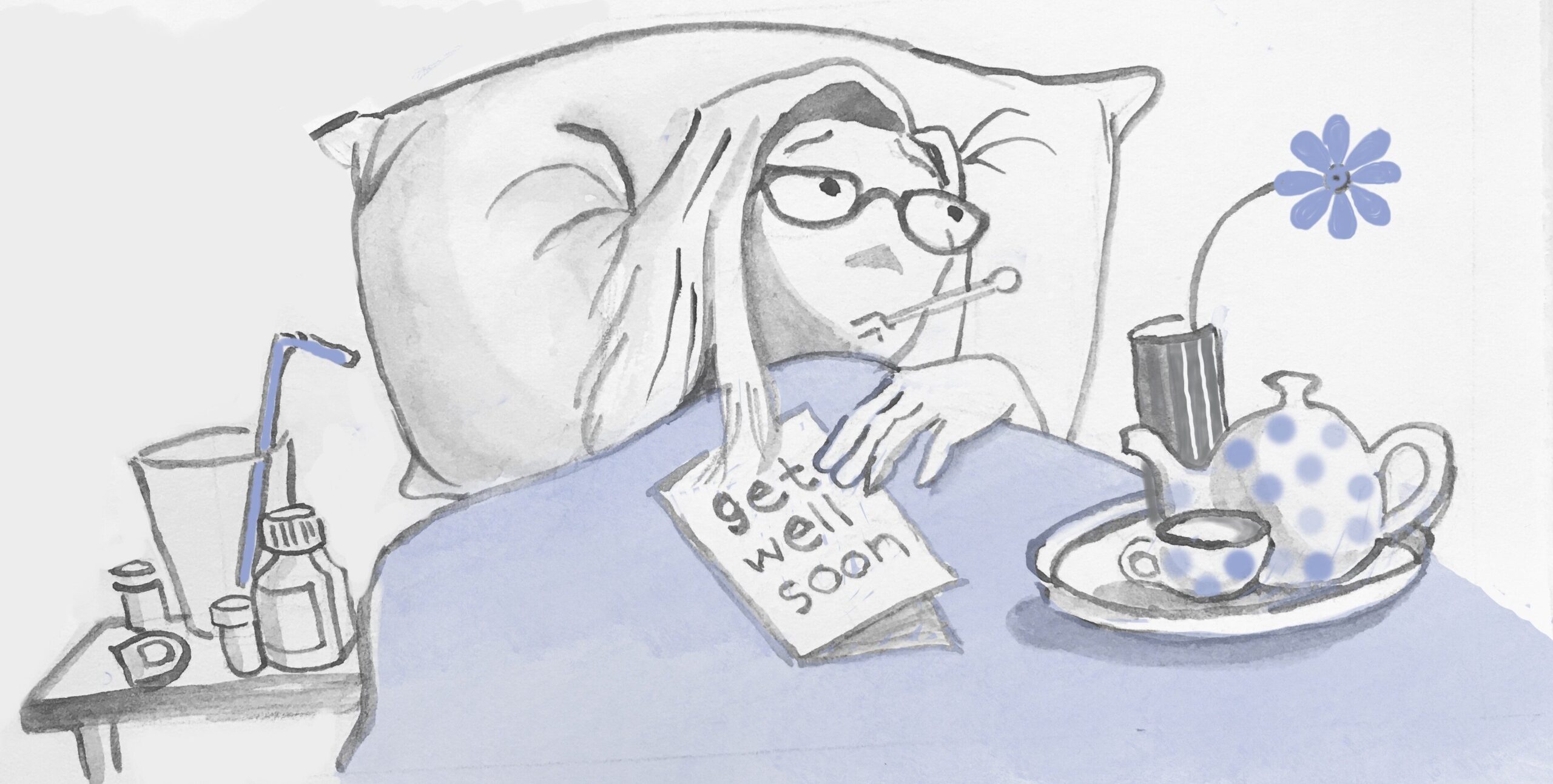
I thought of this as my civic duty, something I could do to take care of others in a time of need. Looking back, I see that doing this work also allowed me to feel strong, in control, and a little bit superior to my neighbors. But then the unexpected thing happened: I contracted a mild case of the virus, and my family couldn’t leave our apartment. I found myself using the email list of neighbors to ask for help.
That shift, from giving to asking, was profound for me. In my mind, I was never supposed to be the one who needed help. I felt an uncomfortable shift in my body as I metabolized what it meant to be on the other side of this mutual relationship.
I felt a similar shift in my body when the president of our foundation, Phil Li, and I had a conversation with one of our grantee partners this week. As we Zoomed into each other’s homes, the nonprofit leaders described the role they are playing navigating between the city, state, and 80 housing and neighborhood development institutions, communicating critical information about resident needs and neighborhood-level resources and gaps in service.
As I listened to them, I let go of any pretense I ever had that we — the people dispensing grants — were helping them, the grantees. Instead I felt grateful that they knew what to do to take care of me and my neighbors across the city.
At best, what we at the foundation are doing is holding up our end of a partnership: We provide funding so that nonprofits can use it to take care of our collective hometown.
It struck me that what we were doing as foundation officials is akin to bringing sandwiches to doctors on the front lines. Just as the people making the sandwiches do not get to dispense medical orders or make demands as a condition of their support, I did not feel qualified to dispense any kind of orders or make any demands of our grantees. Even the idea of grant makers as actors and grantees as those acted upon seems wrong. I can offer to help them think through challenges, identify other potential donors, share what is happening in philanthropy, sure. But the idea that I could tell them how best to operate? Ludicrous.
This dynamic is heightened in this moment of crisis, but is true all the time. Implicit in a relationship in which grant makers set goals and strategies for tackling big social issues is that we hold the big picture, the real knowledge, the power, and then we fund grantee partners to carry out our work. And implicit within that is the idea that people with money and power are smarter than those without. If nothing else, this moment in our history contradicts that narrative every day, both on a national scale, with our elected leaders floundering, and on a local scale, with all of us relying on our neighbors to save us.
I am almost all the way better from my bout with the virus, and I feel both a new sense of vulnerability in knowing that the virus could get me and a new sense of safety in knowing that my neighbors will take care of me and my family.
I am coming to the same place in my work: a sense of vulnerability in admitting that I really don’t know the answers (and don’t even really know the right questions) and also a sense of relief in knowing that many of the organizations we have been funding do know some of those questions and answers.
Rebuilding our philanthropic structures to mirror this understanding (and mutuality) will take some work: restructuring who makes the funding decisions, changing who sits on our boards and who works at our foundations, how the money flows, and what we do with what we learn. Those are all big tasks. But to me, these feel like tasks filled with promise and joy, both of which have been missing for me and my foundation colleagues as we have gone up and down our own staircases forgetting that the best thing we can do is listen to and trust the organizations we support.