
Foundations Can Help Use the Power of Sports to Shape Positive Behavior

By ESTA SOLER
Contributor
August 15, 2016 | Read Time: 5 minutes
Last month, the University of Tennessee agreed to pay a $2.48 million settlement to eight young women who charged that the institution doesn’t sufficiently investigate and punish student athletes accused of sexual assault. For those involved in the fight against sexual violence, it sounded like good news — except that the university did not admit wrongdoing. It simply wanted to avoid a costly and distracting legal case.
The Tennessee case looks similar to a Florida State University settlement in January with a student who reported that she was raped in 2012 by star quarterback Jameis Winston. Florida State agreed to pay the victim $950,000 to avoid additional litigation expense, but it also did not admit liability.
Let’s put aside the legal cases for a moment and acknowledge a disturbing reality. In the past year, we’ve seen:
- A Stanford University swimmer receive an alarmingly lenient six-month sentence for sexually assaulting an unconscious woman.
- High-school athletes in Idaho charged with sexually assaulting a disabled teammate.
- Two female University of Kansas student athletes accuse a football player of raping them.
- Two ex-Vanderbilt football players convicted of gang rape.
- Professional football, basketball, and baseball players involved in domestic-violence accusations and convictions.
- A new study reporting that more than half of male collegiate athletes surveyed have “coerced” partners into sex.
Time out. Given this steady stream of toxic behavior among athletes and role models, who’s thinking about the impact on America’s kids?
Everyone should be, and philanthropy must lead the way. That’s why our organizations, the Stardust Fund and Futures Without Violence, are teaming up, and encouraging other groups, to finance programs that use sports to show kids and coaches how to encourage healthy sexual relationships. Foundations can also play an important role by expanding access for all to youth-sports programs in safe and nurturing environments.
More Than a Pastime
Any parent who has driven a child to seemingly endless team practices or spent weekends catering to a team of hungry teenagers after games knows the benefits sports can provide to a child. Athletics build crucial social and emotional skills, boosts children’s self-esteem, and fosters mentoring and supportive relationships between coaches and players. Study after study has proven that sports — and the athletes, coaches, and commentators who drive it — can be an overwhelmingly positive force in our kids’ lives.
It’s also fair to say that sports in America is far more than a pastime. With 45 million children and teenagers participating in organized sports, it’s a channel for positive change like no other.
Sports has the potential to be a platform for a historic transformation — one by which we promote healthy masculinity, gender-equitable attitudes, and alternatives to violence. Coaches, schools, and parents can use sports not only to build strong character and healthy bodies but to teach athletes about relationships and respect for women and girls.
So let’s turn up the volume on a dialogue that acknowledges the power of sports to shape positive behavior and prevents domestic and sexual violence by and among athletes, from the big-league ranks down to youth sports.
The structure already exists to create a new standard for our kids: Three in four American families have at least one child involved in organized sports. If, alongside dribbling, batting, and sprinting, every team in the country used sports as a platform to teach respect for peers, alternatives to violence, and rules for sexual consent, we would see fewer Brock Turners, fewer Ray Rices, and fewer unnamed victims — whether or not they make the news.
The moment for that movement is now.
But we can’t do it alone. We’re asking other grant makers and investors to advance this work in the following ways:
Fund and expand sports-based violence-prevention programs that promote positive masculinity and have proven effective. Earlier this year, the Centers for Disease Control and Prevention published a report called “Stop SV,” which recommends strategies and proven approaches for reducing sexual violence. Recognizing the importance of mobilizing boys and men as allies, the CDC highlighted Coaching Boys Into Men, a national program supported by Futures Without Violence that provides rigorously evaluated training tools for high-school coaches to help their athletes build respectful, nonviolent relationships.
Invest in films, social media, and other efforts that focus on the potential of sports to build character and promote positive norms. Harness the power of social media to teach skills that prevent sexual violence and promote healthy sexuality, and support or fund documentaries such as Jennifer Siebel Newsom’s The Mask You Live In and Byron Hurt’s Hazing: How Badly Do You Want In?
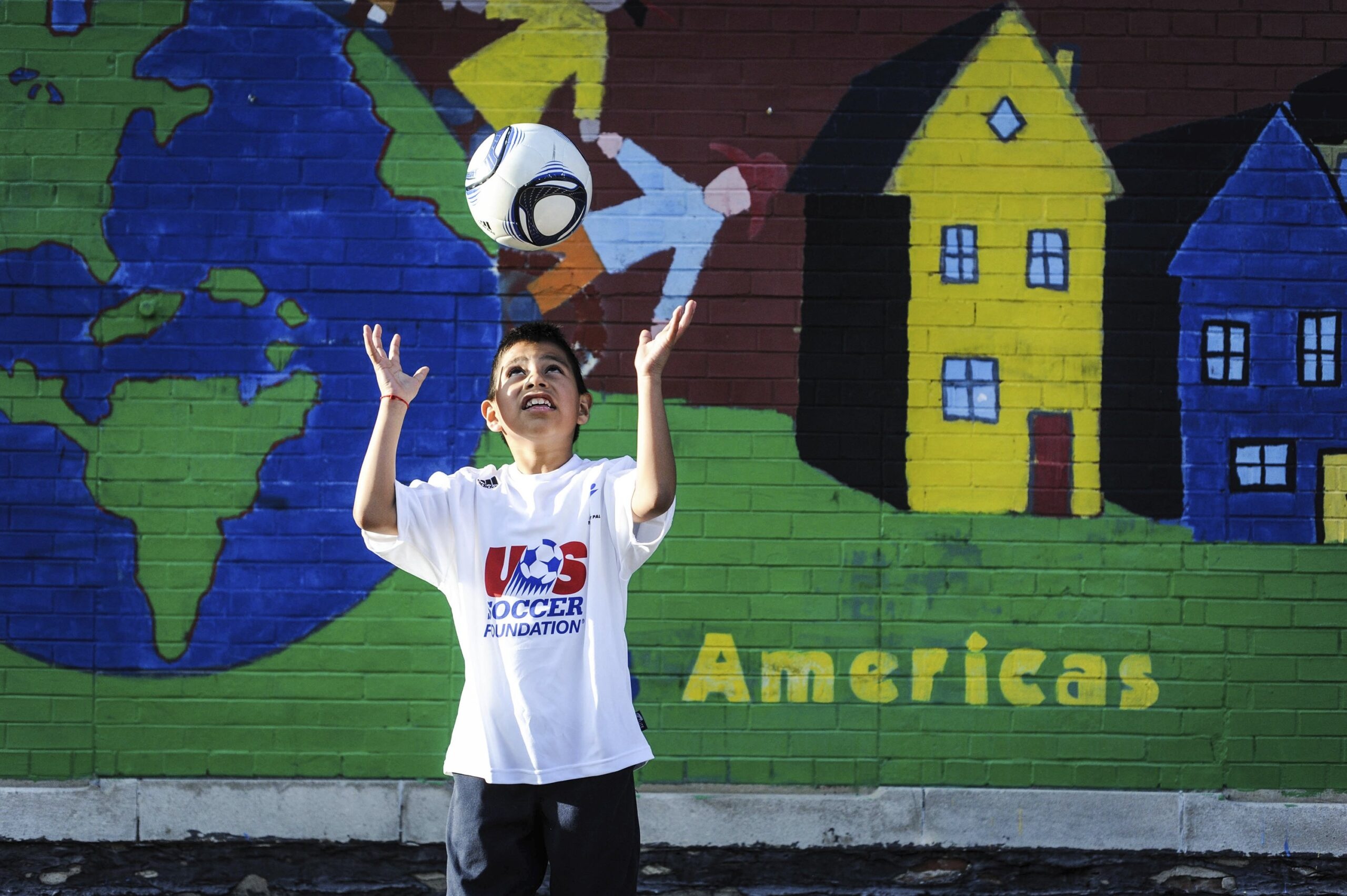
Expand and fund youth-sports programming. Support organizations and programs like Coaching Corps, the Positive Coaching Alliance, and U.S. Soccer Foundation’s Soccer for Success to give every child an opportunity to thrive in athletics, regardless of his or her neighborhood or ZIP code.
Hold the major leagues accountable. The NFL, NBA, MLB, NHL, and other major sports organizations need to establish policies that make crystal clear that they do not condone domestic violence or sexual assault among players and to carry out programs to enforce them. Keep the pressure on team owners locally and league officers nationally, and make sure they generously fund character-building programs for youths.
Through our work, we hope to signal to other grant makers and those who influence policy that the key to changing youth attitudes toward violence and sexual consent is directly connected to the coaching and mentoring they receive through sports.
All of us, from parents to coaches to superfans, must work hard to raise a respectful, inclusive next generation. It’s time for schools, leagues, sponsors, and donors to step up to the plate.
Molly Gochman founded the Stardust Fund, which invests in projects to empower socially excluded populations, particularly women and girls. Esta Soler is the founder and president of Futures Without Violence, a national nonprofit working to end domestic and sexual abuse.





