How Nonprofit Jargon Ignores Real Fears of Violence
As they battle weaponized political rhetoric, public safety advocates default to technical terms that confuse the communities they aim to protect.

By Matt Watkins
Contributor
December 16, 2025 | Read Time: 5 minutes
Public safety has become one of the most explosive language challenges in American civic life. It sits at the intersection of political rhetoric, public fear, policy debate, and everyday experience.
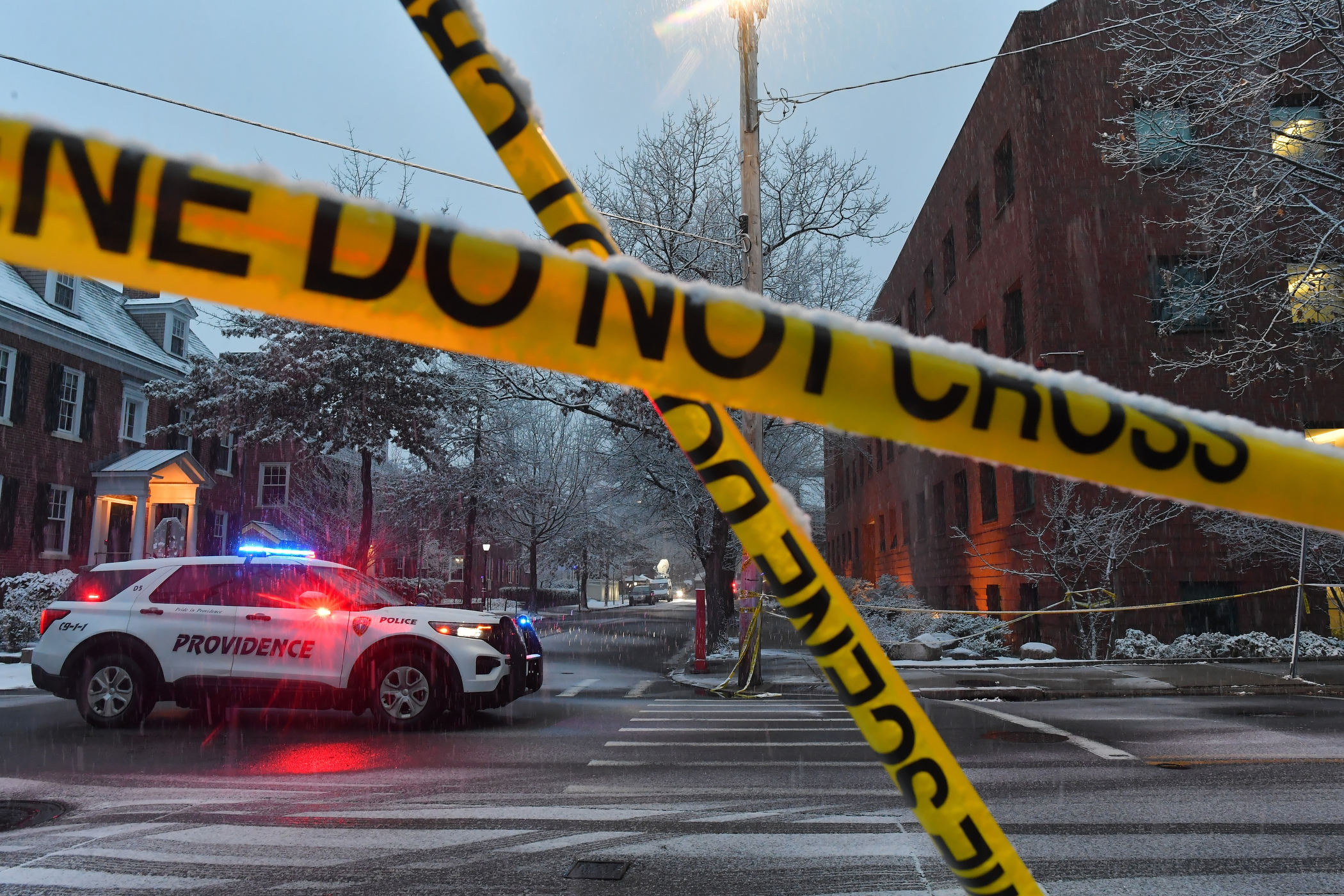
In the past year, National Guard deployments to several cities, heightened ICE activity in immigrant neighborhoods, and public confrontations between federal and local officials have pushed safety into the center of national attention. Just this past weekend, a gunman killed two people and wounded nine others at Brown University.
Each event arrives wrapped in competing narratives about danger and disorder. Each one brings language meant to clarify, yet too often deepens confusion, widens divides, and makes safety feel like a political contest instead of a shared goal.
On one end of the spectrum, politicized and blaming rhetoric depicts entire communities as threats. Leaders talk about restoring order, cracking down, or taking back control. These phrases are used to justify aggressive actions while alienating the very residents they claim to protect.
On the other end, nonprofits and public safety advocates often rely on academic or technical language that may be accurate within their discipline but are indecipherable to most people.
A shooting may be called an “interpersonal conflict” — a public health term that describes how violence often stems from disputes between individuals or small groups.
Neighborhood fear could be labeled a “legitimacy problem” — criminology-based language that focuses on whether residents trust police or civic institutions enough to feel safe or cooperate with them.
A crisis-response program may be framed as “multi-systemic coordination” — a behavioral health phrase meant to signal that mental health providers, emergency responders, police, and community organizations must work together to respond effectively.
Fear Isn’t an Abstraction
These words turn harm into academic categories and make urgent experiences sound abstract and remote. When such detached and bureaucratic language seeps into public messaging, people quickly disengage, posing challenges for public safety programs that rely on resident buy-in.
Many people in the nonprofit sector operate daily at the collision point between politicized rhetoric and professional jargon. They contend with language that casts their work as partisan. They also default to language that signals expertise internally but confuses the communities they aim to protect.
Nonprofits and funders don’t just deliver services. They act as translators in moments when fear spreads faster than facts and when public narratives spin in opposite directions. Clear communication protects people from mischaracterization and interrupts harmful rhetoric. It roots safety in shared human stakes instead of competing ideological frames.
The following guide offers seven simple alternatives to language that, from my observations, can turn public safety into a political battlefield.
1. Say “help people stay safe,” not “enhance public safety infrastructure.” People want to know whether their block, their school, and their daily routines are safer today than yesterday. Speak to the world they live in, not the systems behind it.
2. Say “stop harm before it starts,” not “address criminogenic factors.” Families talk about problems that could have been prevented if someone had stepped in early. Prevention should sound like something people can recognize in their lives.
3. Say “support people after violence,” not “strengthen trauma-informed ecosystems.” When someone has been hurt, they want a person who shows up and stays with them, not an ecosystem. Recovery starts with presence, clarity, and care. The language should match that reality.
4. Say “send the right team for the situation,” not “deploy alternative response models.” Most people can’t imagine a model, but they can imagine who will show up when things get scary. Clear language helps people picture the help they will receive and trust those who provide it.
5. Say “provide safety without jail when possible,” not “expand non-carceral pathways.” People recognize that some situations need accountability and others need support. They don’t need jargon to understand options that protect safety without unnecessary punishment. Simple language makes space for nuance.
6. Say “get help there quickly,” not “advance multi-systemic coordination.” Coordination matters behind the scenes, but speed matters to the person making the call. People want to know that help will come fast. Talk about the result, not the process.
7. Say “stand with neighborhoods,” not “stabilize high-risk zones.” No one wants their community labeled a zone. They want to know you see their neighborhood, worry about it with them, and plan to show up. Support should sound like solidarity, not classification.
Public safety is where our language most often fails us; where fear gets weaponized and the distance between what people endure and what experts and institutions say can seem impenetrable. Yet it is also the place where a single honest sentence can calm a neighborhood, open a door, or make someone feel seen at the exact moment they feel at risk of disappearing.
Public safety requires trust, and trust requires clarity. Clarity requires the courage to speak to people as they are, not as policy imagines them. When organizations choose words that carry weight and truth, they help rebuild the fragile bridge between fear and safety, between danger and dignity, between the world as it is and the world we need.
Keep up with everything happening in The Commons by signing up for our weekly newsletter. The Commons is financed in part with philanthropic support from the Arthur M. Blank Family Foundation, Einhorn Collaborative, and the Walton Family Foundation. None of our supporters have any control over or input into story selection, reporting, or editing, and they do not review articles before publication. See more about the Chronicle, the grants, how our foundation-supported journalism works, and our gift-acceptance policy.