
James Carville on Why Foundation CEOs Need to Fund a ‘Wartime Communications’ Force

By James Carville
Contributor
March 26, 2020 | Read Time: 4 minutes
The brilliant John Barry, an expert on the 1918 Spanish flu, called me a few days ago to tell me he’d just placed an op-ed in the New York Times. The piece was excellent, borrowing from history to offer advice for limiting the damage of Covid-19. But you what know I told him? “You should have plastered that on the front page of Breitbart.” Why? Because if we’re going to beat this pandemic, we’ve got to do a much better job of reaching beyond the choir.
My logic is simple: It does not matter how many New York Times readers and NPR listeners we reach. The only thing that matters is getting to the people who need to know the danger of the current moment and aren’t taking prudent steps to avoid infecting themselves and others.
We need bold foundation leaders to move immediately to stand up a familiar wartime strategy and call upon our most talented communications minds to show the same valor as the doctors and nurses fighting on the front lines. We need to enlist them to create a messaging machine — with a clear chain of command — that can reach the furthest corners of America with coherent messages about what to do and what not to do, conveyed by celebrities and leaders trusted by each of these demographic groups.
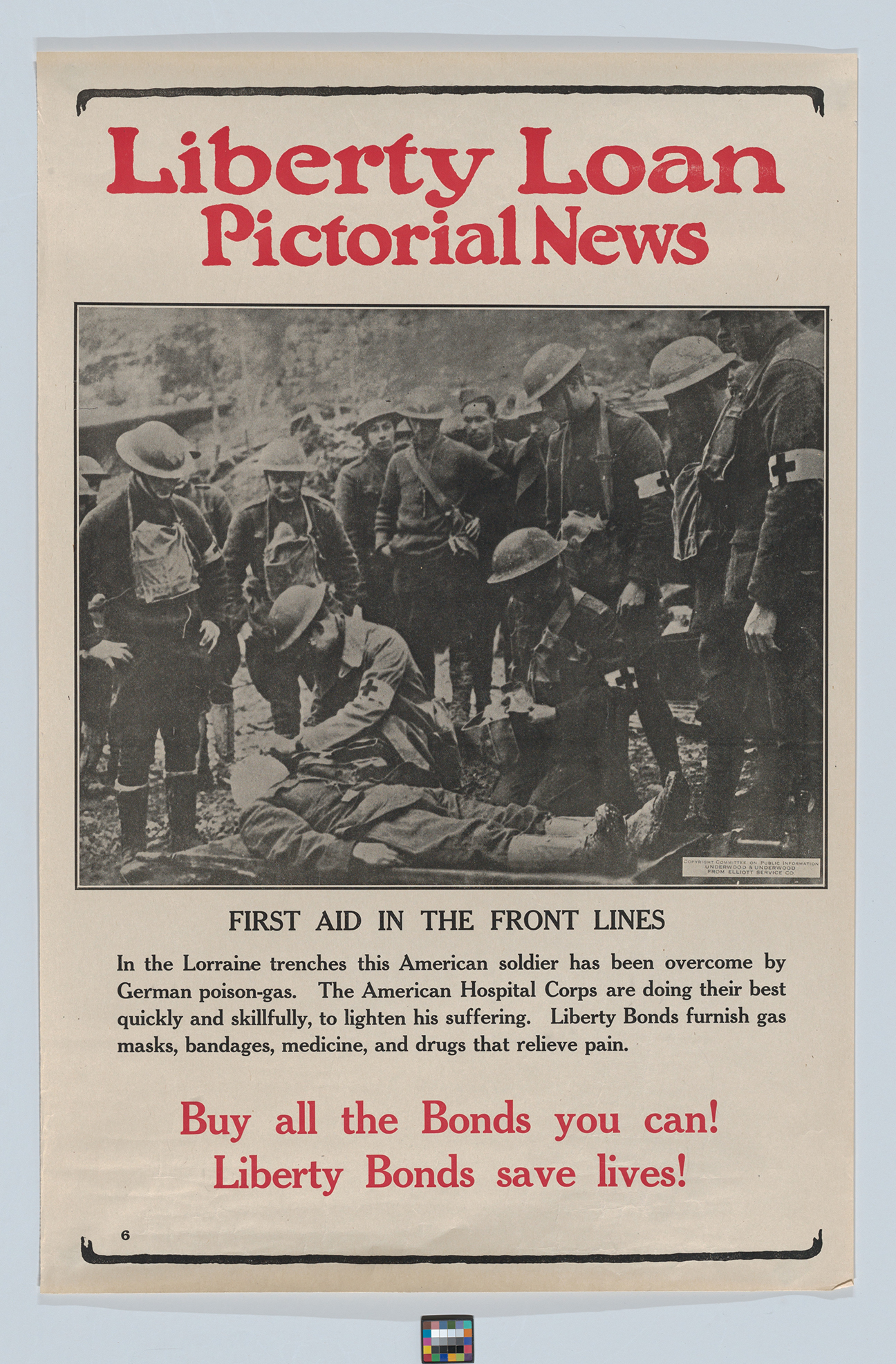
In the lead up to World War I, America created the Committee on Public Information, which quickly signed on advertising executives, university professors, commercial artists, and film producers. According to John Maxwell Hamilton, a Louisiana State University journalism professor, the committee was guilty of excesses, including the suppression of unwanted political views, but it was highly successful at promoting the purchase of war bonds, food conservation, and military enlistment.
The committee realized it was not adequate to rely only on journalists, as patriotic as most were. It was essential, said George Creel, the head of the Committee on Public Information, to change the “environment” and use “every process of stimulation.” Thanks to the committee, the Boy Scouts, immigrant leaders, traveling salesmen, and corporate titans helped get the word out. Some 75,000 community leaders became “Four Minute Men” and fanned out across the country to give speeches in movie theaters while reels were being changed.
In World War II, our country followed much the same playbook, as everyone who’s ever seen a Rosie the Riveter poster can attest.
Today we know far more about how to influence public opinion and have more sophisticated tools at our disposal. We know more about crafting messages that can resonate with every micro-slice of the population. It’s easy to test which celebrities and leaders resonate with each of these groups. And we have a vast new array of options for delivering these messages where they’re needed — not just Twitter and Snapchat but also gaming platforms and even the dark web. Just imagine what’s possible if we brought together — virtually, that is — a Dream Team made up of top leaders from Hollywood, technology, advertising, public relations, polling, and behavioral psychology.
If the White House will not summon this talent to the cause, we must turn to others to do so. That’s why I’m calling for 10 of the country’s largest foundations on the left and the right, each with expertise in health or communications, to step into the void. Don’t worry: It won’t take bundles of your cash. Mostly it will take political capital and leadership.
I’m going to call out foundation leaders by name, just to add a little peer pressure to this call to action:
- Mark Suzman, Bill & Melinda Gates Foundation
- Michael Gleba, Sarah Scaife Foundation
- Patricia Harris, Bloomberg Philanthropies
- Richard Graber, the Lynde and Harry Bradley Foundation
- Richard Besser, Robert Wood Johnson Foundation
- Brian Hooks, Charles Koch Foundation and Institute
- Robert Ross, California Endowment
- Rebekah Mercer and Robert Mercer, Mercer Family Foundation
- Cari Tuna, Good Ventures
- Drew Altman, Kaiser Family Foundation
So, what do you say, ladies and gents? We’re at war. We’ve got to crank up the communications machine. This is not a time for perfection. It’s a time for action. So let’s forget the choir and the pews and all the folks who are already listening. We need a skunkworks focused on all the rest.





