

White House photo by Pete Souza
Key Players in Fiscal Cliff Tax Issues
January 13, 2013
As Congress haggled over ways to avert the “fiscal cliff,” the White House asked nonprofits to support its efforts to raise taxes on the wealthiest Americans to counter Republican efforts to reduce the budget deficit mostly through spending cuts. Some groups agreed to make President Obama’s case to their supporters, while others chose to avoid what they feared could give a partisan taint to their efforts to prevent limits to the charitable deduction.
Mr. Obama has proposed many times to limit the tax savings that wealthy people get from itemized deductions, including gifts to charity. He argues that the current system is unfair because people in higher tax brackets get a bigger break than lower-income people. Most nonprofit leaders strongly oppose that plan.
Endorsed Obama’s Tax Plan

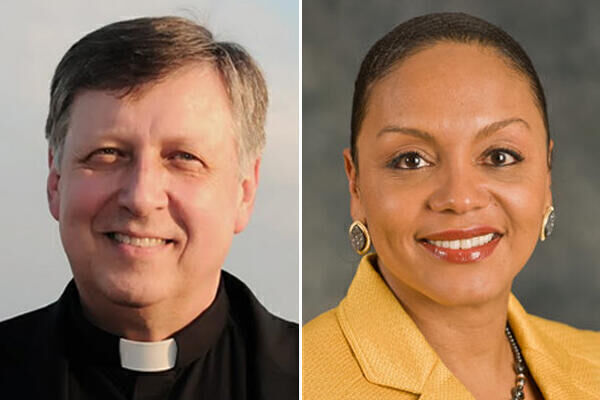
Diana Aviv
Chief executive, Independent Sector
Role: Organized a December White House meeting between nonprofit leaders and senior Obama administration staff members to advocate for preserving the charitable tax deduction. Raised money to pay for a two-page ad in Politico, a newspaper widely read by members of Congress and their staffs. Issued a statement saying Independent Sector, a large coalition of charities and foundations, supported “a modest tax increase on the 2 percent of Americans who can most afford it.”
Political background: Led Jewish Federations of North America’s public-policy work in Washington; President Obama appointed her in December 2010 to the White House Council for Community Solutions.
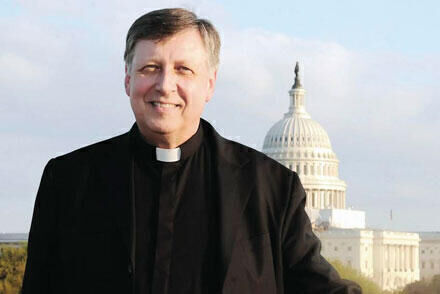
Rev. Larry Snyder
President, Catholic Charities USA
Role: Supported Independent Sector’s statement backing Obama’s tax proposal; wrote an opinion piece in the Huffington Post arguing for higher taxes.
Political background: President Obama appointed him in 2009 to the President’s Advisory Council on Faith-Based and Neighborhood Partnerships.

Jonathan Greenblatt
Director, White House Office of Social Innovation and Civic Participation
Role: Helped arrange the December meeting with nonprofits; led several conference calls with hundreds of nonprofits to garner their public support for Mr. Obama’s tax plan.
Political background: Served as an aide in President Clinton’s administration and on the Democrat’s 1992 presidential campaign.

Aaron Dorfman
Executive Director, National Committee for Responsive Philanthropy
Role: Advocated in his blog and on the Huffington Post for nonprofits to publicly support Obama’s call for higher tax rates for the wealthy rather than pushing to protect the charitable deduction; attended the December White House meeting at the administration’s invitation.
Political background: Served 15 years as a community organizer.
Did Not Endorse Obama’s Tax Plan
Charitable Giving Coalition
This group unites more than 50 nonprofit associations and other groups that are fighting proposed limits to the charitable deduction. It attracted more than 200 nonprofit leaders to a daylong lobbying effort on Capitol Hill in December. The coalition has declined to ask Congress to support higher tax rates for the wealthy as requested by the White House.
Here are some of the key actors in that group.

Jason Lee
General counsel, Association of Fundraising Professionals
Role: Manages the Charitable Giving Coalition, lobbies for the fundraising association.
Political background: Lobbyist for corporate and political clients, worked for Sen. Barbara Boxer of California and Rep. Sheila Jackson of Texas, both Democrats.

Gloria Johnson-Cusack
Executive director, Leadership 18, a group of 22 big social-service and health groups
Role: Helped rally nonprofit leaders before they began their Congressional meetings at the December lobby day. Coordinates the advocacy of her members, the chief executives of some of the nation’s largest charities.
Political background: Directed Congressional relations at the Peace Corps, promoted national service as an aide to President Clinton, worked for Rep. Eleanor Holmes Norton, Democrat of the District of Columbia, and Sen. Al Gore, Democrat of Tennessee.

William Daroff
Vice president for public policy, Jewish Federations of North America
Steven Woolf
Senior tax policy counsel, Jewish Federations of North America
Roles: Mr. Daroff (pictured) testified in Congress in April on other charitable-tax issues and wrote a Huffington Post blog item opposing limits to the charitable deduction.
Mr. Woolf, a tax-policy expert, attended the December White House meeting and is the federation’s chief Washington advocate.
Political background: Mr. Daroff was director of Congressional affairs at the Republican Jewish Coalition and worked on the campaigns of Republican presidential candidates George H.W. Bush, Bob Dole, and Jack Kemp.
Mr. Woolf represented accounting clients before Congress, the Internal Revenue Service, and the Treasury Department.

Sue Santa
Former senior vice president of public policy, Philanthropy Roundtable
Sandra Swirski
Executive director, Alliance for Charitable Reform, the Roundtable’s lobbying arm
Roles: Ms. Santa (pictured) writes and speaks often about threats to the charitable deduction.
Ms. Swirski helped build the Charitable Giving Coalition, and her group offers regular updates on proposed limits to the charitable deduction.
Political background: Ms. Santa worked for the lobbying firm Verner, Liipfert, Bernhard, McPherson, and Hand; and for Sen. Jeff Bingaman, Democrat of New Mexico. She moved last week to a job as senior vice president for public policy at the Council on Foundations.
Ms. Swirski co-founded the lobbying firm Urban Swirski & Associates, lobbied for Mobil Corporation, and worked for Republican Sens. Jack Danforth of Missouri and Alan Simpson of Wyoming.

Steve Taylor
Senior vice president for public policy, United Way Worldwide
Role: Helped lead the December nonprofit lobby day on Capitol Hill with Stacey Stewart, president of United Way USA; frequently briefed nonprofits on developments in Congress; has helped rally United Ways across nation in unified opposition since 2009.
Political background: Worked for four U.S. senators, including Sen. Chuck Hagel, Republican of Nebraska, and served as senior counsel on a Senate Judiciary subcommittee.
National Council of Nonprofits
The council, which represents more than 25,000 groups that are members of state nonprofit associations, has waged a battle against deep spending cuts as well as against limits to the charitable deduction. It rejected White House entreaties to support higher taxes on the wealthy, declining to get involved in what it considered partisan politics.

Tim Delaney
Chief executive, National Council of Nonprofits

David L. Thompson
Vice president for public policy, National Council of Nonprofits
Role: Mobilized the council’s members nationwide to contact their members of Congress to ensure “fiscal cliff” negotiations did not hurt nonprofits.
Political background: Mr. Delaney was Arizona’s solicitor general and chief deputy attorney general and a national training fellow at the Center for Lobbying in the Public Interest.
Mr. Thompson was director of government affairs at Independent Sector and a staff member for the Senate Health, Education, Labor, and Pensions Committee.




