

June 18, 2009 | Read Time: 5 minutes
Bill Gates meets Indiana Jones.
That, more or less, is the premise behind The Philanthropist, an eight-part television series that joins NBC’s summer line-up this month. In the pilot episode, a billionaire playboy turned humanitarian named Teddy Rist (played by the handsome British actor James Purefoy) battles corrupt government officials, drug dealers, gun-toting rebels, tse-tse flies, poisonous snakes, and jungle underbrush to deliver a supply of cholera vaccine to a health clinic in rural Nigeria. He even gets to spend a night under the stars with its Harvard-educated medical director (portrayed by Bonnie Henna, a beautiful South African actress).
Typical Hollywood fare, one might think, meant to be more entertaining than factual. Although the director of Mr. Rist’s corporate foundation will be a recurring character in the series (played by the Canadian film star Neve Campbell), none of the bureaucracy, let alone any of the doubts about what to do that often accompany grant making in Africa and elsewhere, are much in evidence. NBC’s philanthropist not only knows exactly what he wants to accomplish but also does not hesitate to do it himself, regardless of the obstacles in his path. No proposals, no due diligence, and no worries about what Sen. Charles Grassley, a fierce philanthropy critic on Capitol Hill, might think ever get in Mr. Rist’s way.
This is quite a turnabout from popular entertainment’s usual portrayal of philanthropists as well-meaning but boring and meddlesome do-gooders, whose efforts often wind up being self-serving or harmful. However, an image makeover for philanthropy may be under way.
Coincidentally, just as the NBC series is starting, a Broadway play reflecting the traditional view and also entitled The Philanthropist, will be concluding its run. Written by Christopher Hampton in 1970 and revived by the nonprofit Roundabout Theater Company, its central character is a scholar named Philip, who cannot help but try to be nice to everyone. His generous nature leads to a series of complications, including a suicide and the break-up of his relationship with his girlfriend. In the end, this philanthropist realizes he has been living “a full life but an empty one.”
In 2000, Hollywood sought to portray the spirit of giving in a movie called Pay It Forward, featuring Kevin Spacey and Helen Hunt. It revolved around the efforts of a young boy named Trevor to encourage the people he meets to repay the help they received by doing good deeds for others, with the ultimate goal of making the world a better place. Initially, he succeeds, inspiring his alcoholic mother, a troubled teacher, a homeless man, and others to live differently. But Trevor carries his helpfulness too far and is stabbed to death while trying to assist a friend being attacked by bullies.
That no good deed goes unpunished has been a familiar theme in many popular treatments of philanthropy. In the 1950s, for example, a television series called The Millionaire featured a benefactor — “John Beresford Tipton” — who delighted in anonymously giving million-dollar gifts to unsuspecting people facing a crossroads in their lives. Sometimes the money proved to be helpful, but often it led to additional problems, leaving the recipients no better off than they were previously.
Andrew Undershaft, the armaments manufacturer in George Bernard Shaw’s play Major Barbara, exemplifies another common characterization of philanthropists in entertainment, as evildoers looking to salvage their reputations by doing good. And Mrs. Jellyby, in Charles Dickens’s novel Bleak House, reflects one more, the “telescopic philanthropist,” who is more concerned about improving conditions in far-off “Borrioboola-Gha” than in taking care of her own family.
Yet, for all the skepticism novels, plays, movies, and television shows have directed toward donors, a new image seems to be emerging: the philanthropist as hero. Not only does this summer’s NBC series embody it, but so did a “reality” show that aired last year on Fox (and before that, in Britain), The Secret Millionaire. In each episode, wealthy people disguised themselves and visited low-income neighborhoods, learning about life among the poor and, eventually, writing a check of at least $100,000 to deal with the problems they encountered.
Many depictions of social entrepreneurs emphasize bravery, persistence, and other personal qualities that lead them to successfully tackle social problems thought to be intractable. (Robert Redford’s public television series on social entrepreneurs was even titled The New Heroes.) And the high-profile involvement of celebrities such as Bill Clinton, Bono, and Oprah Winfrey has provided increased visibility for extraordinary efforts by donors and volunteers — especially in developing countries — as well.
Indeed, there may be more than a bit of reality behind this new image. A growing number of people are embracing do-it-yourself philanthropy, instead of the more remote, hands-off styles that might have been favored in the past. The rise of “voluntourism,” which combines vacations to exotic locales with service projects to deal with local problems, enables even those without billion-dollar fortunes to help.
As personal philanthropy becomes more fashionable, it is hardly surprising that Hollywood and others who appeal to public tastes will portray it in a better light.
In addition, philanthropy remains one of the last places — the military is perhaps another — where heroic achievements seem possible. Long before the current economic downturn, the notion that business leaders could reshape the world had been put to rest. And notwithstanding Barack Obama’s charisma, American government is not likely to be confused again with Camelot any time soon.
Yet, the idea that a person with enough money and determination could conquer the world’s deadliest diseases (as Bill Gates says he wants to do) is still seen as not just feasible, but even inspiring.
Of course, it may not be possible. And exaggerating what philanthropy, especially of the more personalized kind, can accomplish is risky, potentially leading to a backlash built upon frustrated expectations.
But despite its fanciful aspects, the fact that a new television series makes a philanthropist into a hero suggests that amid all its current economic woes, giving is becoming “cool.”
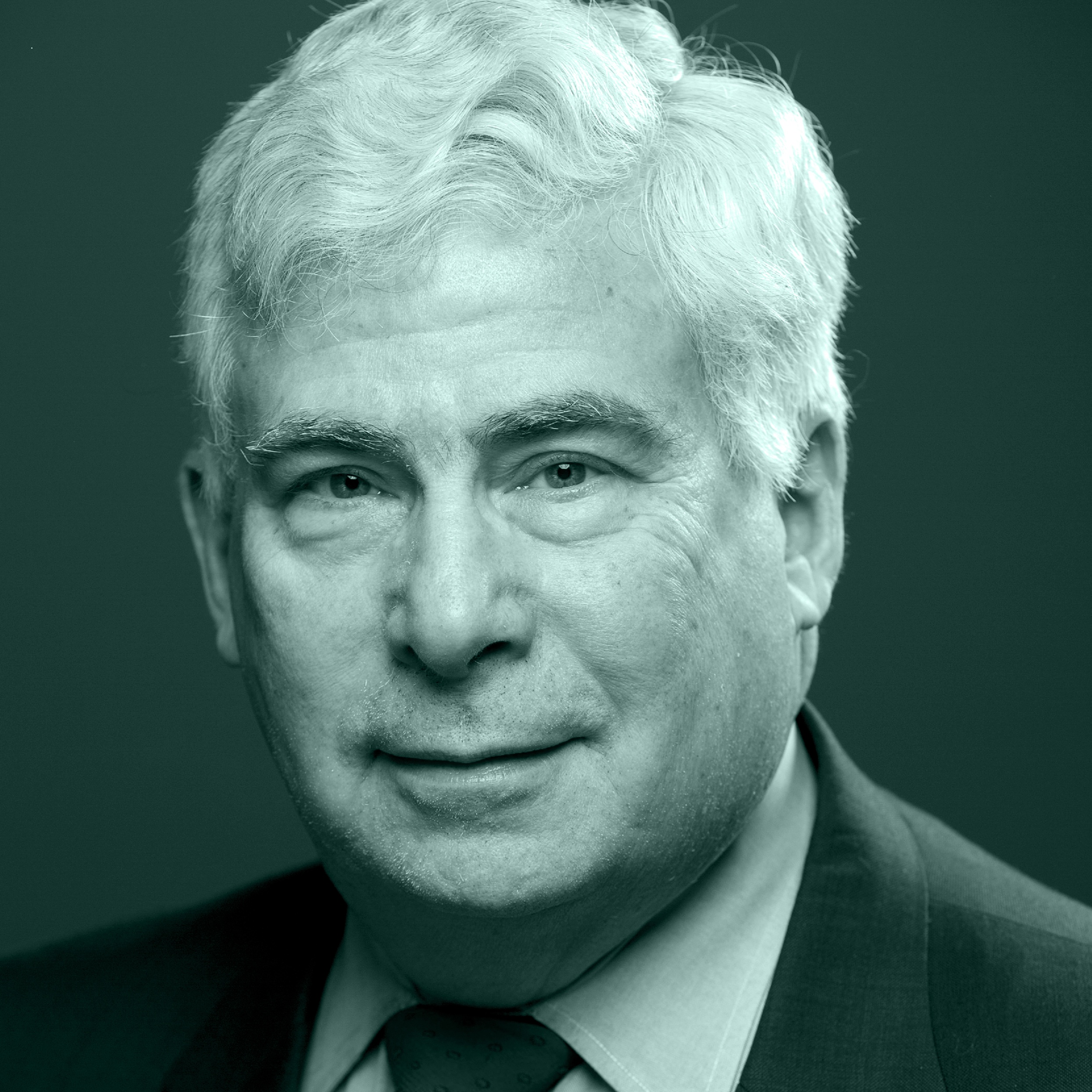
Leslie Lenkowsky is professor of public affairs and philanthropic studies at the Center on Philanthropy at Indiana University and a regular contributor to these pages. His e-mail address is llenkows@iupui.edu.





