
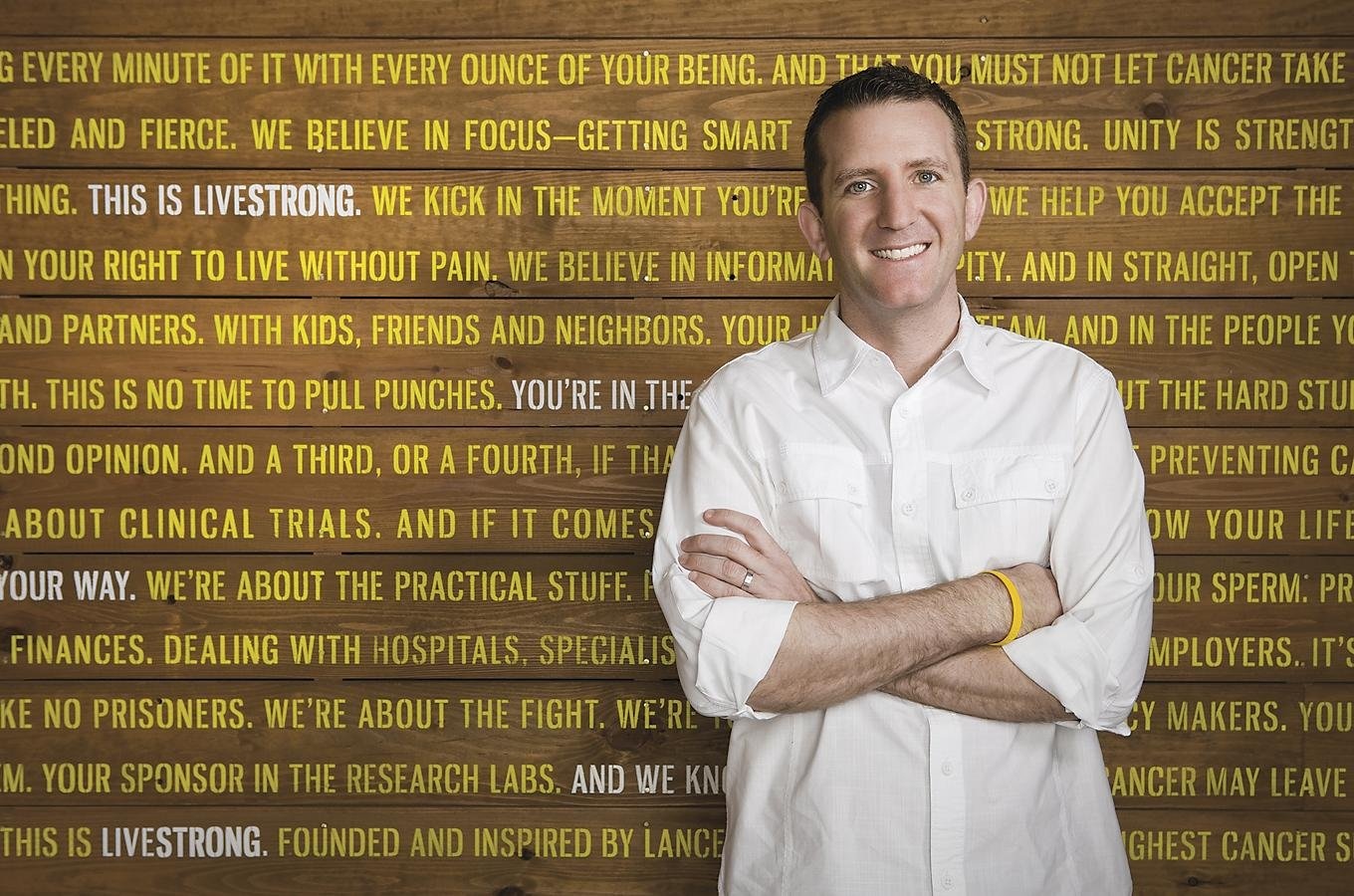
After the Scandal, Livestrong Works to Rebuild Trust and Put the Spotlight on Cancer Patients
The organization is making personal visits to many supporters and getting employees directly involved in building a new future for the group.

By Doug Donovan
Contributor

Enlightened Africans Are Working to Spread the Continent’s Uneven Prosperity
The continent’s entrepreneurs, donors, and government leaders are using philanthropy to spur growth.
By Jane Wales
Contributor
Opinion: Corporations Get Stingier as Profits Rise
Corporate contributions to charities as a percentage of pretax profits have steadily diminished over the past 30 years, writes Ken Stern in an opinion piece in Slate.
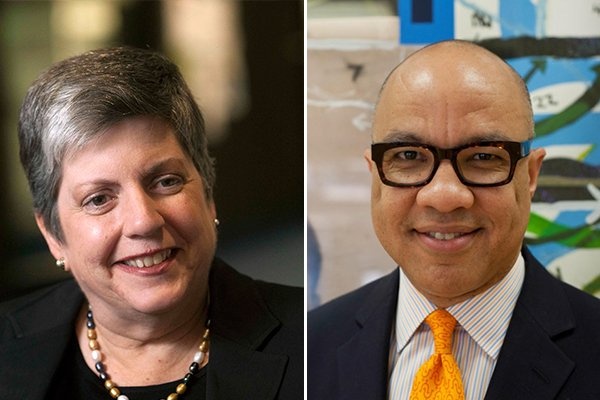
The Best Candidates for Foundation Leadership Often Come From Within
Philanthropies have come to accept the appointment of outsiders as the norm, but the challenges they face today require people who know how grant making works.
By James Canales
Contributor

Helping the Poor Is No Longer a Priority for Today’s Nonprofits
A sign of the lack of concern came as few charities or foundations did anything to oppose the attempt in the House of Representatives to abolish food stamps.
By PABLO EISENBERG
Contributor

How Charities Can Get $35-Billion a Year for Social Needs
Nonprofits should join a push to impose a small tax on Wall Street transactions to pay for federal programs to serve the poor.
By MARK ROSENMAN
Contributor
Responding to Peter Buffett: What Philanthropy Experts Say
An attack from the son of Warren Buffett prompts some to say he lacks undertanding of economic and poverty, while other say he is blaming donors for problems caused by others.
Peter Buffett Is Right to Call for Philanthropic Change
The son of Warren Buffett offers a misguided critique of the nonprofit world but he makes important points about its tendency to idealize markets.
By PHIL BUCHANAN
Contributor

Businesses With a Social Conscience Reach a Tipping Point
Delaware, home to half of all public companies, is adopting a law today to allow social-benefit corporations like Vermont’s King Arthur Flour.
By Phillip Henderson
Contributor
Opinion: Peter Buffett on What Giving by the Rich Doesn’t Do
The philanthropist and son of Warren Buffett writes in a highly critical New York Times column about the limits of what he calls “conscience laundering” by the very wealthy, which aims to address particular health or social problems without tackling the global economic inequality that underpins them.