

Expensive Fundraising Conferences Perpetuate Inequity. It’s Time for a New Approach.
Small nonprofits, especially those that serve people of color, are routinely shut out of pricey fundraising events. As a result, they have fewer opportunities to learn new skills that would help their organizations grow.

By Armando Enrique Zumaya
Contributor
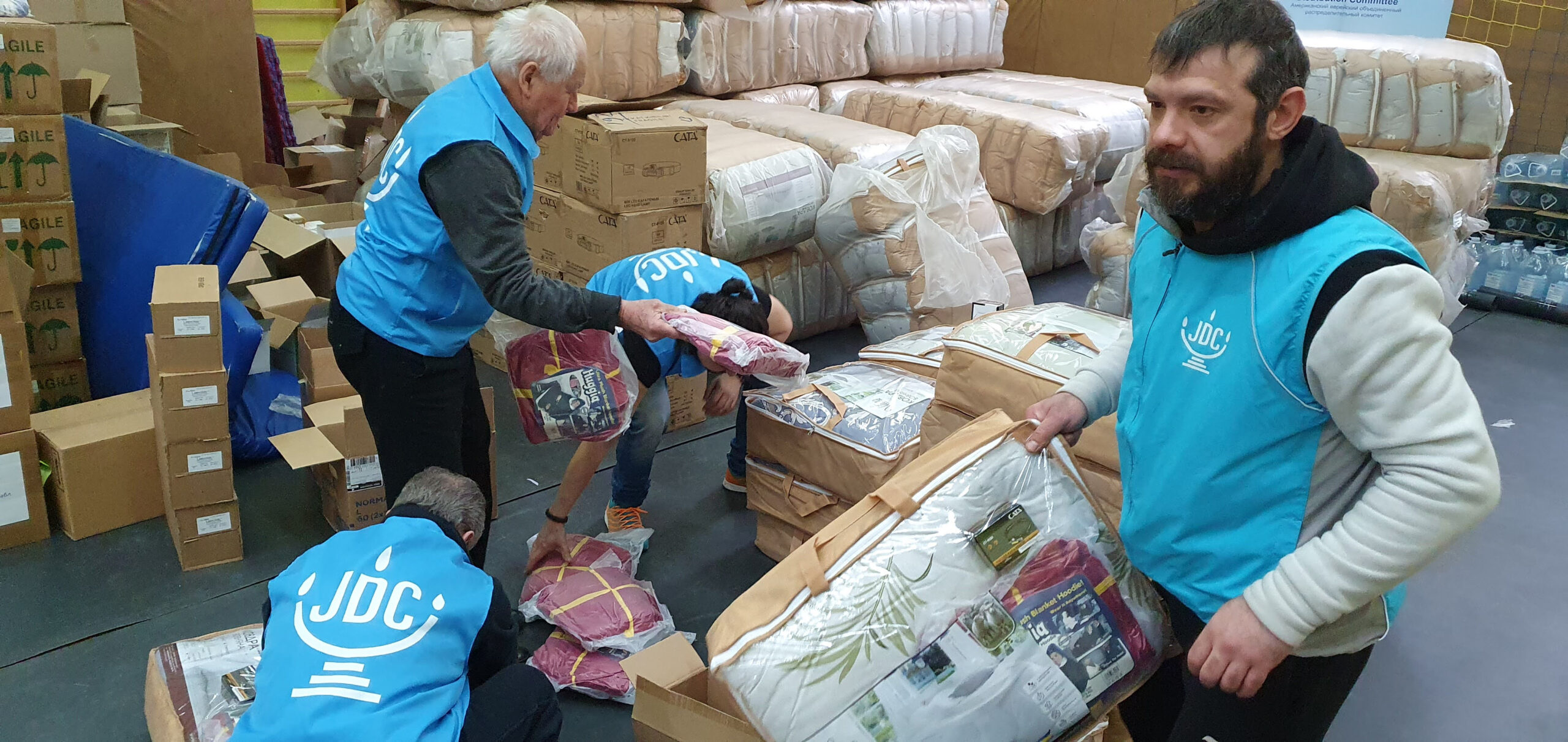
To Get Life-Saving Items to Ukraine, We Created Our Own Supply Chain
Nonprofit aid organizations need to consider more creative approaches to addressing the growing humanitarian toll of the war in Ukraine, including how to get food, medicine, and other critical goods to those who are struggling to survive.
By Ariel Zwang
Contributor

Gates Foundation Should Match Its Massive Global Giving With a Massive Commitment to Accountability
Despite pledging billions to help communities around the world, the Gates Foundation has no formal mechanism for tracking the potential environmental and social harms of their investments. Such accountability systems are critical to effective philanthropy.
By Stephanie Amoako and Gregory Berry

As Threats to Abortion Access Grow, Emergency Philanthropic Funding Isn’t Nearly Enough
A new collaborative effort in New Mexico among nonprofits, philanthropy, and government is showing what effective responses to the reproductive health care crisis can look like.
By Judy Wright and Charlene Bencomo

Trust in Science Has Eroded Since the Pandemic Began. How Should Philanthropy Respond?
Both historical mistreatment of people of color and widespread misinformation have diminished confidence in medical science. Grant makers can foster a culture that acknowledges and addresses science’s imperfections.
By Elizabeth Christopherson and Sam Gill

Want to Help Communities Thrive? Invest in Residents Eager to Disrupt the Status Quo.
A Wisconsin area known as the Fox Cities is showing what’s possible when individuals are given the support needed to bridge divides and work together to create healthy and hopeful communities.
By Bobby Milstein
Contributor

A Set of Ethical Principles Can Help Philanthropy Regain Public Trust in the Field
With the release this week of guidelines for building trust in the philanthropic world, the head of the Council on Foundations is calling on grant makers to hold each other accountable for maintaining high ethical standards.
By Kathleen Enright
Contributor

Volunteers Can Teach the Professionals a Lot About Raising Money — if They Let Them
As donors themselves, volunteer fundraisers understand what makes potential donors tick — and often in ways the professionals don’t. Greater respect for their skills and increased collaboration with development staff are sorely needed.

Advancing Health Equity Should Include Supporting Those Living With Rare Diseases
More than 25 million Americans suffer from rare diseases, yet research and advocacy to combat these illnesses receive limited philanthropic support. Grant makers have an obligation to make addressing rare diseases part of their efforts to ensure that everyone has access to care.
By Peter L. Saltonstall
Contributor

As in other conflicts around the globe, sustaining donor interest in the war in Ukraine is an ongoing battle. But grant makers can have a lasting impact if they focus on building strong, stable, and peaceful societies.
By Alexandra Toma
Contributor