
Patience and a Tolerance for Risk Are Essential for Public-Policy Donors

By Karl Zinsmeister
Contributor
May 22, 2015 | Read Time: 5 minutes
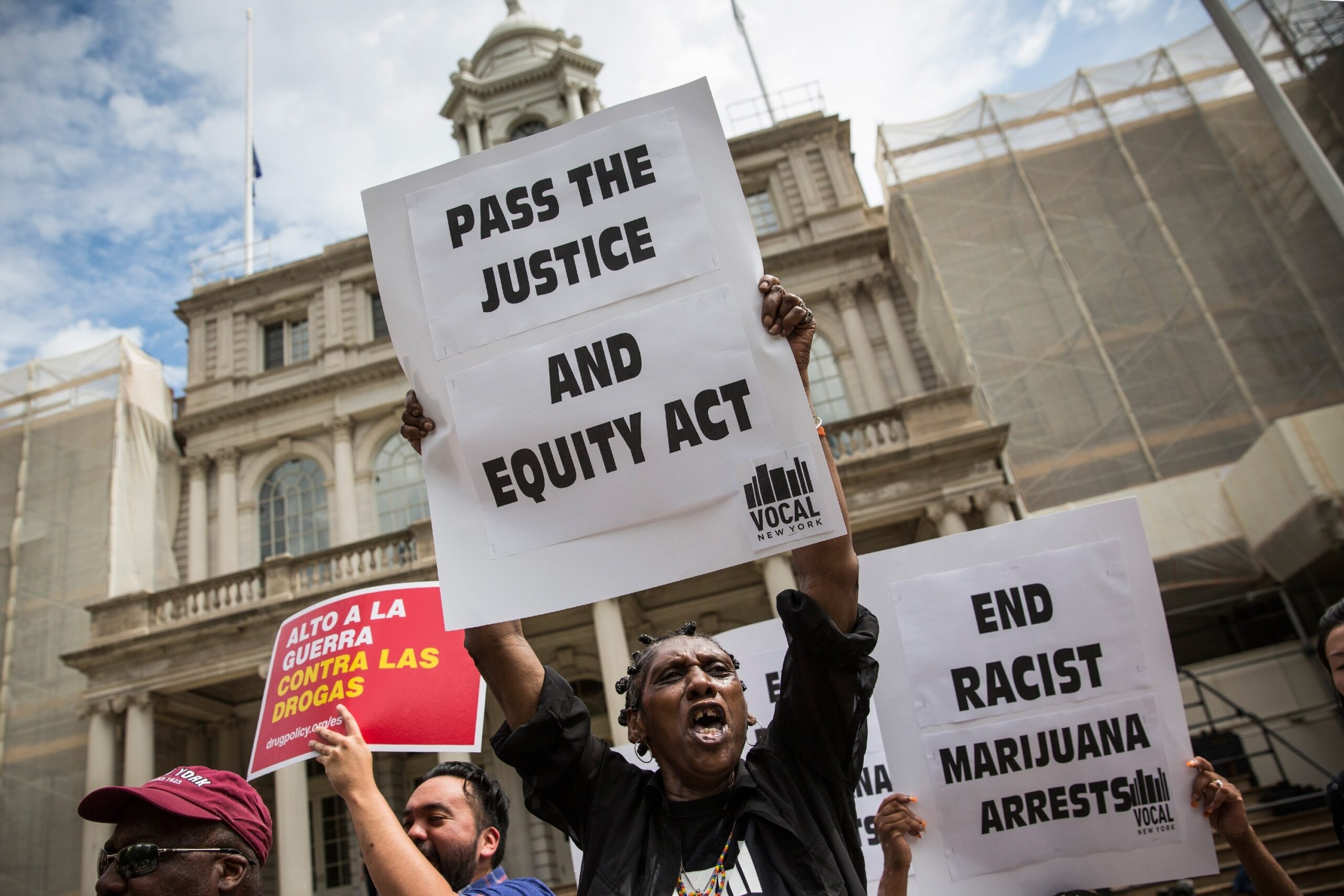
Over the last decade, philanthropists have grown more interested in shaping government policy. In areas as different as charter schools, marijuana legalization, and pension reform, donors have been crucial in changing public views and, in turn, law.
Sometimes it is not enough to pay for a scholarship; one must change laws so that high-quality alternative schools exist to benefit scholarship recipients. Sometimes it is not enough to pay for medical research; donors must encourage more sensible regulations that allow labs to bring important medicines to market quickly and economically.
Greater interest in public policy is inevitable, given the mushrooming presence of government in our lives. In 1930, just 12 percent of U.S. GDP was consumed by government; by 2012 that had tripled to 36 percent. Unless and until that expansion of the state reverses, it is unrealistic to expect philanthropy to stop trying to have a say in the rules set for society.
Donors who want to influence policy, however, will find it challenging. Investments in other types of philanthropy more often deliver clear results: construction projects yield new museums, mentoring programs lead to college degrees. Attempting to draw straight lines between acts of philanthropy and particular policy outcomes, however, can be a maddening chore.
Policy reform involves fundamental questions about individual freedom and responsibility, the scope of the state and social control, and interpretations of human nature. Public-policy philanthropy has special ways of mystifying and frustrating donors and nonprofits involved in such work.
Moreover, public-policy struggles never seem to end. Victories one year become defeats the next, then turn into comebacks, and setbacks, and on and on. When one is seeking to nudge public opinion and law, satisfaction often requires Zen-like patience.
Where can philanthropists turn for help?
A lesson from many walks of life, from picking stocks to scouting baseball players, is that one of the most reliable ways to predict future performance is to study past results. Contemporary philanthropists who want to nudge public policy would be wise, therefore, to study the examples of donors who came before them.
In a new book just released by The Philanthropy Roundtable, we examined 107 philanthropic efforts to influence public policy. We looked at efforts starting before the Civil War and focused on the explosion of public-policy activities in the latest generation. We supplemented our review of the historical record with interviews with dozens of key players in public-policy philanthropy who have pursued all kinds of causes, from every manner of political perspective.
From this we drew many lessons for donors, including these:
Understand that it may take a long time to succeed. George Soros and Peter Lewis poured at least $140 million into marijuana legalization over two decades before the first state legalized recreational usage.
Cultivate new leaders. The Federalist Society used grants from the Olin Foundation and others to help a few talented law students organize; today, the society has 60,000 members and holds 1,500 speaker events at law schools every year.
Build on fresh ideas. Donors subsidized dramatic new research and ground-breaking books that yielded the welfare reform signed by Bill Clinton.
Form coalitions. Abolitionists and temperance advocates were never more than a minority of the U.S. population, but they secured their causes by appealing to women, religious persons, and everyday citizens put off by high-profile abuses.
Be ready to support elected officials who make tough decisions. School reformers discovered over the last decade that charter schools and choice and other innovations could only take hold if they simultaneously funded (c)(4) advocacy groups and PAC contributions to protect the (c)(3) nonprofit work they were doing.
Establish new nonprofits when necessary. From the Brookings Institution to Texans for Lawsuit Reform, when old groups flounder, smart donors set up new groups that operate in different ways.
Work through courts as well as legislatures. Like it or not, that’s where much of our public policy has been coming from for the last two generations. Donors have been funding public-interest legal challenges since the 1960s.
Give time and leadership as well as money. When Louis Schweitzer became concerned about capricious rules on bail in New York City, he didn’t just give money to make the case for more scientific guidelines. He hired the lead researcher, called the mayor and judge friends to get his evidence heard, set up a nonprofit, and personally led the way to reform.
Act locally to influence nationally. It was a decade of hard-won, donor-funded success in Milwaukee that opened the door for today’s school-reform movement.
In its highest-octane versions today, policy philanthropy is sometimes combined with political contributions. Political giving, of course, is not tax-deductible and must be done separately from charitable giving. But many individual donors say they now view a careful mix of charitable contributions, advocacy grants, and PAC campaign spending as a necessary part of their efforts to improve lives directly.
Mind you, nearly all donors give away far more money on the charitable side than they do on the policy or politics sides. “Charitable Giving Dwarfs Political Donations by America’s Most-Generous Philanthropists” was the headline The Chronicle used when it published an analysis of top donors in the last presidential cycle. Even among the very top givers to political campaigns — people like Sheldon Adelson and Jon Stryker — dollars given to charitable causes outweighed dollars given to political causes by anywhere from 4 to 1 to 430 to 1.
Nonetheless, when a donor becomes involved in public-policy giving, people who operate from different first principles may choose to view them as an outright enemy. This was true long before there were Kochs or Soroses in the arena. When a donor gets involved in public policy, he or she must have a thick skin. And a tolerance for risk.
The Tappan brothers were America’s first large-scale public-policy philanthropists. Their campaign to abolish slavery took 35 years to bear fruit. And in the meantime, they were routinely vilified. Both of the brothers had their businesses and homes sacked and burned and their personal belongings dragged into New York streets while leading citizens looked on. They were mailed nooses, body parts, and death threats. Yet they persevered.
And ultimately, they won their cause.





