
Philanthropy Must Stand Up for Minneapolis — and Our Country
Call out excessive force. Share resources. Tell the truth. Minneapolis is only the tip of the iceberg.

By Tonya Allen
Contributor
January 22, 2026 | Read Time: 6 minutes
Note: This piece was updated after the death of Alex Pretti.
Throughout this past year, leaders in philanthropy have wrestled with questions about how best to respond to the nearly daily threats to our democracy — and to outright attacks on how we treat one another with dignity.
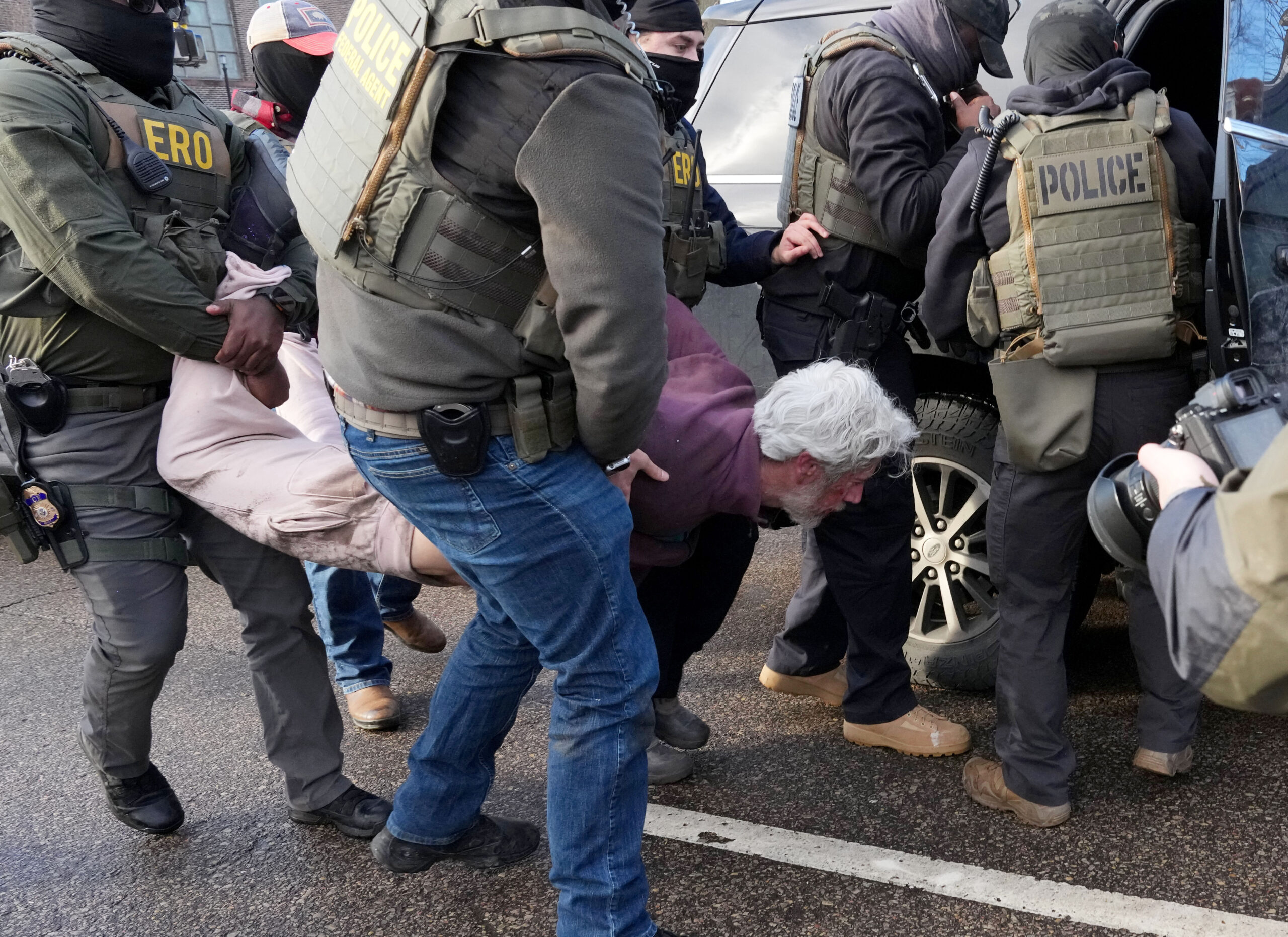
As the head of a foundation based in Minnesota, I have seen firsthand heartbreaking and horrifying actions by federal agents who are supposed to protect us from harm. Our community has lost two innocent souls because of the chaotic and confrontational conditions these immigration agents have created. Alex Pretti was an ICU nurse caring for critically ill veterans who had served our nation; Renee Good was a mom of three in an SUV. Neither of them deserved their tragic fates. We hold them both — along with their families, friends, and all who yearn for justice, decency, and peace — close in our hearts and deep in our prayers.
The night before Alex’s murder, tens of thousands of Minnesotans took peacefully and patriotically to our frigid, subzero streets for a Day of Truth and Freedom. We demonstrated pure love for our neighbors and our democracy. We showed America what it means to be American. The nation’s eyes are upon us, and Minnesotans are showing everyone how to lead with courage, care, and conviction.
Living through these events in Minnesota over the past few weeks, it has become apparent that foundations nationwide must act when our federal government has clearly crossed a red line. Other parts of society don’t have the independence or flexibility to act quickly and forcefully, but we do — and that means we have a special responsibility to lead.
But you don’t have to live in our state to understand that if philanthropy — and every other part of our society — fails to push back with every tool we have, we risk setting a precedent for broader, widespread attacks on Americans’ civil liberties and freedoms.
Across community foundations, family and corporate philanthropy, and local and national networks, this is our moment to show what our sector stands for.
We need to call out the excessive use of force, the intense curtailment of civil liberties, and the ways these actions have attacked and undermined basic tenets of our democracy that we fought for and won exactly 250 years ago this summer. What is happening in Minnesota won’t stop here. It’s likely that more regions across the United States will be targeted soon, and the impact on civil rights, civil liberties, and democratic norms would be detrimental to our entire nation.
In the past few weeks, foundations and nonprofits in Minnesota have heard from hundreds of colleagues from across the country asking about the situation here, ways they can help, and advice for how to navigate similar situations they may experience in their regions.
In a nutshell, I tell everyone that our job in philanthropy is to tell the truth, share resources, and gather people across businesses, educational institutions, faith organizations, civil society, and other centers of people power to devise solutions and demand action.
To tell the truth, we need to make clear we will not accept:
- Unjust targeting of our immigrant neighbors that rips families apart, government overreach that undermines constitutional rights, or continued violence and the senseless loss of life.
- Physical and rhetorical threats to citizens, bystanders, and peaceful observers who have a First Amendment right to exercise lawful speech and protest.
- Violence by federal agents who have ripped women out of cars while they profess fear and confusion, tackled high school students and staff on school grounds, and pulled employees who are U.S. citizens from their place of employment, to name just a few examples of what has occurred here.
To provide resources, we must:
- Stand firmly behind the organizations we support and the people they serve. In Minnesota, local organizations are providing emergency assistance, community care, and legal support. In particular, they are offering “Know Your Rights” education and training sessions on how to peacefully observe whether constitutional rights have been violated. With their phones and whistles, they are essential to civic infrastructure and a lifeline for our neighbors in de-escalating and documenting the acts taking place across our state. They are observing and preserving a record of instances that have jeopardized families, especially when they can record what’s happening on their camera phones. These organizations are not political agitators. They are legitimate, vital contributors to a healthy democracy.
- Spread to every state an understanding of what’s working in Minnesota so other foundations can learn what community response activities are worth building and funding.
- Encourage individual donors to send their charitable contributions to these organizations — which so often don’t have the fundraising prowess more established nonprofits possess. People who want to learn more can find trustworthy, up-to-date resources at Stand With Minnesota, which also offers information on how support organizations are making an impact on the ground.
And to use our convening power, we must:
- Prompt leaders and influencers from every part of our communities to speak up to ensure collectively we make a difference none of us can on our own.
- Bring together and activate a variety of organizations and leaders across sectors, backgrounds, and perspectives to harness their organizational strengths into forceful coalitions.
- Gather people from every sphere of society and from every movement to help communities rally around the common good and present a more unified, effective front. Urge them to work together to disseminate reliable information, teach others effective de-escalation strategies, and provide critical resources, including emergency housing, trauma support, and continued education for those defending our neighbors’ constitutional rights.
We are exhausted from grief, confusion, anger, and terror. Minnesota deserves peace. America deserves peace. Replacing the rule of law with the rule of force does not bring peace. Deploying federal agents to treat Americans as enemies or as less than human, rather than as neighbors, does not bring peace. To protect a community, you have to cherish a community, and the surge of ongoing federal agents has shown it does not know, care, or respect the Minnesotan community that we are, let alone cherish it. Enough is enough.
In the days ahead, we can define a moment when we in philanthropy use our position to act quickly in pursuit of our missions and lean into our power. We can gather allies, drive honest conversations, and provide support to those on the ground in Minneapolis — or whichever community may be targeted next — to meet urgent needs, walk away from violence, and keep standing up for our country.
Philanthropy has the tools to respond to what’s happening in Minnesota. The question is whether we will use them. Will we speak clearly and stand with communities as they mourn, seek justice, and work toward safety and dignity?
Philanthropy must show up when it matters most: stepping up in moments of crisis, standing with communities in need, and employing our resources to ensure people, communities, and our democracy are protected and can thrive.
In the worst of circumstances, people in my state are demonstrating what the best of Minnesota and the best of America look like. Let’s stand together, not just for Minnesota but for the fundamental freedoms and liberties we all rely on before it’s too late.





