
Skilled Volunteers Can Help Charities Get Results and Stretch Slim Budgets

By Mallory King
Contributor
June 13, 2010 | Read Time: 5 minutes
With the jobless rate still hovering around 10 percent, larger numbers of laid-off business executives are turning to volunteering as a way to make a difference to society—and to retool their skills and perhaps change career paths. This is a godsend for the overburdened charities that need this help now more than ever. Nonprofit managers need to take full advantage of this opportunity, making the most of the legions of skilled volunteers to help strengthen the capacity and financial health of their organizations.
I run a nonprofit arts organization with a small staff that serves schoolchildren in the New York area, and our story illustrates the value that skilled volunteering brings to groups like ours, the kids we serve, and the financial bottom line of small charities.
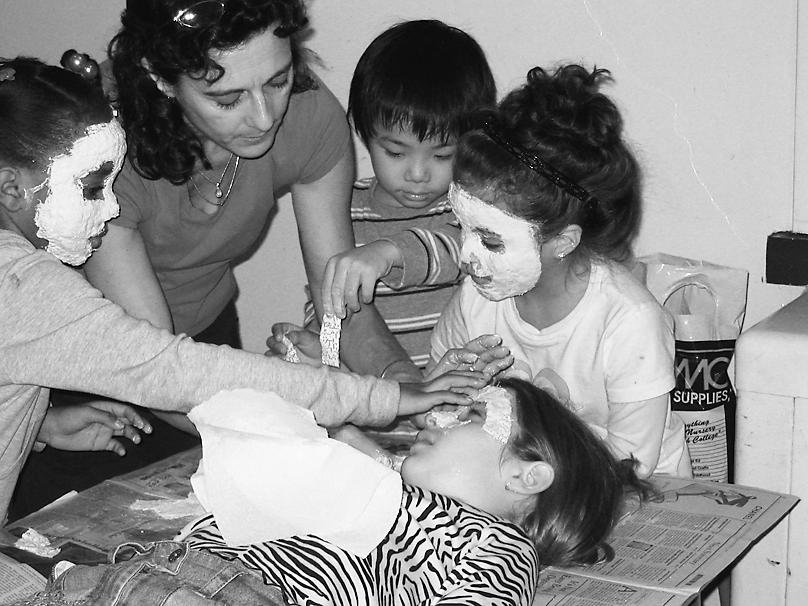
I founded Arts to Grow in 2005 to give inner-city kids a chance to grow and become interested in learning in a completely different and deeply engaging way. We create eight- to 36-week education programs for community centers and schools that include a wide range of activities, such as African dance, theatrical improvisation, and cartooning. Despite our small staff (just me, a part-time program manager, and a handful of teaching artists) and an annual budget of just over $100,000, our impact is far-reaching: In the past four years we have provided programs at 14 public schools and community organizations—and brought in-depth art experiences to 1,150 city kids.
We can make this level of impact because of the involvement of skilled volunteers. Since we started, 150 generous volunteers, many with more than 10 years of experience in their fields, have contributed 21,500 hours to Arts to Grow.
If we had paid our skilled volunteers (which we couldn’t do) $25 an hour (and some of our volunteers command 10 times that) their contribution would total $1.5-million.
A study last year by Deloitte LLP found that nearly 40 percent of nonprofit executives say they will spend between $50,000 and $250,000 or more on outside consultants this year. We have seen our organization increase its efficiency and maximize its impact because our skilled volunteers are getting a chance to extend their creativity, stretch their imaginations, and at times make a career change.
Fortunately, there is now a big push to help communities across the country tap the incredible skills so many volunteers have to offer. In 2008 the Corporation for National Service kicked off “A Billion + Change” a three-year campaign to generate $1-billion worth of skilled expertise to help nonprofit groups meet community needs.
Your intuition might say that many professionals are not able to volunteer because they have career jobs averaging 50 to 70 hours weekly. Our experience at Arts to Grow suggests that is not a major barrier, as long as an organization uses its creativity and resources to recruit and manage volunteers well.
But not all charities use skilled volunteers well. A 2006 study conducted by Deloitte LLP and the Points of Light Foundation reports that neither businesses nor nonprofit groups have been able to create effective programs to recruit and manage skilled volunteers.
The benefits of making the most of skilled volunteers are clearly profound, but recruiting, retaining, and managing all of them can still be a headache. So how can a charity be sure it is getting the most out of the amazing resources and opportunities available today without going crazy or offending the volunteers or the employees? Here are some things we learned at Arts to Grow:
Define each individual role that needs filling. Don’t just aimlessly recruit as many people as possible. What skills are the organization’s staff members lacking? Which projects are not started because the organization doesn’t have the employees to do them? Advertise specialized opportunities on Web sites that list nonprofit jobs and volunteer needs, listing each position’s responsibilities and requirements.
Don’t waste time on potential volunteers who don’t seem like a good fit. Be upfront about what the organization wants the volunteer to do. Ask what the volunteer is looking for. If, for example, the charity’s needs call for an independent worker who can sit at the computer and send out e-mail blasts all day, don’t offer the work to someone who is looking to volunteer as a way to be active and socialize.
Keep volunteers motivated. Since money is obviously not the incentive here, volunteers will do their best work when they feel inspired by the end result.
Before they even get started, show them firsthand what the organization can accomplish. Incentives are also important. Can you offer experience, recommendations, professional contacts, a fun time?
Be flexible and show respect. It would be great if people with needed skills were willing to devote themselves to one charity, or solely to volunteerism, but they probably need to spend the majority of their time working on paid projects or looking for work. Give the volunteers specific tasks and short-term projects that require only a few hours per day or a few months of their time and make sure their important contribution is recognized. The obvious way to do this would be individual praise, but write-ups on the charity’s Web site or Facebook page or in an electronic newsletter to supporters can show appreciation. Let volunteers see how their work helps move the organization forward. Those “rewards” aid in continued motivation and retention.
Above all, don’t undermine the morale of staff members and consultants. Make sure you use volunteers in a way that complements the work of the people who are paid to keep the charity running. Make it clear that volunteering is support for the essential work of your organization. Your sponsors want to know that their donations are being put to good use, after all.
Here are a couple of examples of what this investment in skilled volunteering looks like at Arts to Grow:
Miranda Lopez, a student at our theater program at the Cypress Hills Local Development Corporation, in Brooklyn, was playing a lead role in Aquanet Aquanet (a revised version of the Broadway show Hairspray). She needed headshots for inclusion in the production’s program and for a scholarship application to a performing-arts summer camp; Marissa Lonardo, one of our volunteer professional photographers, did a photo shoot for the youngster.
Miranda received the camp scholarship—and rave reviews for her performance.
The skilled volunteer team of Michael Wiemeyer and Kathryn Porter, created our logo, our stationery, and a robust Web site.
More than three years later, the Web site, http://www.artstogrow.org, continues to grow with us—and so does the positive impact of skilled volunteering on our organization, our volunteers, and our community.





