

February 6, 2012 | Read Time: 4 minutes
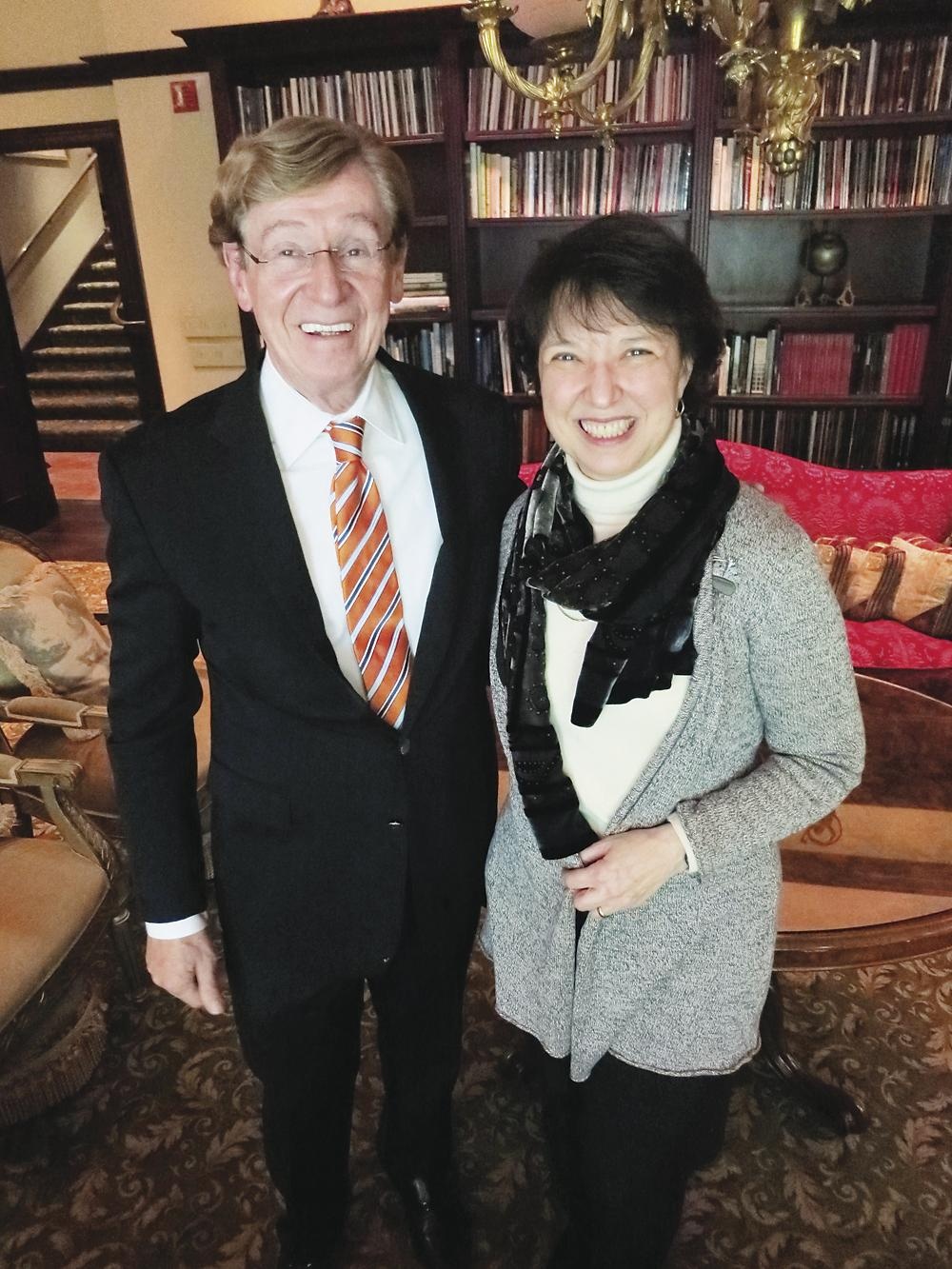
Careful listening is an essential skill for a wealthy donor’s adviser, says Sunny Fischer, executive director of the Richard H. Driehaus Foundation.
Ms. Fischer remembers Mr. Driehaus, the Chicago investment adviser whose philanthropy she guides, becoming irate about something happening in city politics that he thought should have been covered more thoroughly in the news.
“We need an investigative report on that,” he said.
After hearing him express that thought three or four more times in the months ahead, she responded, “You know, we could have a funding area in investigative reporting.” He agreed.
From 2008 to 2010, the Driehaus foundation, best known for restoring historic architecture and supporting arts groups, gave about $800,000 to a dozen government accountability, media, and investigative-reporting groups.
Last year, Mr. Driehaus offered a matching gift of $1-million to Chicago’s Better Government Association to promote honest, efficient, and transparent government through investigative journalism and other efforts to influence public policy and opinion.
Modest Beginnings
Ms. Fischer, 67, a former English teacher and domestic-violence activist, has helped Mr. Driehaus donate more than $60-million since the 1990s. She worked as his consultant for seven years before becoming the executive director of his foundation 12 years ago.
In the 1980s, before working with Mr. Driehaus, Ms. Fischer was hired by another Chicago philanthropist, Lucia Woods Lindley, to organize one of the first women’s foundations in the country. Ms. Fischer served as the first executive director of the resulting Sophia Fund, which eventually merged with the Chicago Foundation for Women, with Ms. Fischer and Ms. Woods among its four co-founders.
Neither she nor Mr. Driehaus grew up with wealth, so it is interesting, she says, to see what money can do. She was raised in public housing in New York’s South Bronx. Her father was a mailman, her mother ran a welfare fund for a union, and both were active volunteers with a passion for fairness and social justice.
She thinks Mr. Driehaus feels the same. “He has always wanted to give back, and I have, too,” she says. “We are in positions of tremendous responsibility, and we don’t take it lightly.”
Her job, she says, is about much more than simply granting charities access to a major donor. Wealthy philanthropists who employ people like her, Ms. Fischer says, “trust us to be observers, listeners, analysts, researchers, and advisers.”
She receives about 500 requests for support a year and says proposals increased by about 30 percent once the economy soured. In 2011, the Driehaus fund awarded 350 grants, mainly to historic-preservation programs and to small and medium-size organizations.
Mr. Driehaus and his two sisters sit on the foundation board and come up with about 60 percent of the new ideas for causes and charities to support, which Ms. Fischer then vets. She comes up with the rest, she says.
Sunny Fischer
Current philanthropy role: Executive director, Richard H. Driehaus Foundation
Early jobs: Worked as English teacher and domestic-violence activist
Other experience: Co-founded the Chicago Foundation for Women in 1984
The board meets three times a year, she says, and ideas evolve in an atmosphere of close collaboration. It’s her job to develop the strategy and to follow through.
But most important, donors need to trust their advisers, she says. That means that the adviser is representing the donor and his or her values well, she says, and that the adviser is selecting good projects and giving the donor the necessary information about those projects to make decisions.
Mr. Driehaus says Ms. Fischer’s experience and connection to the issues and the community are “invaluable” and describes her as key to the decision-making process.
“Our relationship is such that while we don’t always agree, we learn from each other, trust each other, and enjoy the results of the foundation’s funding,” Mr. Driehaus says. “There is not a better person for this important role.”
Creating a Museum
Ms. Fischer tries to listen openly to requests for support, wherever they originate.
For instance, she recalls, “some public-housing residents came to us to ask whether we could help them develop a public-housing museum.”
She became excited, not just because of her own background as a former public-housing resident but also because she had been to New York’s Lower East Side Tenement Museum in the early 2000s and was impressed.
As a result of that open ear, a new National Public Housing Museum will be located in the last remaining building of the Jane Addams Homes on the west side of Chicago.
Over the past five years, the Driehaus Foundation has contributed $400,000, with Ms. Fischer joining the board and encouraging others, including the Ford and Boeing foundations, to make major grants.
The first phase of the museum’s opening, originally scheduled for this year, has been delayed until the end of 2013, Ms. Fischer says, slowed by the economy.
She also acknowledges the $17-million project has faced some pushback from elements within in the community opposed to a museum dedicated to public housing.
Despite such controversy, she points to the forthcoming museum, and the co-founding of the Chicago Foundation for Women, as key personal accomplishments.
“I’m very lucky,” she says. “I have had a role in creating things I can be proud of.”





