
To Ride the Growing Civic Wave, Nonprofits Need to Find New Ways to Engage Supporters

By Natalye Paquin
Contributor
December 7, 2020 | Read Time: 6 minutes
Last month our country experienced a wave election. It wasn’t a blue wave or a red wave. It was a civic wave. A record-breaking nearly 160 million Americans voted. This wasn’t the wave pundits were projecting, but it was a wave nonetheless — and it has been building for some time.
Over the past few years, we’ve seen a significant upswing in many forms of engagement. Millions of people are making their views known through protest. Growing numbers are using their purchasing power to support companies that align with causes they care about. And still others are making job decisions based on an employer’s values. Gen Z, which includes climate activist Greta Thunberg and many young activists who are less well known, is the most civically engaged of all.
For nonprofits and those who fund them, the lesson here is clear: Ignore this wave of civic engagement and risk being swept aside, or embrace and work with this growing cadre of civic-minded Americans to solve long-standing systemic problems.
Doing this effectively will require understanding how people participate in civic life and finding new ways to build on that engagement. Fully 80 percent of nonprofits say they rely on volunteers to achieve their missions, but volunteering isn’t the only way people engage with and support change in their community.
This spring, as Covid-19 was turning communities upside down, the organization I lead, Points of Light, conducted a study aimed at understanding Americans’ attitudes, behaviors, barriers, and motivations toward civic engagement. Nearly all respondents (95 percent) said that after the pandemic passes, they will either maintain their current level of involvement or do more to get involved and make a difference.
But our study found that each generation’s form of engagement often varied significantly. Gen Z leads all other generations in participation in seven out of 10 civic activities we measured and appears to have a more expansive view of how to use civic power to drive change. Nearly 59 percent of the Gen Z group said they made purchase decisions based on a company’s social responsibility compared with 40 percent of millennials and 36 percent of baby boomers. Millennials, the largest generation, came in second in participation in five out of 10 civic engagement activities, clearly demonstrating their ability to wield significant civic influence when mobilized.
But each generation has its civic strengths. Baby boomers were the most likely to donate (58 percent), vote (75 percent), and contact elected officials to express their views on an issue (26 percent). At 15 percent, Gen Z was the most likely to embrace public service by joining the military, running for elected office, or taking a position on a nonprofit board.
All generations of Americans are ready and willing to engage. But nonprofits, and those who fund them, aren’t always using this people power effectively. Donors often want to see immediate results for their money so nonprofits develop programs with big impact numbers, such as pounds of food collected or meals served. But what if we built program support and measured program success differently? What if organizations equipped people to pull every lever of their civic power, such as volunteering. organizing, and voting, to solve root causes of problems like hunger and poverty? What if grant makers funded and measured how well nonprofits used their human capital?
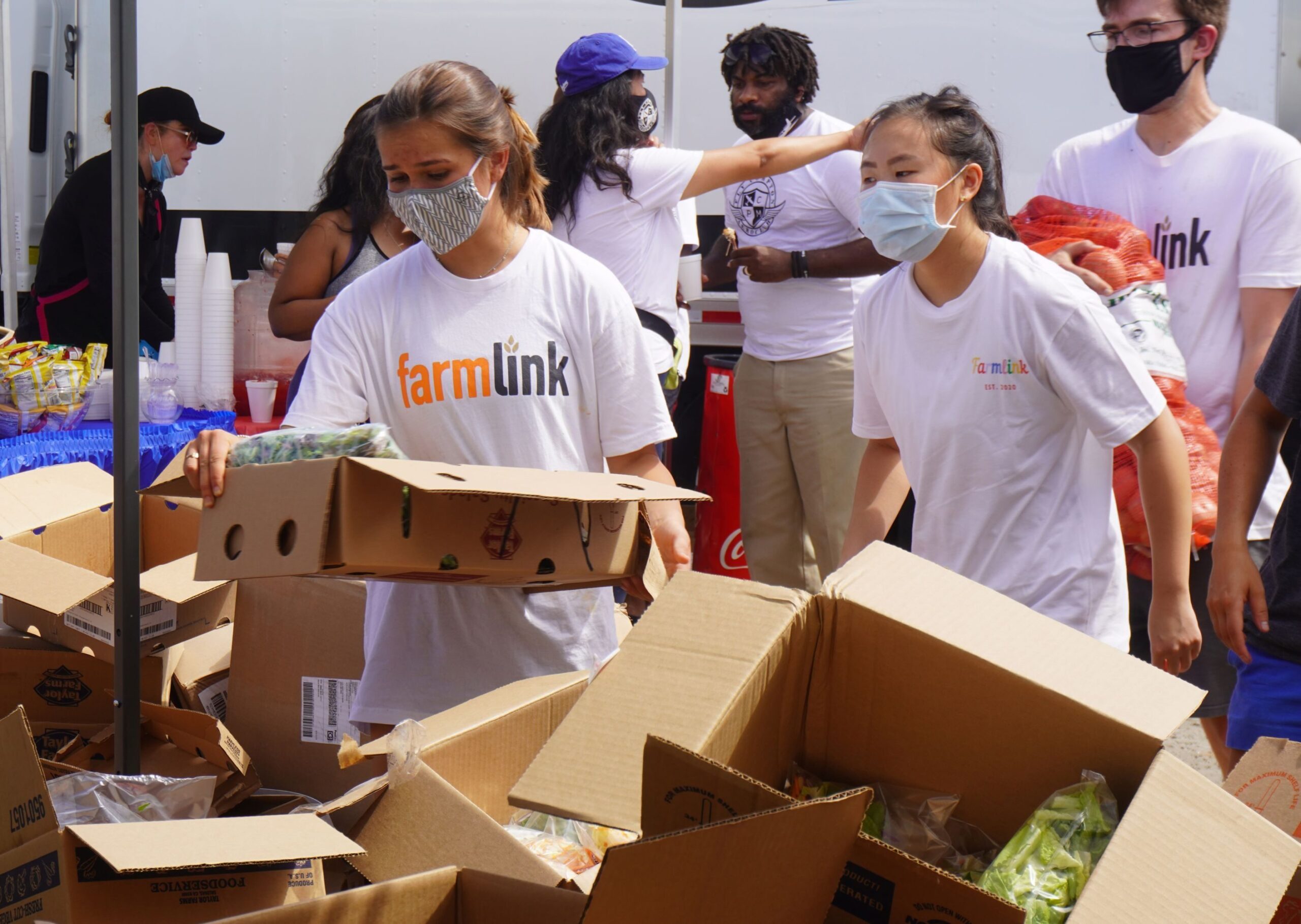
The Farmlink Project, which delivers excess food from farms to communities in need, is a good example of this more holistic approach to constituent engagement. During the most recent election cycle, the organization didn’t just have volunteers collect and redistribute food, it also provided information on how to register to vote and the importance of civic engagement. Farmlink recognized that people looked to the nonprofit as more than a place to send donations or volunteer but as a source of experts who could help them integrate a cause they care about deeply into every aspect of their lives.
Not surprisingly, Farmlink was founded by a group of Gen Z digital natives who never thought to approach their cause any other way. Members of Gen Z don’t just want to be the generation that donates the most. They want to be the generation that solves problems and creates positive systemic change. They aren’t saying they merely want to volunteer to help fight hunger or climate change. They’re saying they won’t tolerate hunger or climate change. For them, inaction is unacceptable.
The nonprofits that thrive in this new reality will embrace a more robust and sophisticated approach to civic participation. They will build program support and measure program success differently, and innovative funders will understand and enthusiastically support this work.
There is no better indicator of an organization’s health than an assessment of what I call its “civic balance sheet.” Beyond a solid cash-flow statement or endowment, healthy nonprofits need robust engagement with people who provide a constant feedback loop.
How can we tell if an organization has a healthy civic balance sheet? By asking questions similar to those used to assess financial health. When we ask a nonprofit about the diversity of its funding sources, we should also ask about the diversity of its volunteer base and how well it reflects the community it serves.
When we ask about an organization’s financial sustainability, we should also ask how it is engaging volunteers for the long-term and how it can maintain that engagement during times of disruption or crisis. We should recognize that a nonprofit that has a large budget for traditional advertising may not be as healthy as one with a social-media following that is constantly reposting its messages and drawing other people to its cause.
That engagement and the trust of community members matter just as much as a set of data that shows the reach of a program. As we saw during the November election, national attention and massive amounts of money do not always translate to success in state and local races. Hyper-local engagement of constituents is what allows movements and organizations to get closer to their goal.
In the coming years, the social-change organizations that thrive will educate people about how to support their cause in a multitude of ways and will be backed by donors who recognize the value and meaning of all forms of civic engagement.
To my peers in the nonprofit world, let this election and the waves of civic participation that preceded it teach us the value of deploying every asset supporters bring to our causes. And to the philanthropic community, consider investing in a new set of metrics for measuring achievement — one that will create true systemic change faster than any program’s perfectly packaged data set.





