
We Should Have Tough Conversations About Justice and Inequality

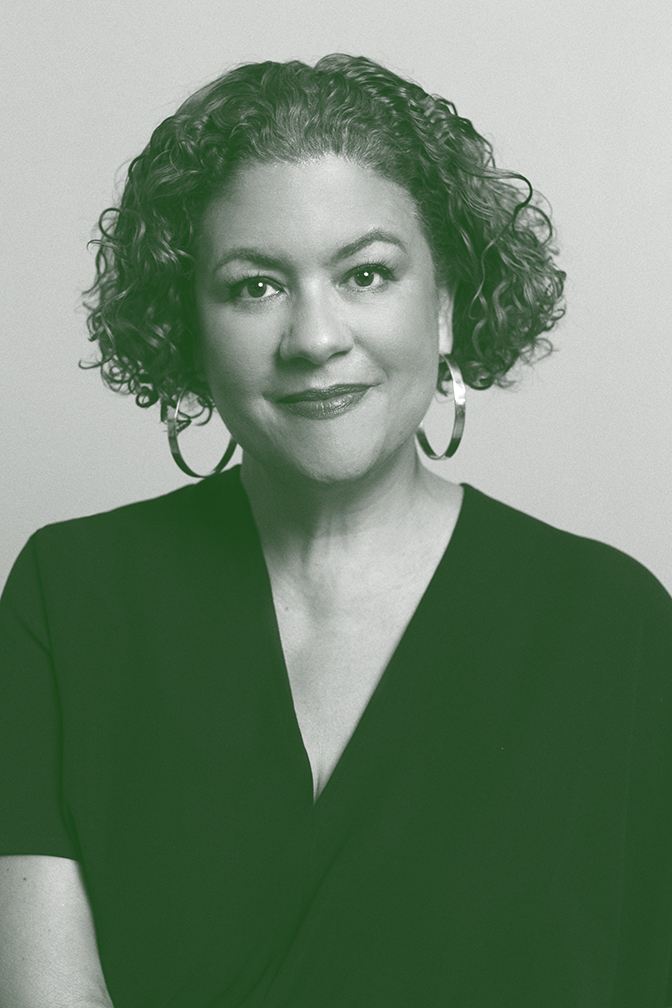
By Elizabeth Alexander
Contributor
December 11, 2019 | Read Time: 4 minutes
This is the second in a series of opinion pieces exploring new ways to look at wealth and philanthropy.
Elizabeth Alexander, president of the Andrew W. Mellon Foundation, is among the philanthropy leaders who spoke at a conference this fall about a new book by Darren Walker, “From Generosity to Justice: a New Gospel of Wealth.” You can view a video clip of her comments and see her answers to questions posed by the Chronicle. Please add your thoughts about her remarks or your answers to these questions in our comments section.
What does moving from generosity to justice meant to you?
The poet Lucille Clifton used to say, “I come to comfort the afflicted and to afflict the comfortable.”
Generosity can feel comfortable, and to me, moving toward justice means questioning and troubling that comfort in very specific and strategic ways. It means expanding what we’re comfortable doing as leaders and institutions, like finding new ways to lift up and listen to and partner with the people we fund beyond just writing a check. And in cases where we’re starting or drawn into tough conversations about injustice and inequality, it means working through them rigorously with our partners.
In my first year and a half at Mellon, I’ve been pushing us to name and expand the justice aspects of our work. For a long time, the foundation has talked about access to the arts and higher education, the idea of “doing the right thing.” Expanding access to higher education, liberating ideas, and inspiring art and culture is a justice vision that we can center on as we identify the kind of work we should be doing, and the society we want to help build.
What is the most important takeaway from the new gospel that you hope foundation trustees will consider?
No matter the foundation, I think it’s important to remember that we would not be in the position that we are in, with all the resources we have, if there were not people in need somewhere else. In some ways, philanthropy is a space to think about what a redistribution of wealth could and should look like.

And I think it can, and must, be about justice. I come back to what feels like a simple idea: If there is too much someplace, the people there have a moral obligation to be thoughtful about sharing it. That moral obligation can be a more fundamental part of all of the decisions we make, and a lens through which we view our work of building a more just society.
What can your fellow foundation presidents do that will make the bigger kind of difference you are emphasizing? What is an example of what Mellon is doing that can demonstrate what you are suggesting?
In my short time as president, I’ve learned a lot about the art of philanthropy, especially as we get at the root causes of injustice. And part of that is how the foundation figures out — through the work of talented people and rigorous analysis and listening to grantees and partners — how our specific efforts contribute to the larger project of justice.
Another part of that is partnership, and responsiveness. I think given our position, when foundation presidents see a big opportunity to move the needle on justice, we need to act quickly.
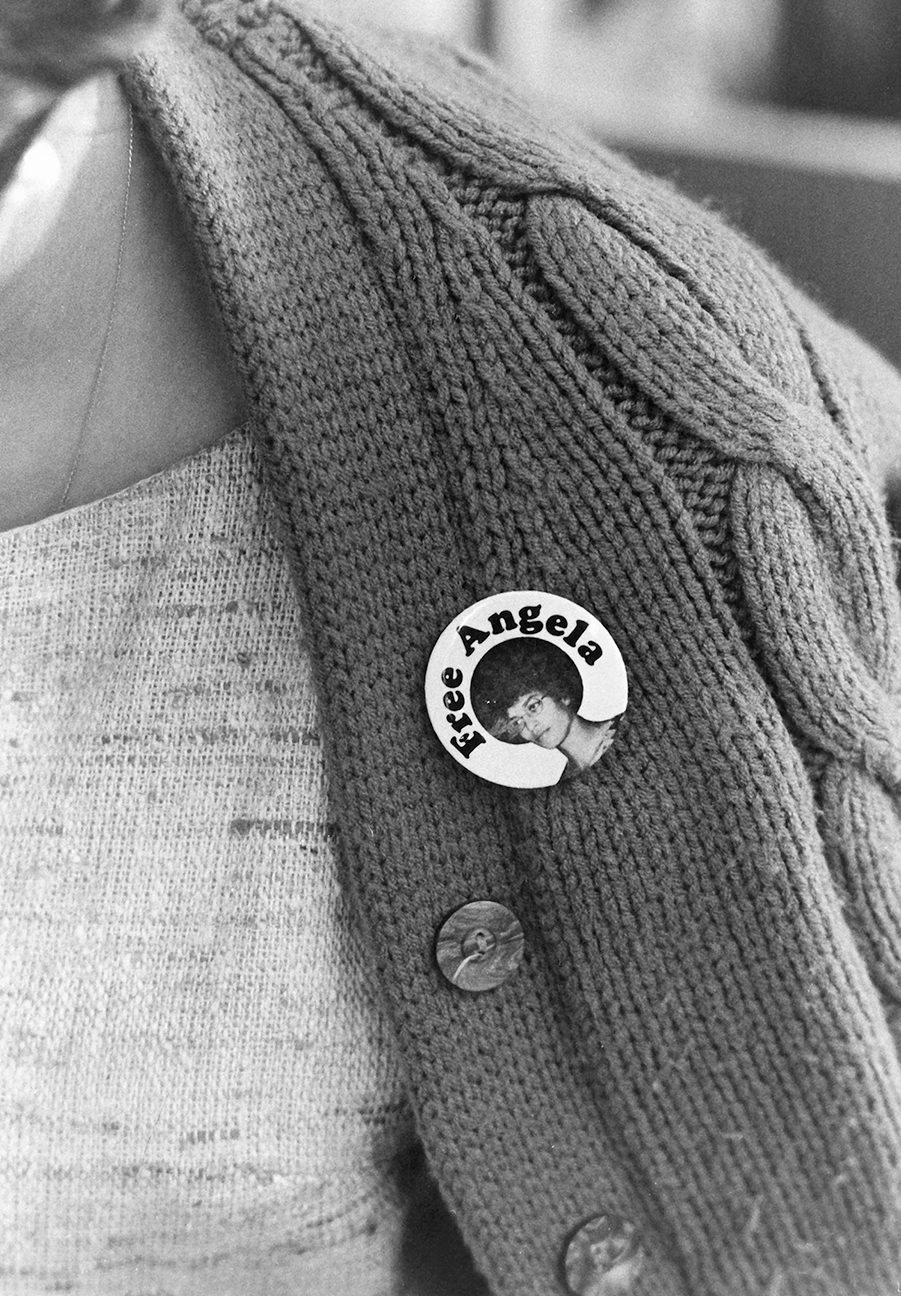
For example, earlier this year, we learned the photo archive of Ebony and Jet magazines would be put up for auction. This is an enormous collection of more than 4 million prints and negatives chronicling the lives and culture of African Americans in the 20th century. It is a treasure trove of American history in images. Having gone to view it myself, it is truly astonishing. These are parts of the American story that, historically, have not been sufficiently studied or valued.
So I knew we had to take action. That’s why we gathered Ford, MacArthur, Getty, and the Smithsonian to secure these images for the public good. It’s been a huge undertaking, but worth all the effort because of what it means to our culture and to telling a more inclusive, more just American story.
That kind of bold action and strong partnership — in service of justice — can happen only when we are prepared and ready and committed to seizing the opportunities in front of us.





