Board-Game Fundraising Event Triples Its Goal and Raises $91,000

By Nidhi Singh
Contributor
July 21, 2015 | Read Time: 4 minutes
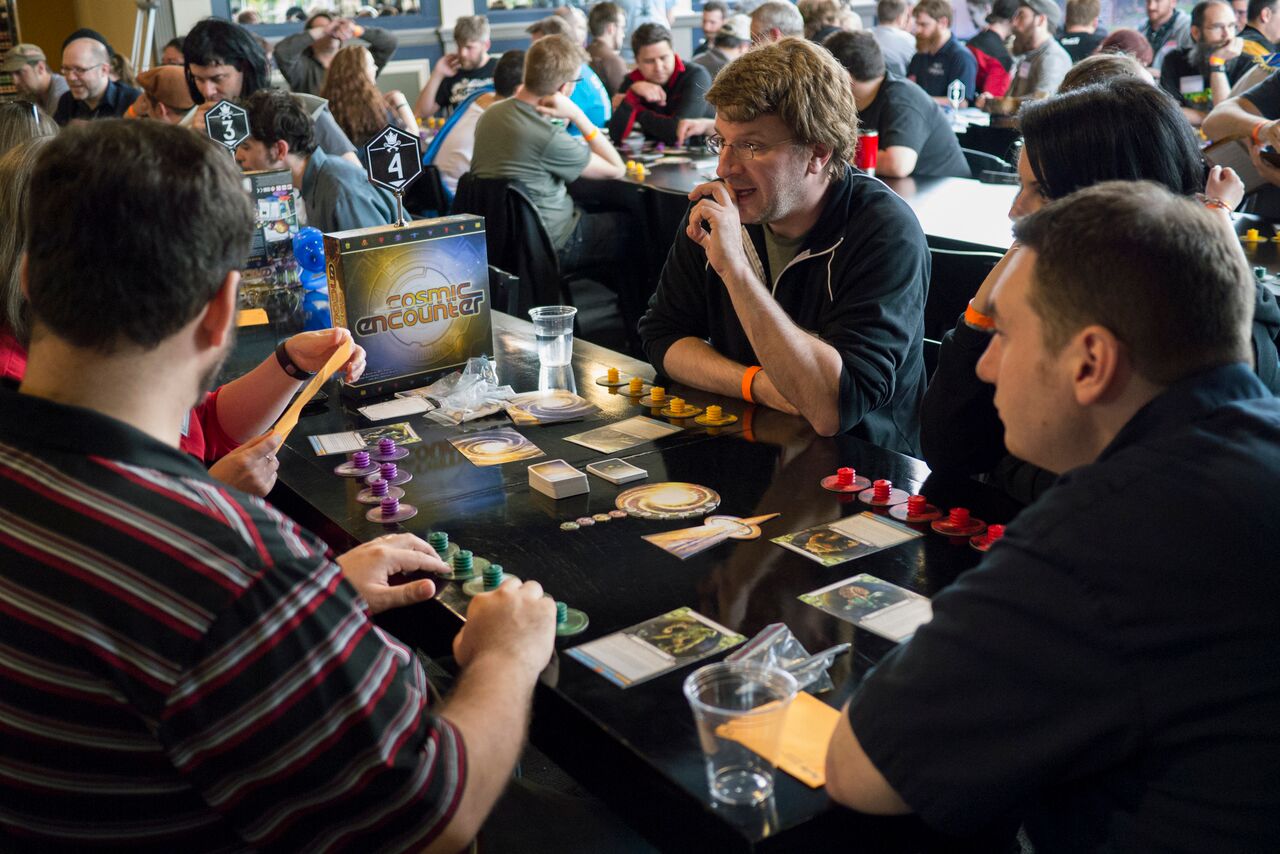
It was a scene like no other.
Zombies, ghosts, Star Trek characters, and other people in costume, were ready to do battle in a day of gaming, despite knowing that each group was fighting for the same cause: charity.
Lyla Ross, a social worker, had organized the board and card-game tournament, called the Gauntlet: Moxtropolis, to raise money for charities. The gamers included customers of her husband and brother-in-law’s jointly owned Seattle-area game stores, Card Kingdom and Mox Boarding House.
This year’s event, the second annual, raised about $91,000 for Hopelink, a local charity that serves homeless and low-income families and people with disabilities east of Seattle.
Like last year, participants raised money — most of it before the event — by telling stories about the cause, the games, and related topics on blogs and in social media.
Here’s how a single day of intense board gaming paid off.
The Competition
Twenty teams of four people each lined long rectangular tables that filled Mox Boarding House’s cafe.
It was nearly twice the turnout of the inaugural event, where 10 teams gathered at the company’s Card Kingdom location. That year Ms. Ross had hoped to raise $5,000, but the tournament produced $26,000 for Child’s Play, a charity that provides toys and games for children in hospitals and shelters.
This year’s teams were composed of local nonprofits, game developers, and others involved in gaming, such as Team GeekGirlCon, an all-female group that hosts an annual conference connecting “geeky women” from around the world, and Team Bungie, a video-game development company based in Bellevue.
The tournament was designed with incentives for participants to raise money even before it started, though some contributions continued to come in while the games were in progress. Teams would compete against one another playing five board games, four of which were announced before the tournament. The fifth game was designed especially for the tournament, and unless a team raised $2,500 before the event, it would not hear details of the new game until the day of the event.
The tournament also provided “power-ups,” advantages to move ahead in the tournament based on the amount of money raised before the event.
Not surprisingly, most of the money came in ahead of time. Team Bungie, for example, dressed in white, ghostlike makeup, raised most of its $50,000 before sitting down at the game table.
Technology and Storytelling
The teams used storytelling through a digital platform to inspire people to donate.
For this year’s event, Ms. Ross worked closely with CauseVox, a nonprofit crowdfunding site that provided a website for the tournament and a way for donors to give online. The site had a page for each team and a blog for each participant. Gamers raised money by sharing stories through their blogs and through social media and rallied their friends to write posts supporting the cause.
Ms. Ross also used the site to share Hopelink videos, stories, and facts about the charity with the participants and donors.
Rob Wu, CauseVox chief executive, says the company has found that stories published as part of a campaign usually yield more in donations than stories alone do. This year’s campaign yielded about $109 for each blog post.
Niche Audience
Part of the Gauntlet’s success can be attributed to its focus on a target audience, says Mr. Wu. All too often, he says, when people look for fundraising ideas, they tend to go with things that have been done before instead of breaking new ground.
“My advice for people who have a creative idea is to go for it,” he says.
The $91,000 raised — triple Ms. Ross’s goal of $30,000 — is enough for Hopelink to provide 30,000 meals for families of four.
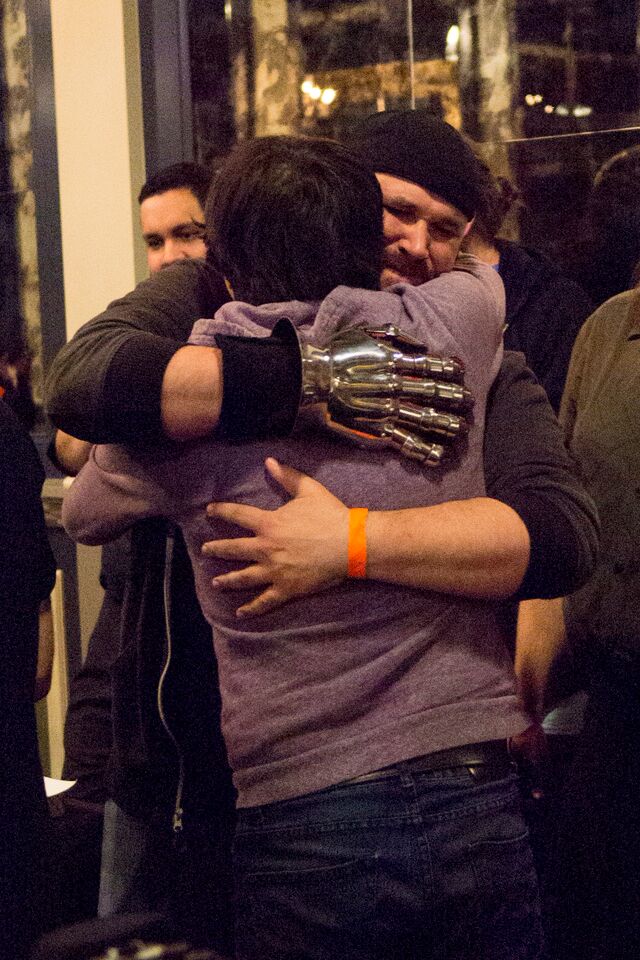
The cause had special meaning for Charles Arrasmith, captain of the tournament’s winning group, Team RFP. As he accepted the trophy, he told the group that his family had relied on food banks at one point during his childhood.
“He was reminded of how much good was coming out of this event,” Ms. Ross says. “There was not a dry eye in the house!”
Ms. Ross says she is excited for the next tournament and hopes to continue building on the event by introducing new themes, games, and beneficiaries that will resonate with participants.