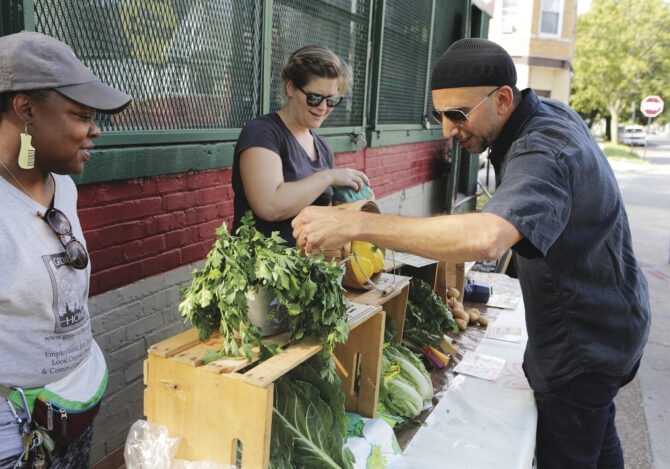
Chicago Activist Shares Tips for Running a Faith-Based Advocacy Organization

By Michael Anft
Contributor
March 5, 2019 | Read Time: 2 minutes
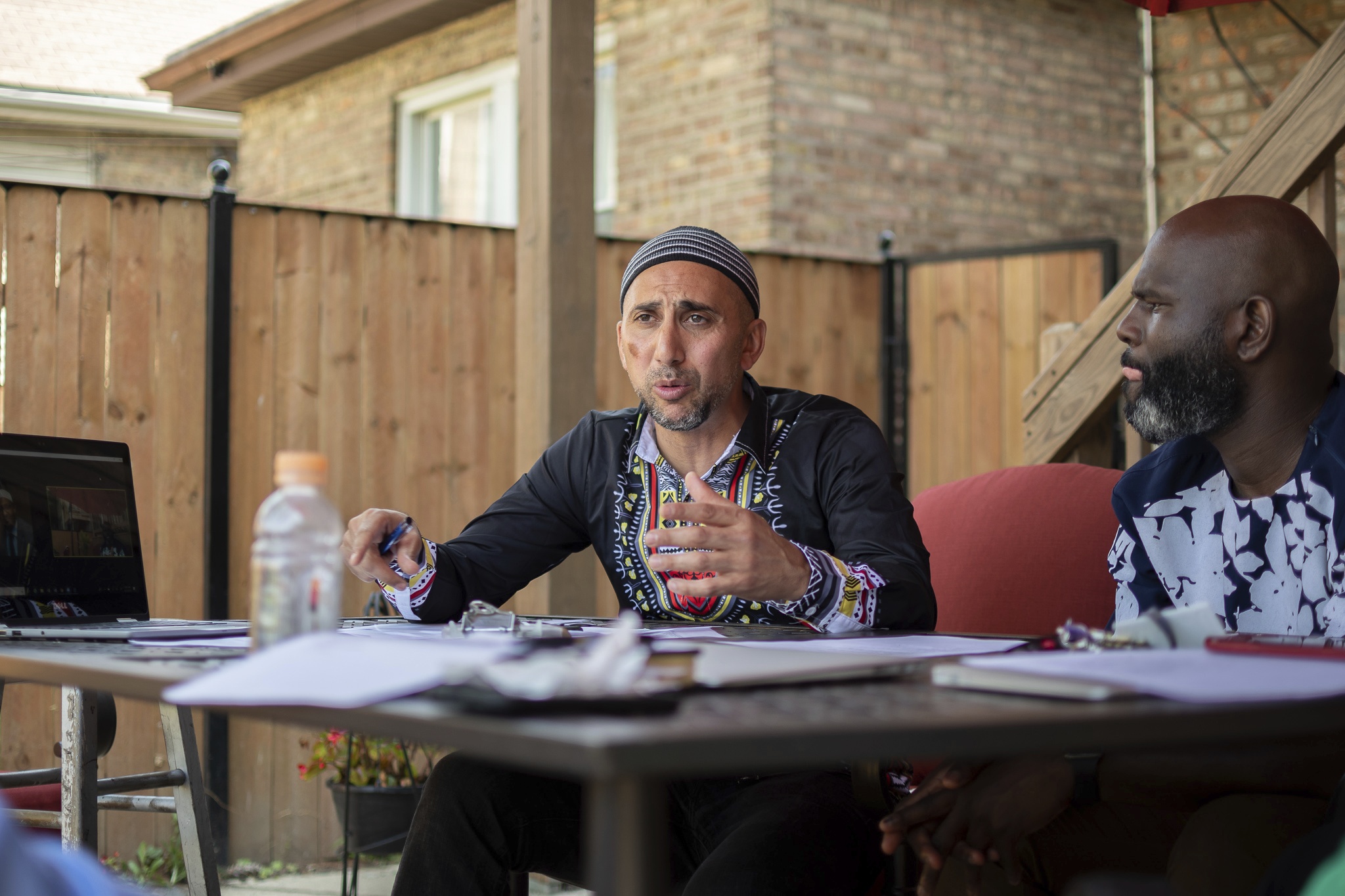
During his 25 years at the helm of the Inner-City Muslim Action Network, Rami Nashashibi has built the group into a force for activism on Chicago’s troubled South Side. Here are a few of his ideas on how to run a multifaceted faith-based advocacy organization:
Learn from more experienced activists. Upon founding the network, known by its acronym IMAN, Nashashibi began working intimately with others, including a rabbi and a female African-American Pentecostal preacher, Patricia Van Pelt Watkins, who helped him understand the possibilities of organizing neighborhoods. “These were people who were already doing amazing work in our area,” he says. The preacher, Patricia Watkins, “taught me how to create broad-based coalitions,” Nashashibi says.
Reach out to other groups. No organization operates within a vacuum. “Groups will never be able to create substantial change without banding together,” Nashashibi says. Coalitions that include IMAN have succeeded in campaigns to change several local and state laws.
Make people feel respected. IMAN works to welcome people from all religions and walks of life — despite its self-identification as an American Muslim group. “It’s important to offer people alternative space where they can feel safe, and not to have any kind of litmus test,” Nashashibi says. “Barriers have never been a thing for us. It seems natural for us to bring in blacks, Arabs, and South Asians together to work here.”
Embrace who you are. Not long after IMAN was formed, “several well-intentioned people said we should remove ‘Muslim’ from our name,” Nashashibi says. “For us, that would defeat the purpose, which was to focus on the American Muslin experience.”
Celebrate. IMAN holds major arts-and-music events throughout the year, drawing diverse audiences. “It’s important to bring people together to share what they do — and see what we have in common,” he says. “You have to be open to the artistic and cultural things people are doing to sustain these communities.”
Correction: A previous version of this article said the organization holds an arts-and-music event once a year, instead of holding such events throughout the year.