Conference: Fundraising Strategies and Successes at Often-Overlooked HBCUs
Historically Black colleges and universities should build up their planned-giving programs and focus more on seeking federally funded grants, according to a panel discussion at the conference, which also described successful fundraising drives.

By Rasheeda Childress
Senior Editor, Fundraising
July 11, 2024 | Read Time: 4 minutes
NATIONAL HARBOR, MD
Keep up with everything happening in fundraising by signing up for our Philanthropy Today newsletter and joining our LinkedIn group for fundraisers.
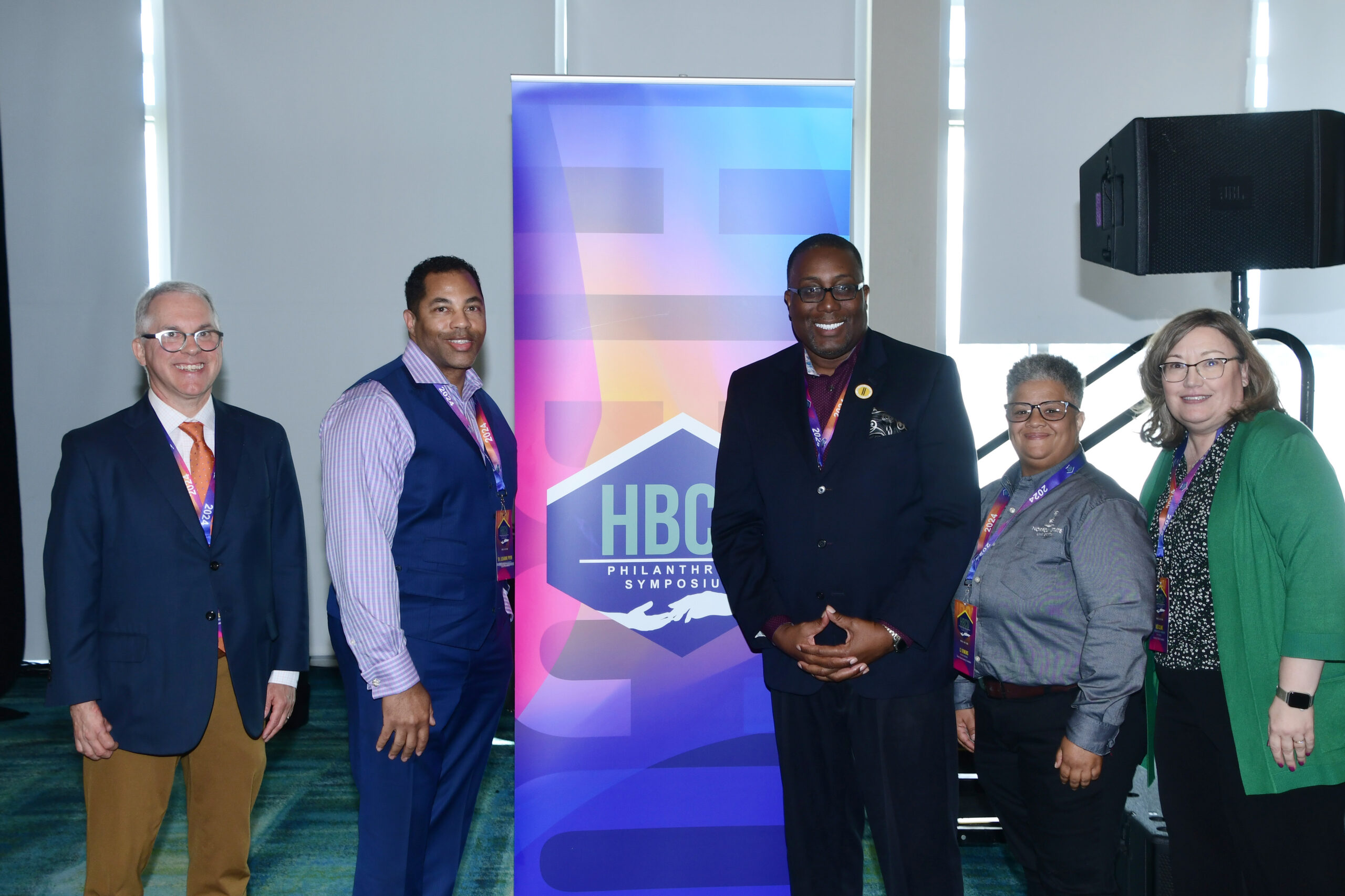
Historically Black colleges and universities should build up their planned giving programs and focus more on seeking federally funded grants, speakers at the HBCU Philanthropy Symposium advised last week.
In its 14th year, the symposium drew development, advancement, and alumni-relations staff, as well as a handful of presidents, from HBCUs and other minority-serving institutions, which have historically received much less philanthropic support from mainstream funders. One of the hot topics was HBCUs’ underuse of planned giving.
The gift planning landscape has become lopsided, says Andrew Hibel, a longtime advocate for deferred giving and a founder of the Planned Giving Initiative.
“The haves and have-nots in planned giving have only increased with time,” he said. “It really feels like there’s a select few that really, really do it well. And then there’s a bunch of other people that, even at giant organizations, struggle to get a footing.”
Norfolk State University began its planned giving program in 2023, said Crystal Jenkins, executive director of Norfolk State University Foundation. She explained that cultural norms have meant planned giving wasn’t a natural fit for many HBCU donors.
“We have had some challenges in just the stigma of talking about death to our constituents and donors,” Jenkins said. “And then in talking about money — to be really transparent, most of us in this room will probably agree, when we grew up our parents said the one thing you don’t go around talking about is your money or what you’re going to do with it.”
But the university partnered with a firm that had some educational courses for donors on benefits of planned giving, and fundraisers began discussing the prospect with several of the university’s wealthiest benefactors. Many of them hadn’t heard of planned giving and therefore hadn’t considered it, Jenkins said. Within a year of starting the program, it already has $4.5 million in commitments for planned gifts.
It’s important for HBCUs to think about noncash assets in general, said Margaret Cline, vice president for gift planning and trust services at the University of Illinois Foundation.
“If we look at Federal Reserve data [on] the average household, most households have 10 percent of their assets in cash and 90 percent in all other assets,” Cline says. “But when you look at giving to higher education, 80 percent of all gifts to higher ed come in the form of cash and 20 percent from other assets. It’s really important for institutions to change the dialogue from gifts from your income to gifts from your long-term pocketbook.”
Inside a Successful Giving Day
Conference attendees also heard about successful fundraising drives at other universities. One standout: Dillard University, an HBCU in New Orleans with about 1,200 undergraduate students, raised nearly double its $1 million goal during a giving day campaign.
Dillard faced some setbacks in 2023, including blackouts caused by aging infrastructure, which led to a roughly 150 percent insurance increase, said Stephanie K. Rogers, executive vice president for institutional advancement. The university was able to get some emergency federal funding, but it knew it also needed more private support. So it decided to raise funds during its Day of Giving, which coincided with GivingTuesday.
To make the most of the giving day, Rogers and her small team started three months in advance and created a plan to get alumni and other supporters excited about the giving day. They talked about it at homecoming, during the university’s annual family campaign, and at other events.
“We intertwined the Dillard University Give Day into every one of those campaigns,” Rogers said. Additionally, “we did a lot of research, and we examined who had not given up to their potential. Our development officers created strategies for step-up gifts for those who had been giving flat for the past several years.”
They even added a church outreach strategy, where they spent one Sunday a month in the fall at a local church. “We didn’t just visit them; we brought our choir with us,” Rogers said. “We have a world-class concert choir, and when they saw that and they heard them, they were like, ‘What can we do?’”
Over all, the university raised $1.93 million, almost doubling its goal.
Finally, at another session, government program officers said there is often a lack of HBCU applicants for federal funding programs. The program officers recommended that HBCUs first sign on as peer reviewers of applications for programs they are interested in applying to as a way to improve their selection chances in the future.
“We don’t have enough HBCUs engaging in that process,” said Trina Bilal, program manager at the U.S. Department of Energy. “The peer review process is where you get to work alongside the program directors pushing these initiatives forward. So you get to see what we’re thinking in our head as being the best competitive proposals versus the least.”