April 7, 2014 | Read Time: 2 minutes
Richard Sugarman, founding president of the Connecticut Forum, a nonprofit that runs a current-affairs panel-discussion series and a high-school outreach program, considers himself lucky. Because the organization is small—with about $1.5-million in revenue each year, 1,200 ticket subscribers, and fewer than 250 donor households—it is able to tightly focus its fundraising efforts.
The group has recently directed those efforts, he says, to ensuring that its small number of donors remain connected and loyal, even increasing their giving perhaps, year after year.
“We’ve deliberately shifted our focus from mass mailings where you might get donations but not necessarily donors, to focusing on our donors and building long-term relationships with them,” Mr. Sugarman says.
The Forum usually solicits only people who have already made a connection with the group, such as by attending an event. Once they have contributed, Mr. Sugarman says, the Forum tries “to click in with them,” such as with a personalized thank-you response or an invitation to an event they might like to attend. Board members are now recruited to call first-time donors and then meet face to face when possible.
The Forum has begun creating special experiences for donors as well. A behind-the-scenes program invites small numbers of donors to shadow eminent panelists the day a discussion is scheduled, which may include riding with them in a limousine bus, being on stage for the sound check, and working at intermission to help the panelists sift through questions posed by the audience for discussion in the event’s second half.
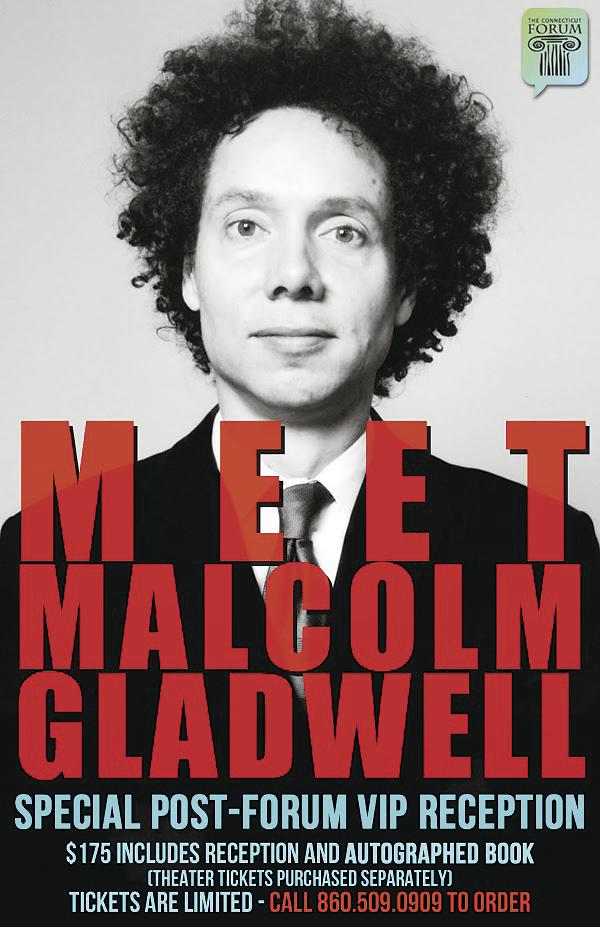
In November, two donors were invited to spend time with the celebrity author Malcolm Gladwell, who was giving a forum-sponsored presentation, and in March, four donors shadowed members of a panel on mental illness, who included the writer and mental-health advocate Andrew Solomon.
“We’re able to offer our donors these kinds of very special VIP experiences that can have a deep impact,” Mr. Sugarman says. “We don’t have to talk so much about retention because we are talking more about connections—relationships with our donors.”
Share of donors in 2013 who also gave the year before: 79%, up from 74% in 2011
Behind the increase: Offering special experiences for donors