How an Athletics Department Raised More Money With Targeted Mailings

By Timothy Sandoval
Contributor
October 24, 2017 | Read Time: 4 minutes
The athletics department at Saint Joseph’s University used to send all its sports-loving alumni and parents the same fundraising letters.
That meant the mail they were receiving did not emphasize the sports they liked the most. Moreover, the appeals were bland. The letters were “not very creative or very interesting,” says Phil Denne, senior associate director of communications for the fundraising arm of the department. “They were just your traditional letters.”
The Philadelphia university’s athletics department decided to change that. About five years ago, the department began to segment its mailing list according to supporters’ favorite sports. And the office shifted from a general letter to a more creative approach.
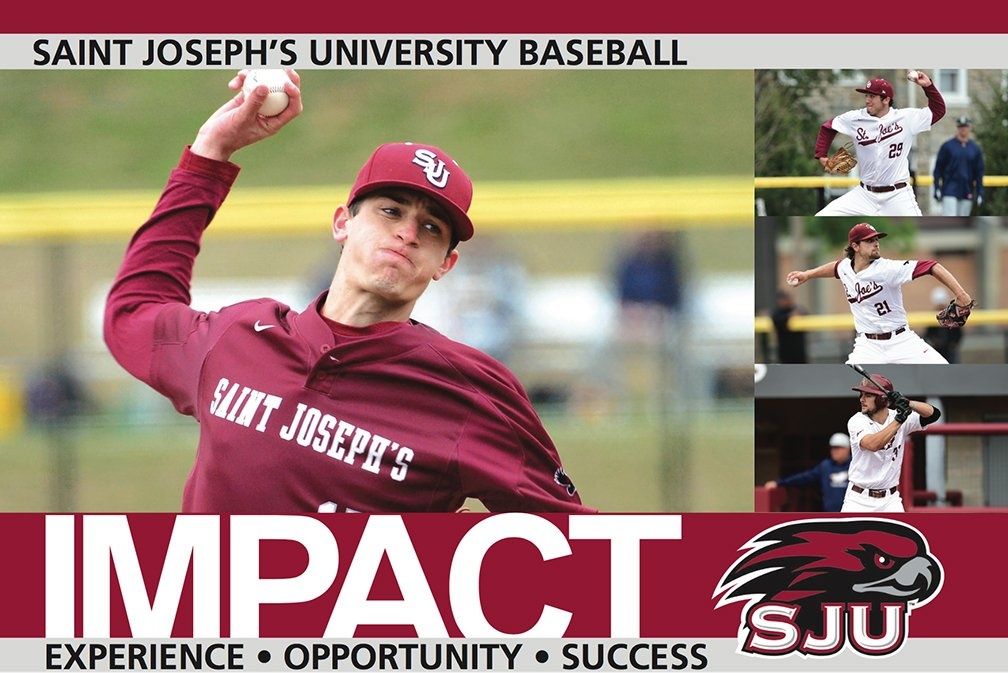
In recent years, the department has sent “self-mailers” — which look more like brochures and don’t require an envelope — for most of its two biggest mailings, in the fall and the spring. That means recipients see photos of their favorite teams and players right away. The appeals encourage donors to contribute online or use an enclosed envelope to send a gift.
For about two years, the university has also sent mailers to parents of current athletes featuring photos of their sons or daughters playing their particular sport. The approach has yielded a lot of positive phone calls and messages and some additional giving.
Since the department started segmenting its mail appeals, revenue has increased 11 percent and the number of donors has risen 15 percent. However, not all of that growth can be attributed to better targeting or the cosmetic changes to the mailers. The college’s basketball team made the NCAA tournament in 2014 and 2016, which undoubtedly boosted donations.
Still, Mr. Denne thinks the changes played a big role.
The mailings take a lot of effort and time, but they’re worth it, Mr. Denne says. “If you’re sending [supporters] things they want,” he says, “I think they’re more inclined to open them, read them, which then leads to them making a donation, getting engaged, coming to an event, or at least paying attention.”
For nonprofits that want to better segment and tailor appeals, The Chronicle spoke with Mr. Denne and Christina Henderson, associate director of athletic development, to get more details — and some advice.
Clean up the data and maintain it. Mr. Denne stresses the importance of providing accurate information that identifies people’s interests. “Your data has got to be clean” he says, and easily retrievable from your database.
Ms. Henderson concurs, explaining that you don’t want the wrong mail going to the wrong people. Hypothetically, if “I played soccer and I got a baseball mailer, that doesn’t look good.”
Over the years, Mr. Denne’s department has exhaustively categorized supporters in the department’s donor database by their favorite sports. The department has codes to identify people’s interests, based on information such as email subscriptions, past donations, and former athletic participation.
For instance, former athletes for the university typically get mailers for the sports they played, while basketball season-ticket holders get one featuring the latest hoops stars.
For supporters who are hard to categorize, the department uses a general mailer that focuses on multiple sports.
Much of the categorizing is done on the back end by data specialists, but athletics department staff also scan the list of supporters to adjust as they think best for various sports, Mr. Denne says.
Cleaning the data is “an ongoing process” he says, but each year, the coding becomes better targeted.
Make time and plan. Mr. Denne says it takes four to six weeks to plan and produce each mailer — creating the mailing list, refining the data, designing the final piece. Ensuring you’ve scheduled enough time to complete the mailing is vital. “It can sneak up on you,” he says of mailing deadlines.
Several people work on the college’s direct-mail appeals, and various individuals need to be contacted for input, Mr. Denne says. That includes coaches and other staff members who are not fundraisers, and perhaps private vendors, who need a heads up about their roles in the process.
Be sure to leave enough time for internal and external review, Mr. Denne advises.
A calendar that notes the deadlines for mailings is helpful, Ms. Henderson says.
Pair with other communications efforts. As the department’s data on supporters has improved, Mr. Denne says he sends more targeted emails, too. That includes messages from coaches asking for support or simple updates on how teams are performing. That way, supporters get appeals and communications for their preferred sports throughout the year. The emails have performed well, he says, noting that open rates have climbed, even for sports without big commercial appeal, like field hockey and rugby. Mr. Denne says of prospective donors: “When you’re feeding them their specific sport, I find them to be more receptive.”