How Fundraisers Can Help Donors Cope With Wall Street’s Wild Ride

By HEATHER JOSLYN
Contributor
February 13, 2018 | Read Time: 4 minutes
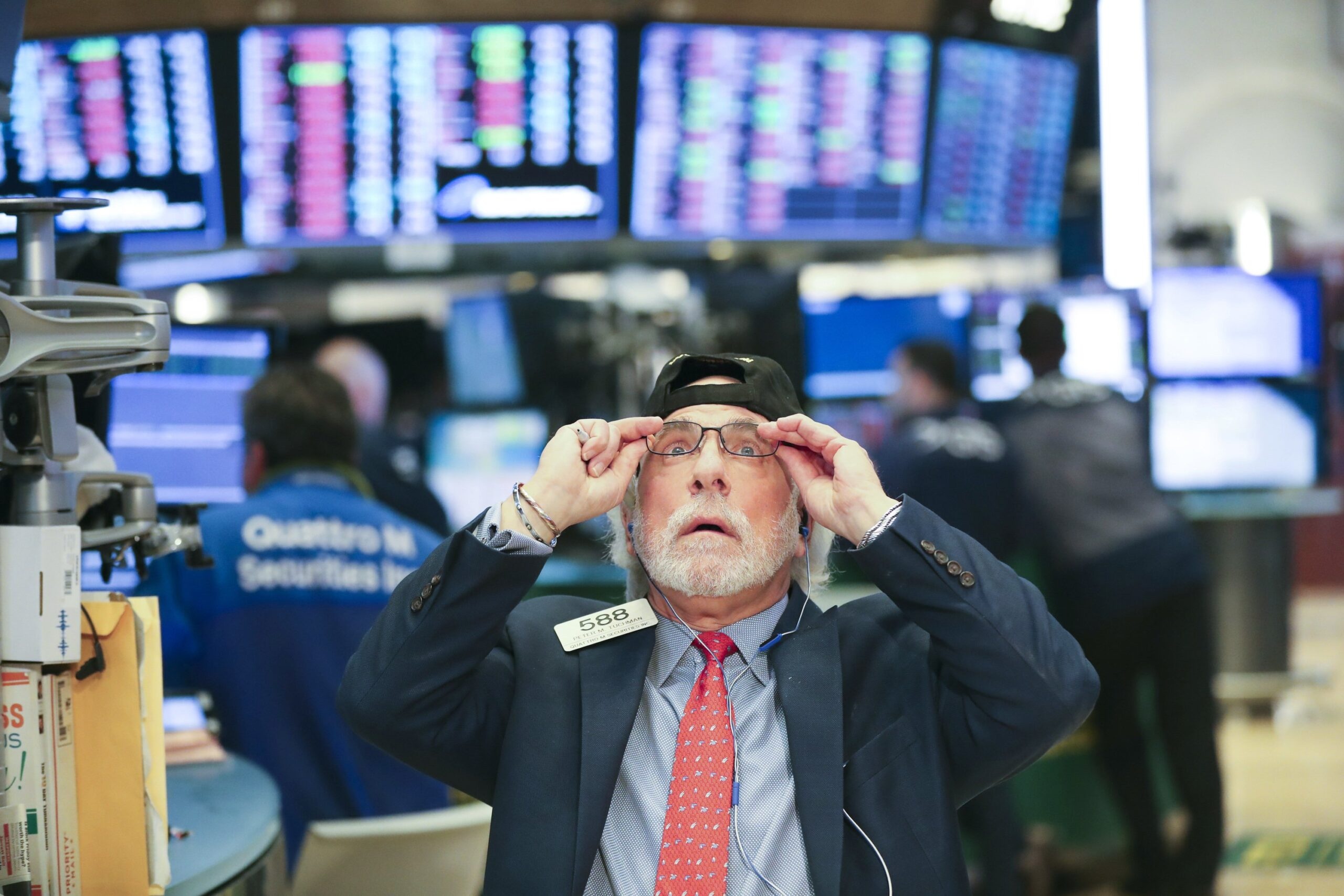
When the stock market began to shudder this month, with the Dow Jones Industrial Average suffering the biggest single-day sell-off ever — investors weren’t the only ones who got nervous. Fundraisers, who are already uncertain how changes to the federal tax code will affect giving, began to wonder how this might affect donors, especially those who like to support charities with appreciated stock.
And some fundraisers might be battling memories of the Great Recession, which hit giving hard.
“When we see a drop in the Dow, we flash back to the fall of 2008 and think the sky is falling,” says David King, chief executive of Alexander Haas, a fundraising consulting company in Atlanta.
But experts say the Chicken Littles should chill — at least for now. A market crash is defined as an abrupt decline of 20 percent or more in value, as in 2008. So far, stock values have declined by no more than 10 percent compared with the year’s high, far from crash territory.
“We saw organizations stop capital campaigns in 2009. But that’s not where we are now,” King says.
Whether the current volatility turns out to be a healthy correction to overheated markets or the first rumblings of an economic downturn, experts offer the following tips for fundraisers dealing with donors caught up in the markets’ wild ride.
Calm down.
Seriously, calm down. “Let’s don’t panic,” King says. “Volatility in the stock market is actually a normal thing, even though we haven’t been living with it for the last few years. We have 10 more months left to fundraise and for this thing to fix itself. Don’t make any snap decisions.”
Phil Hills, chief executive officer at Marts & Lundy, also doesn’t think this winter’s market gyrations will affect 2018’s giving. He urges fundraisers to wait and see: “It’s what happens over the course of the year that matters.”
Check in with donors.
Fundraisers should be “digging in to connect people with their passion, with what they’re trying to do,” says Shelley Robson, senior director of trust, estate, and gift planning at University of Texas M.D. Anderson Cancer Center. At her organization, donors are trying to accelerate advances in cancer treatment and care; its 5-year-old Moon Shots campaign has raised more than $451 million so far.
But charities of all missions can benefit from giving their most generous and loyal supporters a little extra attention in this season of uncertainty. Ask them about their concerns, Robson says. “It may take a little bit longer to close the gift,” he says, “but it’s about being patient and spending the time with the donors.”
Educate donors about options.
In donor meetings, fundraisers should “go back to basics,” Robson suggests. “When you talk to a donor and they’re interested in making a gift, it’s critically important to say, ‘Would you mind sharing with me which asset you’re thinking about using to make this gift?’”
That opens the door to a discussion about the tax benefits of giving appreciated assets, including not only stock but real estate or other possessions. The major tax advantage: Stocks and other items that have grown in value since donors bought them can be deducted at full value; if those assets are sold, donors have to pay capital gains on the difference between the purchase price and their current value. At the same time, stocks that are losing value from the peak highs may also be good candidates for donations.
Fundraisers can help donors know whether they’re using “the right assets for right now” in making their gifts, Hills says. For a charity supporter, he says, “Sometimes it’s better to give away an asset that you’re losing on, giving it as a tax deduction, and taking a loss.”
Watch the specific assets donors have given.
The Dow tracks a specific group of stocks, King notes, and “very few of your donors have their portfolio invested in a Dow index fund.”
Details matter here, he says. Pay attention to which specific stocks your organization has been given and how they are performing compared with when they were donated, he says.
“What’s happening in the Dow may not affect the stock they’ve given you, and even if it’s down, it might be highly appreciated enough that they want to give it away,” King says.
Work with donors who need to recalibrate their giving.
In the wake of 2008’s stock-market crash and its fallout, King says, some organizations had donors who needed to slow down or renege on commitments.
Revamping a gift agreement to help out a donor in financial difficulties may result in short-term pain for a charity, but long-term gain for a charity, he says.
“You’ll get the money,” King says. “You’ll get it slower, but you’ll get it. And you’ll get a lot of goodwill besides.”