
April 28, 2016 | Read Time: 2 minutes
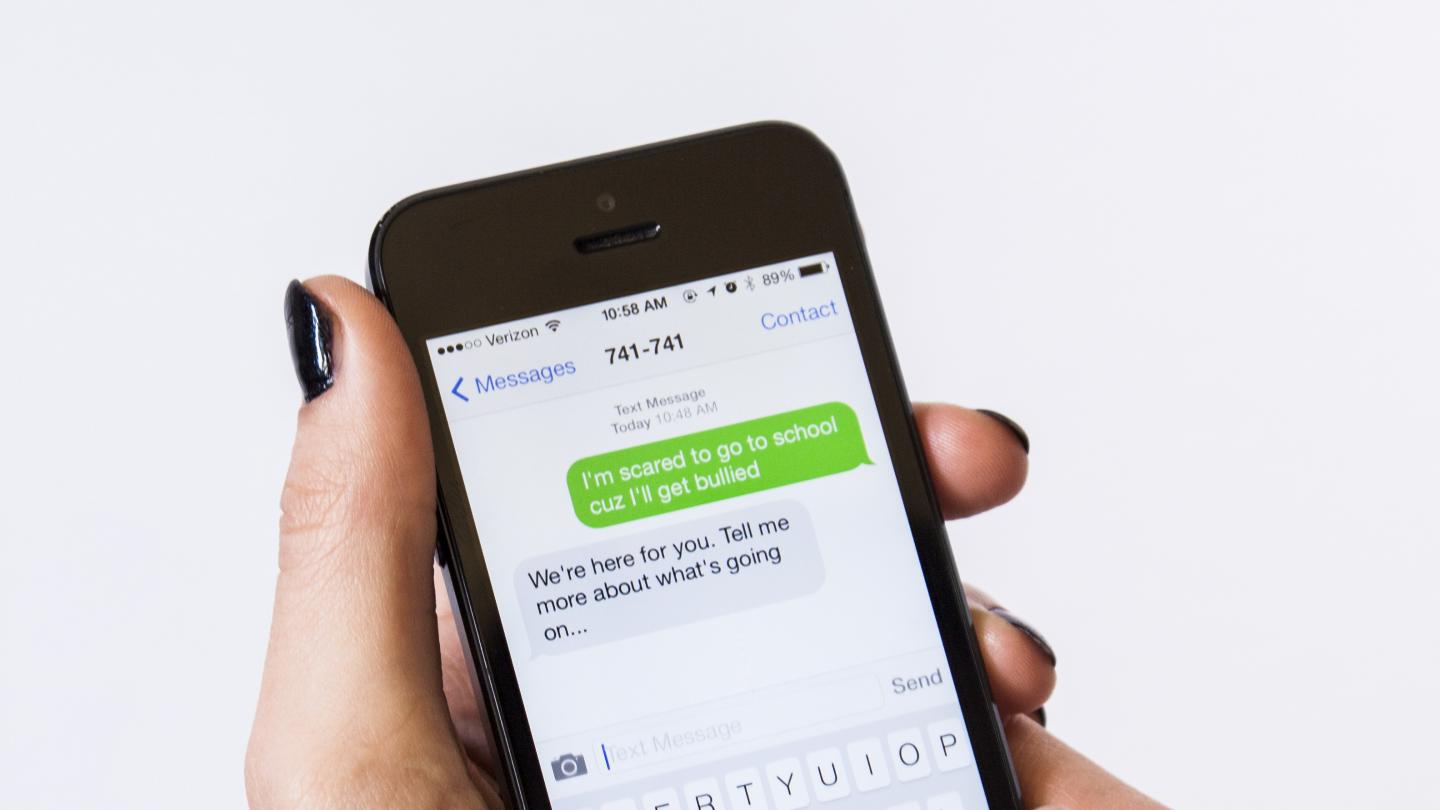
Answering text messages to a crisis hotline is different from handling customer-service calls: You don’t want counselors to answer folks in the order their messages were received. You want them to take the people in greatest distress first.
Crisis Text Line, a charity that provides counseling by text message, uses sophisticated data analysis to predict how serious the conversations are likely to be and ranks them by severity. Using an algorithm to automate triage ensures that people in crisis get help fast — with an unexpected side benefit for other texters contacting the hotline: shorter wait times.
When the nonprofit started in 2013, deciding which messages to take first was much more old-school. Counselors had to read all the messages in the queue and make a gut-level decision on which person was most in need of help.
“It was slow,” says Bob Filbin, the organization’s chief data scientist.
To solve the problem, Mr. Filbin and his colleagues used past messages to the hotline to create an algorithm that analyzes the language used in incoming messages and ranks them in order of predicted severity.
And it’s working. Since the algorithm went live on the platform, messages it marked as severe — code orange — led to conversations that were six times more likely to include thoughts of suicide or self-harm than exchanges started by other texts that weren’t marked code orange, and nine times more likely to have resulted in the counselor contacting emergency services to intervene in a suicide attempt.
Counselors don’t even see the queue of waiting texts anymore. They just click a button marked “Help Another Texter,” and the system connects them to the person whose message has been marked most urgent.
“That takes the pressure off the counselor,” says Mr. Filbin.
An unexpected benefit: Because the staff doesn’t have to read through all the waiting text messages, it cut overall wait times by roughly 30 percent.
Says Mr. Filbin: “The amazing thing is not only are we getting to our highest-need texters faster, we are actually seeing average wait times decrease in our system.”