
Activating Change Inside Higher Ed
February 26, 2019 | Read Time: 6 minutes

Desire, but no plan
You’re in a trough in your career. The job is fine. It’s in an industry you love, with people you love, but it’s entry-level (again), and you work for someone you don’t respect. You’ve always abhorred suits, and there’s no “climbing” that looks compelling. You’re stuck.
So you do as many do: You apply to business school. You suffer the GMAT gauntlet, visit several schools, and pick the one that fits best (after all, the Babson admissions officer gave you a fist bump).
You arrive with heaps of desire, but no plan. You know what you care about but don’t see how to turn it into a career. You just keep holding onto what you believe: the possibility surrounding stories of leaders like Ray Anderson, Anita Roddick, and Gary Hirshberg; the possibility of what business can do for good.
Building brand
In the cracks between piles of homework, you notice you’re spending a lot of time studying food. You attend conferences, watch TED Talks, and read periodicals. All of this is beyond Babson. There is no food program at Babson.
For fun, you organize a panel discussion on sustainable food. You throw yourself into organizing it: recruit students to evangelize; design marketing materials; land some brand names to speak; and then . . . more than 100 people show up to listen.
You can’t believe it. Within Babson, you’re known as “the food person” — the one hyperfocused on the sustainable food movement — even though you have no food industry experience. But it’s not only students and faculty in the room. People from the Boston food community come too.
You have no business in the business of food, but you have huge desire. So you build a brand with that. And you hope that, over time, it will be enough to land you a job in food.
Embracing help
It doesn’t work. You can’t manage to get a summer internship in the food industry. Not even working for free. Despondent, you take something else and use the summer to lick your wounds and rethink.
You come back second year with a plan: Conduct independent research and use academic engagement to get food companies’ attention. Who on the faculty knows food companies? Several professors say “Cheryl Kiser,” who you learn is the executive director of The Lewis Institute at Babson. You’ve heard of it. And you’ve heard that Cheryl knows a lot of business executives.
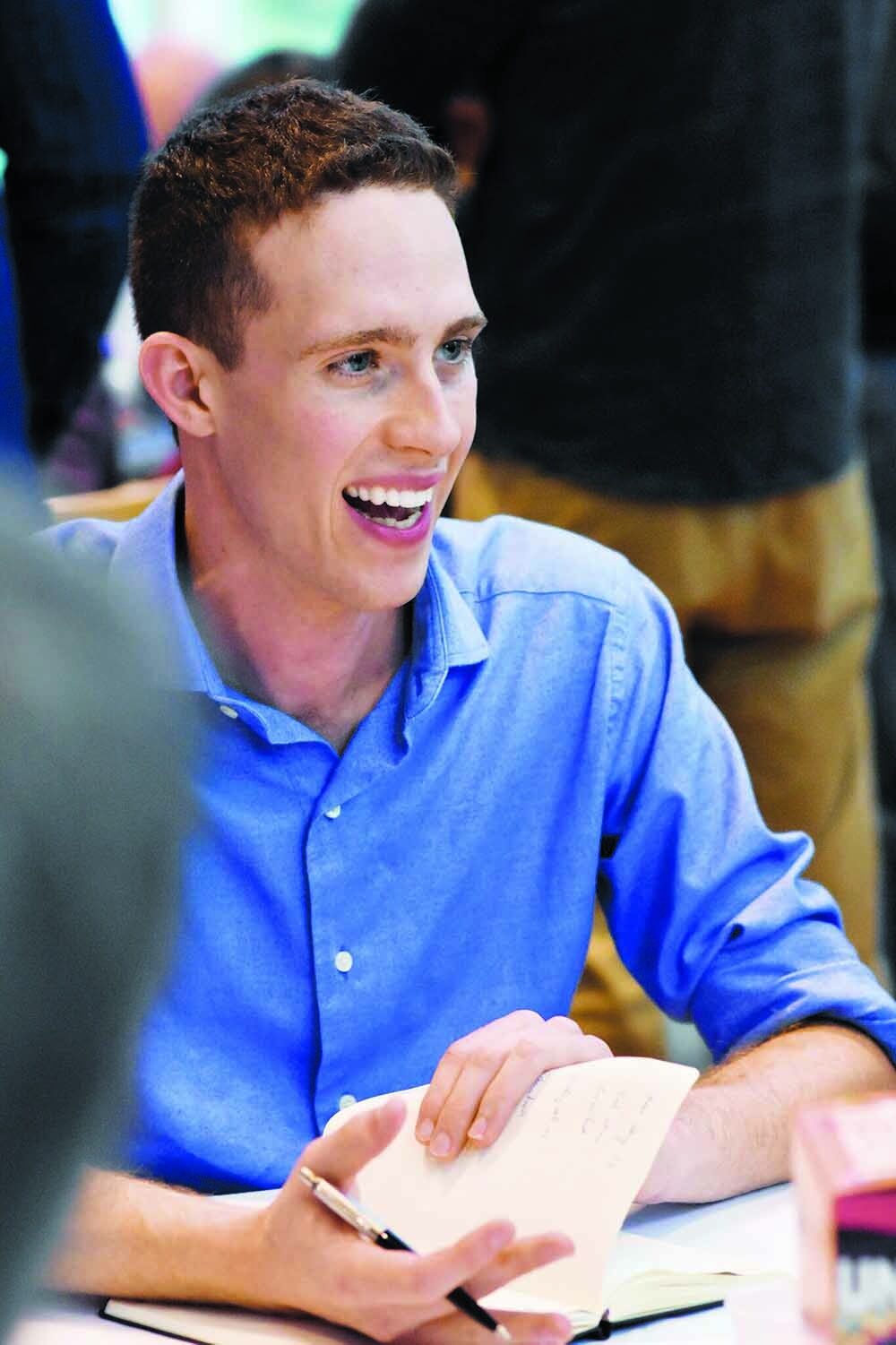
Turns out Cheryl was at your panel discussion and was impressed. So when you ask her to be your faculty advisor, she agrees instantly. Quickly, what began as a simple project pivots into something bigger: the notion of a food program — an “action tank” for food entrepreneurs — at Babson.
“Rather than work inside just one company,” Cheryl says, “you could engage with and influence many.”
It sounds incredible, but you have no blueprint for this. You have no idea what it could or should look like. You’ve never worked in academia. You don’t know how academia works.
It’s thrilling and terrifying. You ride the infectious optimism of your mentor and champion, who seems to be able to see things clearly that aren’t actually there. Yet. You keep listening to her and following her lead. You keep believing.
Right from the start
Turns out to be sound strategy. Cheryl reports directly to then-President Len Schlesinger. When you visit Cheryl’s office, you’re up on the president’s floor.
The first time you pitch the idea of Food Sol to Len, he says “Wait, are you asking me for a job? You don’t ever have to sell yourself to me. I know who you are.”
It’s a shot in the arm, but only momentarily. Early attempts to raise money for Food Sol fall through. The most promising one eventually reveals a massive misalignment of vision. You pronounce a clear “No” and walk away from the table. It feels reckless, but you know your vision. (As you tell your students all the time, “Why be an entrepreneur if you’re going to agree to things you don’t want? It’s harrowing enough as it is. You might as well love the path.”)
Eventually, through an introduction from Len, you and Cheryl get the chance to pitch a possible investor, who agrees to seed-fund Food Sol’s start. He’s an entrepreneur. He invests in vision and people. You fit.
Seven years later, your seed-funder and others are still with you. Food Sol has become a recognized and significant differentiator for Babson. Each year, more MBA candidates name Food Sol in their applications or interviews as a reason they want to come to Babson. Food Sol has put Babson on the map for food education and entrepreneurship.
Paying it forward
Now, in addition to Food Sol, you teach a course in food entrepreneurship in the graduate school — designed to serve people like you: people who want to create something for the world through the tools of business, food, and agriculture. And in the spring of 2019, you guide a senior undergraduate named Lydia Stetson ’19 — whom you have mentored, championed, made connections for, and written recommendations for since she was a first year — in designing her own course on the restaurant business. (The Senior Seminar is a quintessentially Babson design wherein select seniors teach six-week, non-credit-bearing courses to their peers.) Both your and Lydia’s courses are fully enrolled.
Just as with Lydia, you use your time, expertise, and growing network to help all your students — one at a time, in a radically customized fashion. You remember all that Cheryl did for you. You want to help create such breadcrumb trails for others.
You host monthly gatherings (called Community Table) in four cities around the region to connect students and food professionals in meaningful ways. It all stemmed from that first panel: a desire to build a food network.
Your job is incredible. You work in an industry you love, with people you love. You work for someone you deeply respect. You are a leader and influencer and teacher. You get to help students find or build their paths. You connect with and influence many food companies and investors. What could be better?
Learn more: www.babson.edu/foodsol