

October 30, 2023 | Read Time: 4 minutes
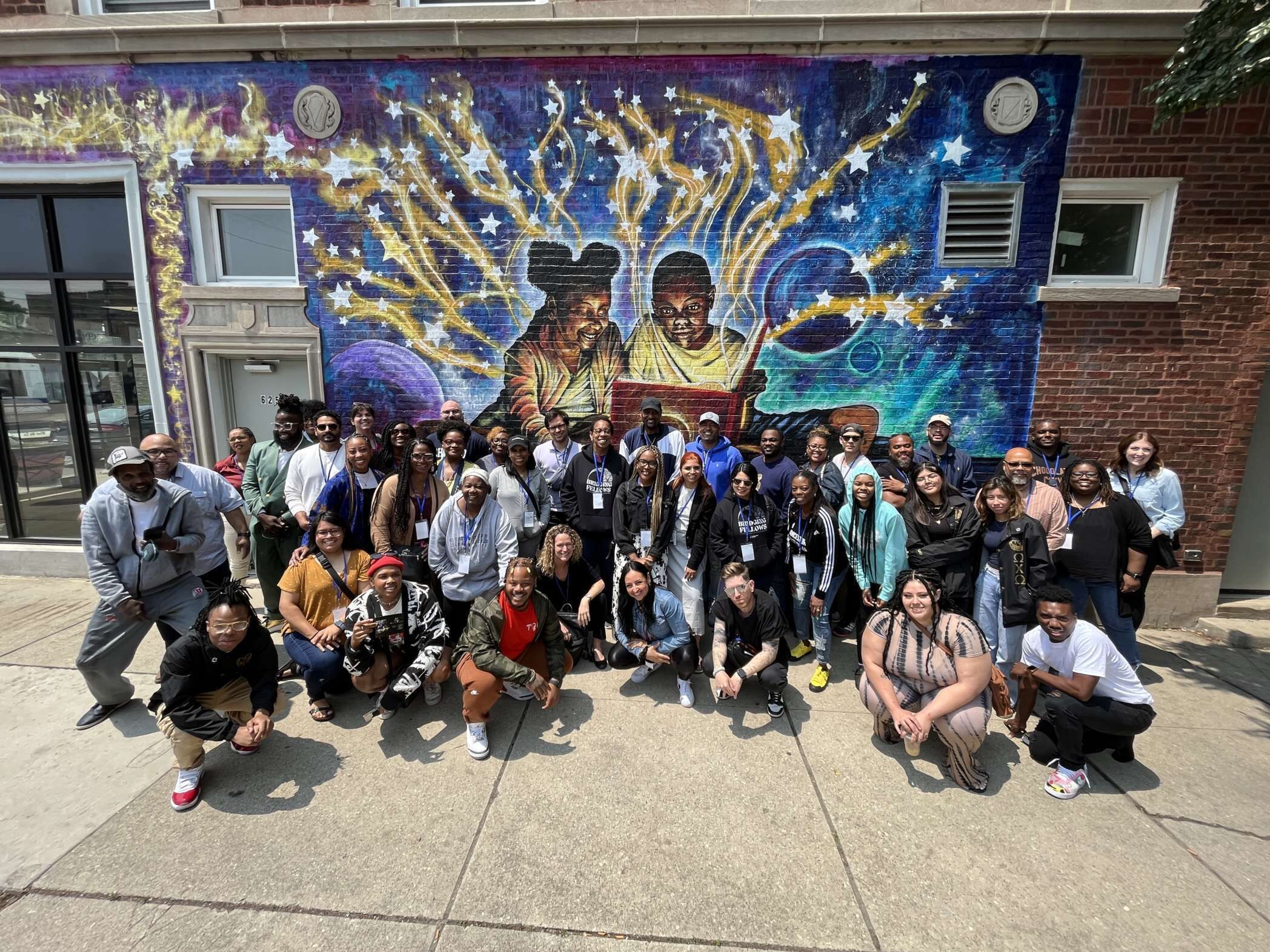
Independent Sector’s Bridging Fellows program, supported by IS Member Walmart, offers community leaders space, skills, and resources needed to socialize and embed bridge building as a core competency in their organizations and communities. Intended for leaders whose work places local communities at the core, the program focuses on bridging specific areas of division, including ideological, racial, socioeconomic, and geographical.
We live in a diverse and complex world, where people have different backgrounds, beliefs, values, and perspectives. While this diversity can enrich our lives and broaden our horizons, it can also create challenges and conflicts when we interact with others who are different from us. How can we bridge the gaps that divide us and foster a sense of understanding, respect, and cooperation?
Bridging is a term that refers to the process of building connections across differences. It involves recognizing and appreciating the commonalities and differences that exist among people, groups, or cultures, and finding ways to communicate, collaborate, and learn from each other. Bridging can help us overcome stereotypes, prejudices, and biases that may hinder our relationships and interactions. It can also help us develop empathy, compassion, and curiosity for others who may have different experiences, opinions, or perspectives.

Bridging is not about ignoring or erasing our differences, nor is it about compromising or conforming to others. Rather, it is about acknowledging and embracing our diversity as a source of strength and richness. It is about creating spaces where everyone feels welcome, valued, and heard. It is about finding common ground and shared goals that can unite us and inspire us to work and network together for the common good. As members of the Bridging Fellows cohort, we utilized this fellowship to build and strengthen our networks with people in other states and communities who are fighting the same fight as we are. We all wanted to learn other ways we could be the best agents of change that we could be.
Why do we need bridging as a society?
Bridging is essential to create a more inclusive, peaceful, and sustainable society. In our technology-based world, we are constantly exposed to different ideas, information, and influences. Bridging can help us navigate the complexity and uncertainty that we face daily. It can help us develop critical thinking skills and cultural awareness that can enable us to understand ourselves and others better. Bridging can also help us foster social cohesion and civic engagement that can empower us to participate in democratic processes and social change.
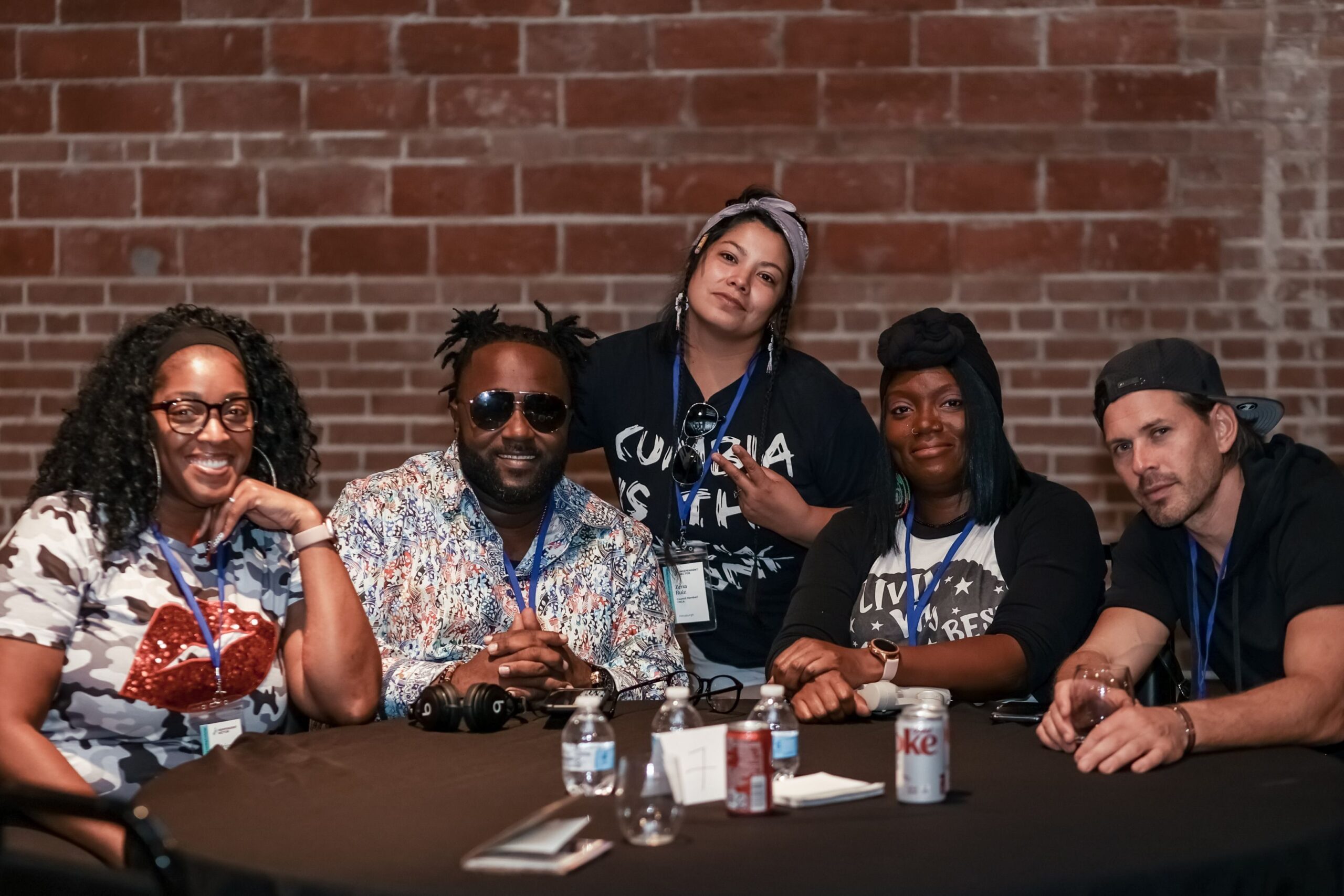
Bridging benefits us on a personal level, as well. By connecting with others who are different from us, we can expand our knowledge, perspectives, and experiences. Being a part of the Bridging Fellows cohort, which is comprised of 40 people from Dallas, TX, Pittsburgh, PA, and Chicago, IL-has truly brought bridging into better perspective for all of us. We learned ways to enrich our creativity, innovation, and problem-solving skills by learning from diverse sources of inspiration and insight. Moreover, we also enhanced our well-being and happiness by cultivating positive relationships and a sense of belonging with others.
How can we practice bridging in our everyday lives?
Bridging is not something that happens automatically or easily. It requires intentionality, effort, and practice. Here are some tips on how to practice bridging in our everyday lives:
- Be curious: Approach others with an open mind and a genuine interest in learning from them. Ask questions that invite them to share their stories, experiences, opinions, or perspectives. Listen actively and attentively to what they have to say.
- Be respectful: Treat others with dignity and kindness. Acknowledge their feelings, needs, and values. Avoid making assumptions or judgments about them based on their appearance, identity, or background. Respect their choices and preferences.
- Be empathetic: Try to put yourself in their shoes and imagine how they feel or think. Express your understanding and compassion for their situation or point of view. Validate their emotions and concerns.
- Be humble: Recognize your own limitations and biases. Admit when you don’t know something or when you make a mistake. Be willing to learn from others and appreciate their feedback. Seek out different sources of information and perspectives that challenge your own.
- Be collaborative: Seek out opportunities to work with others who are different from you on projects or causes that you care about. Identify your common interests and goals that can motivate you to cooperate. Appreciate the contributions and strengths that each person brings to the team.
- Be creative: Explore new ways of expressing yourself or solving problems by drawing from diverse sources of inspiration and insight. Experiment with different methods or tools that can help you communicate or collaborate better with others. Celebrate the diversity of ideas and solutions that emerge from bridging.
Bridging is a skill and technique we can all learn and practice in our everyday lives. By bridging across differences, we can create more meaningful connections with others who are different from us.