
COVID-19 and the Unhealthy Relationship Between the Givers and the Doers
Paid for and created by

October 1, 2020 | Read Time: 5 minutes
Our communities, our families, and our institutions are all absorbed in this historical moment. Forever the realist, I question the destiny of our attempts to correct the results and legacies of racial hierarchies and capitalism and injustice in communities we serve. I wonder whether this fight for true American values to prevail will overcome the nature of our country’s more sinister angels.
Even before COVID-19, the systems the public relied on for education, health, shelter, and protection weren’t delivering. Most of the institutions we are aligned with as part of the nonprofit sector have missions that grew out of the critical need to reform and address the gaps in these systems.
COVID-19 has made our efforts and missions as social changemakers and advocates for those in need, even more challenging to realize. It seems like every day there’s another blow to the soul of the work that we do.
For me, it’s the unconscionable deaths of unarmed Americans at the hands of law enforcement. It’s the domestic threats to our country’s federal agencies and operations, too. And it’s certainly the spiritual disconnect and divide between leaders and our communities most vulnerable and seemingly “least valuable.”
But as above, so below. With love, I’m saying we’d be naive to think this divide isn’t present and not happening in our eco-systems of philanthropy, community, and giving.
In the “towny” community of Hazelwood in Pittsburgh, Pa., I lead the Morning Star Collaborative. Our mission is to support regenerative neighborhood development through ecological, productive education, culture, and community organizing. We support and empower residents to contribute their knowledge, skills, and resources to the restoration and self-sufficiency of our community. Our approach to social community development transformation is imaginative, responsive, holistic, and emergent.
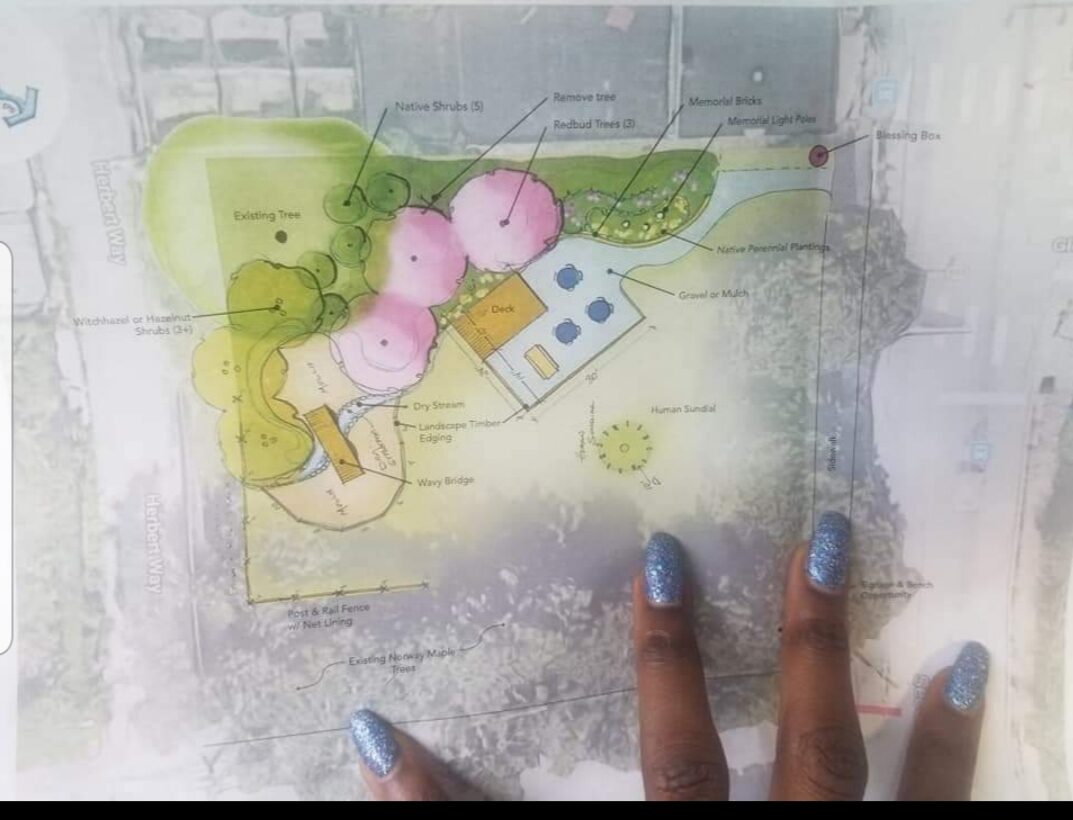
When it comes to receiving sustained support and investment for our collaborative, our colorful approach to community transformation usually goes undervalued and unfunded. We are often diminished by those with the power to make neighborhood projects happen. It’s clear to me that some institutions and foundation program officers are blind to how their provisions around grant funding are tied to the same legacies of racial injustice, capitalism, and oppression they’ve been established to abolish.
What does this look like? The “prove first, fund later” mentality. It looks like organizations feeling pressured to trade in their pedagogy for community transformation for something more aligned with what your foundation is “more comfortable” in funding. Something “recognizable” to foundation board members.
It looks like grantees having to “operationalize” their support structures in serving their communities that they’re already the experts in. It’s reminiscent of colonialism, ya’ll. And it’s unfortunately the standard set for the system we’re forced to work in as doers in relationship with the givers in our foundation and community ecosystem.
This way of operating may make funders feel more confident in the success of their investments, but it kills the spirit of the visionaries who are called to play a role in transforming their communities from the inside out.
So how do we fix this? How do we deal with the power foundations have to edit what communities want for themselves? My recommendation? Ask yourself: How can we stop trying to change the theme of the cuisine communities are serving us?
Think about it: What do you think would happen if you patronized a McDonald’s and suggested they deep fry their burgers or grill their fries?
A few years ago, I was told by a foundation program officer that although a project proposal I submitted for an elevated peer review was along the lines of “MacArthur Genius grant thinking,” the project would stand a greater chance of support if I shifted my ask to a future phase of the initiative.
I didn’t need their support in the future phase of work. I needed their help early in the development to get the project off the ground.
Can we begin to distinguish between helping out where we’ve asked and helping out where you want?
In a post pandemic world, I hope our philanthropic, doer-giver ecosystem grows less fearful of seeding innovative ideas that come out of communities they hope to serve versus the projects and proposals that resemble more of what we’ve already seen.
The people in neighborhoods and towns that are perpetually in need of education, mentoring, re-entry assistance, mental health support, poverty management, and housing programs are all going to need philanthropic institutions to show up having already completed a level of radical reflection that checks that inherent privilege, elitism, and legacy in colonialism.
Community-based nonprofits are going to need foundations to trust their expertise and experimental approaches to reform. Trust their visions for themselves first and always.
Foundations are powerful institutions. They are also organizations made up of individual changemakers working together. I see the potential they have to stretch beyond the traditional operations and funding models to invest in neighborhood-strengthening initiatives and programs. They can choose to be led by them too.
Hear from Jourdan Hicks and other community-based leaders on how they’ve navigated the pandemic during Upswell October 14-16. Learn more at upswell.org.
Jourdan Hicks is a creative consultant and community organizer in the Hazelwood neighborhood of Pittsburgh and community correspondent for PublicSource, the only nonprofit digital-first news organization delivering public-service reporting and analysis in the Pittsburgh region.