

September 29, 2020 | Read Time: 6 minutes
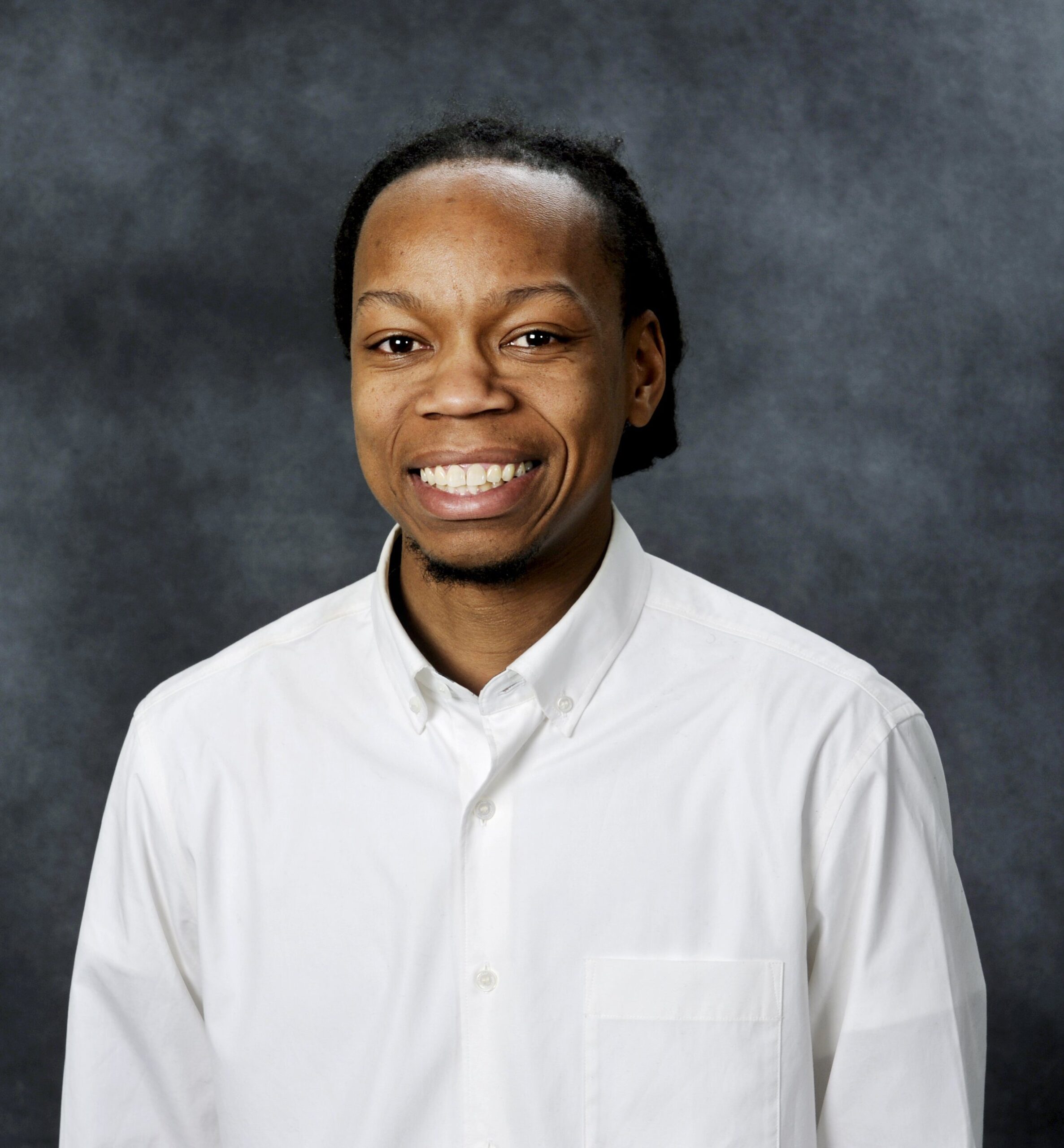
As a young man, Kevin McNair knew that his perception of his path was holding him back from greatness. And that he wasn’t alone.
The North Carolina native took a winding road to get to Pittsburgh but once there, a college course at Slippery Rock University and a fellowship in a Pittsburgh high school helped him see that nonprofit work could help him help other young Black men just like himself. The death of his cousin in his formative years also helped shape his desire to see his legacy as interrupting what he called “roads to ruin” for young Black men in this country.
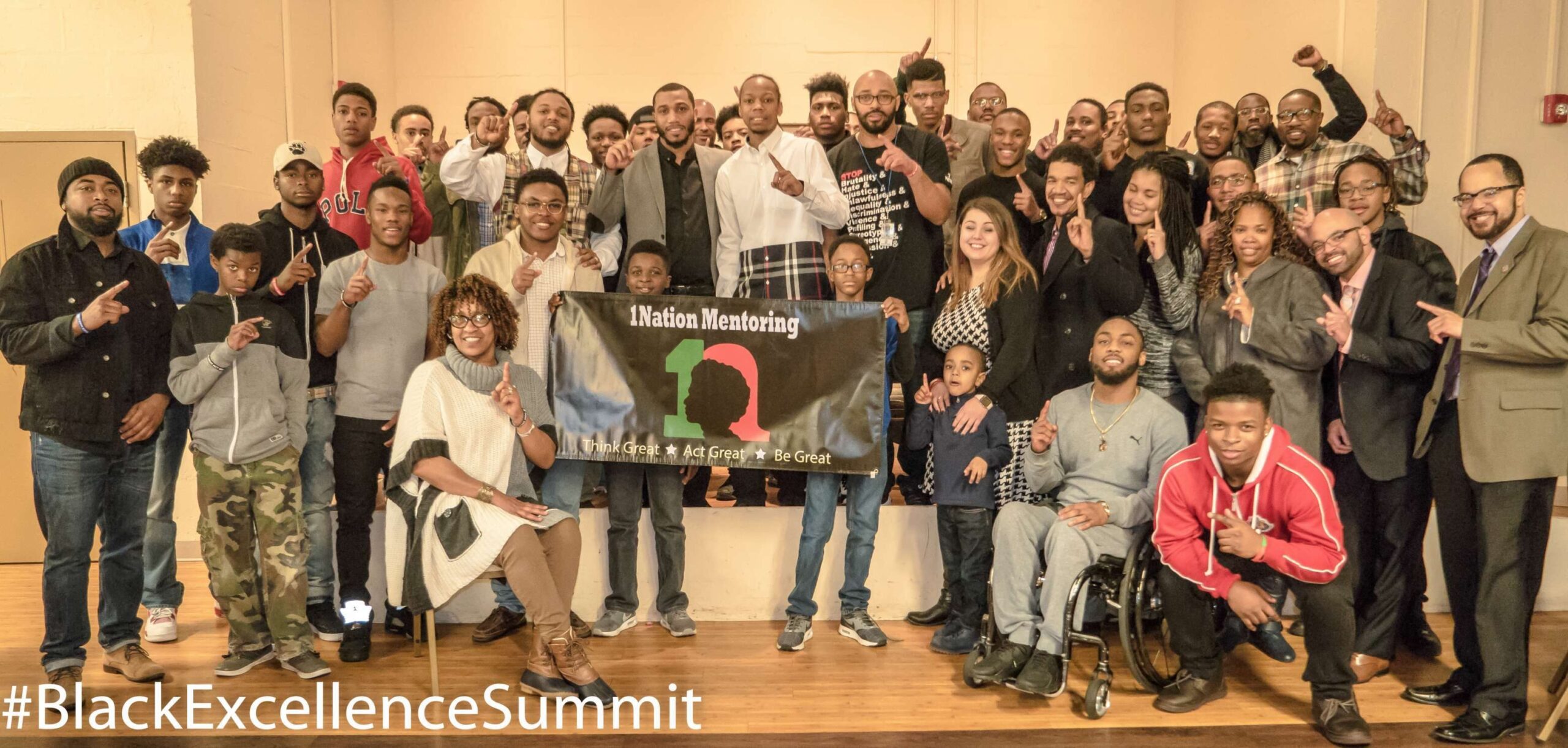
McNair founded Pittsburgh-based 1Nation Mentoring with Lloyd Cheatom and Sam Morant in 2015. Their vision was to become a premier mentoring program which uses a holistic approach to positively impact the youth and their communities. All three founders who previously worked in the public-school system through a Heinz Endowments fellowship witnessed that there was a clear disconnect with young Black male students and their experiences in the schools and community. 1Nation’s mission was to serve Black youth, and through their work, cultivate leadership, empower positive behavior, and promote healthy life decisions.
While COVID-19 and heightened unrest due to publicized police shootings has dramatically interrupted most nonprofit organizations, McNair acknowledged his positivity about this year may surprise people. “It has been crazy and amazing,” he said.
In the early days of the COVID-19 pandemic as the city was shutting down around him, McNair said 1Nation was very concerned about survival. They typically rely on the school buildings and resources to do their work. Before COVID-19, 1Nation operated in Brashear High School and Sister Thea Bowman Catholic Academy in Pittsburgh. Closing the schools cut off an important source of funding and the safe place that kids needed to meet and get the resources they needed. In the immediate aftermath of the closures, 1Nation focused on the necessities – food and personal protective equipment (PPE).
McNair gave credit to the strong foundation presence in Pittsburgh, such as the Heinz Endowments, Pittsburgh Foundation, and the Staunton Farm Foundation, which he says have really stepped up to ensure direct service organizations like his continue operations despite interruptions in their regular funding sources.
It was all about finding innovative ways to support our kids, said McNair.
So how do they do this when no one can meet in person? Video games.
At the beginning of the pandemic, McNair said they worked with funders to provide devices and internet to the kids who did not have that in their homes. The mentees, or Kings, as 1Nation regularly calls them, used Zoom and other video calling apps to check in with each other. McNair soon realized that he had to find a new way of meeting the young men where they were. Instead of school hallways and gymnasiums, McNair started playing video games such as NBA2K and Call of Duty. Through the chat function native to the games, he checked in on the Kings and slowly they opened up, asked questions, and sought out the support they needed during this time.
Shortly after the organization was founded, McNair said that mentoring alone was not enough. We realized we had begun to coach our students in multiple areas of their lives. McNair emphasized the importance of wrap-around services for the families. In addition to providing direct support to the students, 1Nation ensures parents, guardians, or siblings get the support they need. Even during the pandemic, the organization did what it has done since its founding: shift and adapt to the needs of the student.
Now they provide “character coaches,” to support students, families, and school staff by modeling positive interactions, managing class transition periods, providing intensive support through individual or group sessions, and assessing the cultural health of the community. These services are designed to build and develop the spectrum of social-emotional skills for students, and to activate the empowerment of parents to be equitable partners with school staff in responding to the needs of their students and the needs of the school.
Even during COVID, that work continues. McNair has even started exploring innovative ways to help with food insecurity, like in-home gardens that can be given to Kings and their families to ensure that they could grow their own food indoors. He’s always online searching for the latest tool that can help the families and youth he serves have a leg up in every situation.
McNair’s positive attitude is proof that the world will continue changing and he’ll still be here, helping Black youth get what they need.
“I know the world is evolving and I know the world will never go back to normal,” he said.
But what keeps him up at night is not so much how to get through the rest of 2020, but what might happen once the emergency nature of funding fades in 2021. He said the rules around social distancing and the particular risk for older people during this pandemic might make it harder to meet program officers and new funders that may be necessary to keep the work going beyond the next year.
“The reality is only 3% of foundation spending goes to Black-led organizations and it’s never enough,” he said.
McNair said that even in what has been a year full of change and adaptation, he is proud of what he’s done for youth in Pittsburgh. He said he’s inspired men to “trust themselves.” McNair said Kings from his programs have gone on to become activists, entrepreneurs, executive level professionals, artists, fashion designers, and more.
One man who experienced this first-hand is Arabo Bey, 19, a sophomore at Indiana University and graduate of Brashear High School. He said the mentors at 1Nation provided guidance, advice, and structure that he needed as a self-described 16-year-old “knucklehead.”
Bey said he learned the importance of planning for college and gaining skills like networking with others in your field, and the emotional intelligence skills that you don’t typically learn in other environments.
“Not everyone gets the opportunity,” Bey said. “I don’t like to see people in my circle down and so I want to uplift them. That is basically what ‘Brother Kev’ did all the time.”
Bey said his connection with the people he met at 1Nation is lifelong, saying that even this summer, he was playing video games, connecting with people from his hometown, and sharing advice on how to keep focus on physical and mental health during this pandemic.
“I know we could go a month without talking and still have that connection,” he said. “Even if we fell out, we have ways to get back on track. It’s a family relationship.”
For Bey and hundreds of other Black men in Pittsburgh, 1Nation helped them understand their mantra: Think Great. Act Great. Be Great. And a global pandemic isn’t slowing anyone down.
Hear from Kevin McNair of 1Nation Mentoring and other community-based leaders on how they’ve navigated the pandemic during Upswell October 14-16. Learn more at upswell.org.
Kristina Gawrgy Campbell is the vice president of communications and marketing at Independent Sector, the only national membership organization that brings together a diverse community of changemakers at nonprofits, foundations, and corporate giving programs working to strengthen civil society and ensure all people in the United States thrive.