
Overcoming the Hurdles to our Humanity
Bridging the obstacles that divide us starts with caring, connection, and community
Paid for and created by

February 7, 2023 | Read Time: 6 minutes
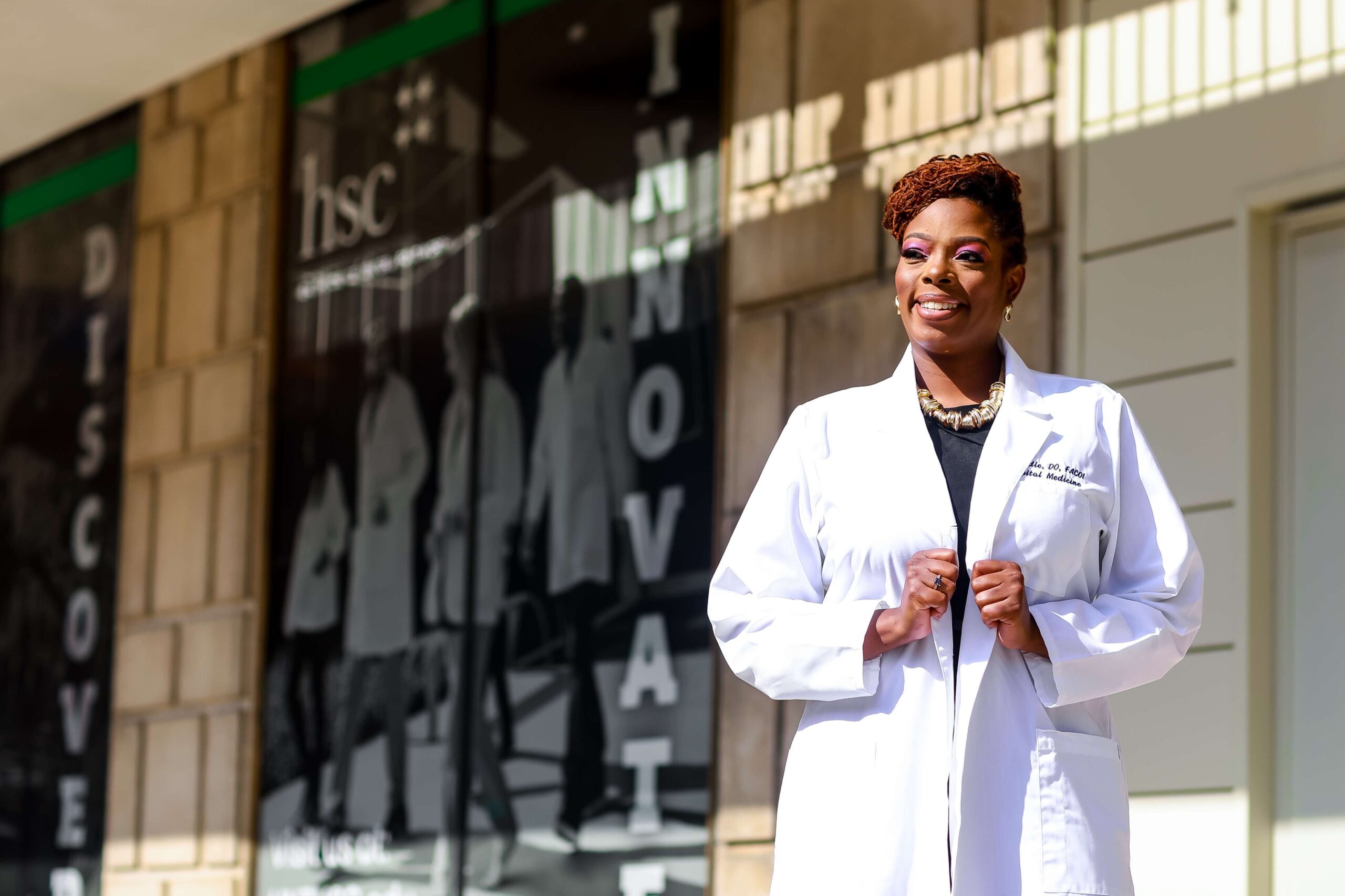
Independent Sector’s Bridging Fellows program, supported by Walmart, offers community leaders space, skills, and resources needed to socialize and embed bridge building as a core competency in their organizations and communities. Intended for leaders whose work places local communities at the core, the program focuses on bridging specific areas of division, including ideological, racial, socioeconomic, and geographical.
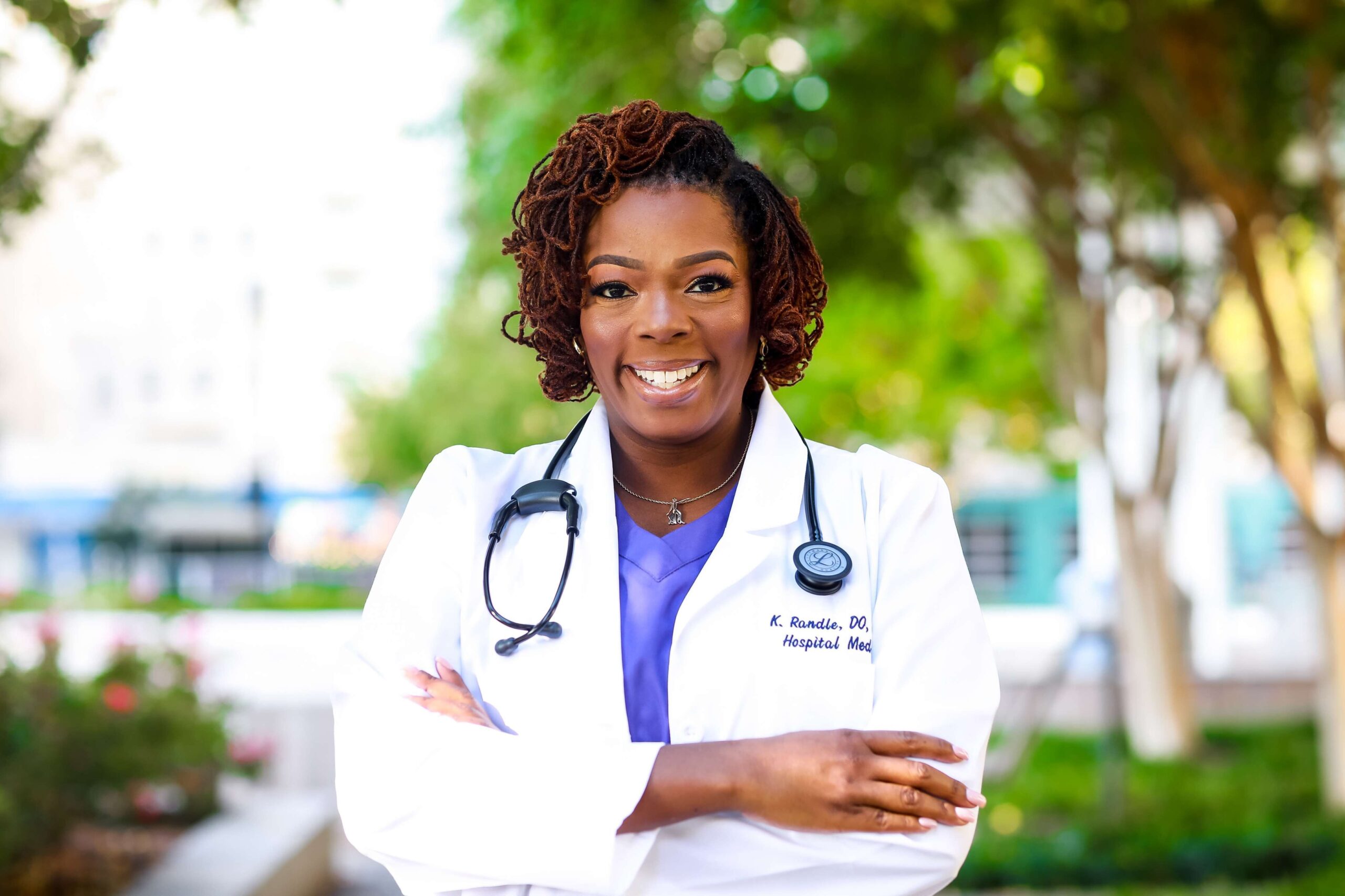
As a physician, my job is to work to improve people’s lives. Finding successful outcomes to health challenges often means overcoming a series of hurdles. An individual’s ability to heal starts with me as their provider understanding the whole picture. While I’m intrigued by the challenge, and it is why I got into medicine in the first place, my interest in solving complicated problems doesn’t end with my patients in the hospital. I also have a great desire to help the ills I see plaguing the health of our society, and some of the most glaring that I have witnessed, inside and outside of the hospital, are implicit bias and racism.
Implicit biases are those unconscious beliefs that we all have down deep. They can be defined as our reaction when we see someone different from ourselves. It may be someone who is obese, or physically handicapped, or has Down’s Syndrome, or is transgender or gay, or whose skin color is different than ours. Certainly, we’ve seen the divide that exists when religious or political beliefs differ from our own.
When we put people in the “other” category, we think about them in a different way because of certain stereotypes about each of these groups that we hold, and it begins to put us on a dangerous path. It is a perfect breeding ground for hate and intolerance. “Othering” is an attitude that proclaims that we are better than those others who are different than us. It can be spotted when individuals speak of a group of people as “them” versus “us.” Those references are laced in supremacy and project the message that we believe they are “less than.” It treats the other group as if they were alien and it communicates “you don’t belong here with us.”
It becomes the basis of the “isms” – systemic racism, sexism, ageism, classism, ableism. The “isms” are a set of terms that articulate the evolution of stereotypes that exist in our head. The “isms” and the phobias, such as homophobia, transphobia, and xenophobia, affect our attitudes, influence our decisions, and dictate our behavior. I attribute the “isms” and phobias as the birthplace of implicit bias.
When we act on the “isms” and phobias by othering we are “breaking,” which is a tendency to see others as a threat. When we see something that is unfamiliar to us, our first instinct is to be suspicious and feel threatened, which we have seen lead to ominous outcomes. On May 25, 2020, when George Floyd was murdered in Minneapolis, we saw what happened when othering created a hierarchy of power that not only enabled a situation where police killed him but stopped others from stepping in to halt the blatant brutality perpetrated against him on a city street in broad daylight.
Prejudice, discrimination, and racism are not new problems, and it may not be practical to uncover the root of how an individual’s bias formed. However, it is a reasonable starting place to find things that we do agree on. That’s what I do when I diagnose a patient. I look at their situation holistically to understand all the circumstances surrounding them – from lifestyle challenges to belief systems and daily habits that may affect how likely they are to follow their doctor’s care instructions. Then, I find common ground. They can’t remember to take their medication in the morning? Then I suggest they put their pill bottle by the coffee pot where they won’t miss it. For my patients who need to exercise more regularly, but somehow can’t find the time, I suggest they park at the far end of the parking lot at the grocery store entrance to get more steps in. I recommend they walk to the park with their grandchild rather than sitting and watching a movie together. Together we find ways to bridge the obstacles.
The same is true when tackling problems associated with implicit bias. In the world of healthcare, I’ve made it my mission to educate my colleagues about its dangerous implications. I do so by teaching workshops and speaking to groups about solving the unacknowledged biases that may be impeding their organizations. In this context we call it “bridging.” Bridging is about finding a common denominator upon which to agree and find empathy in order to solve problems. This approach to neutralizing our implicit bias is about finding what we can agree on to bridge our differences. You may not believe in an open border policy, but perhaps we can find common ground in the belief that all human beings have a right to live without the fear of persecution.
Othering, implicit bias, and racism are hurdles that impede our basic humanity. They are obstacles that a community must overcome to heal. Community personifies that we all are in this together and that we all have a stake in fostering a connection of care. It starts by understanding that we all yearn for a sense of belonging, which is essential to establishing community.
After the abhorrent violence committed against George Floyd, we saw community surface. In cities around the country and all over the world, people of every skin color, socioeconomic background, and religious belief marched to protest his death. There was an unspoken agreement among them to come together to move social justice efforts forward together. We saw a response that awakened many to something that has existed for centuries, but that many chose not to see or act upon. In a time of brokenness, we saw connection. We agreed that he, like the rest of us, deserved air to breathe and an unobstructed airway to life. We experienced bridging.
Bridging happens in big ways as we saw in the aftermath of Mr. Floyd’s murder. But, bridging also happens in small ways through organizations that take a conscious approach to improve their workplaces. Like a disease that we need to treat, implicit bias needs to be acknowledged by diagnosing that a problem exists in the first place. Then we need to come together in the spirit of community to establish how we solve our own prejudices that often seem too ingrained and too big to unravel.
Within your own communities and organizations, you can begin to overcome the hurdles of implicit bias by exploring the principles of bridging through:
- Acknowledgment. Recognize that implicit bias exists within your organization. Once acknowledged you can begin to address it.
- Education. Encourage those in your orbit to open their minds through reading about racism, sexism, homophobia, etc., to help them process their own feelings surrounding these uncomfortable subjects. Provide links to relevant books and articles.
- Promoting connections. Ask people to share their own implicit bias experiences. Bridging starts with being vulnerable and encouraging an open dialogue that prompts sincere conversations and creates genuine connections.
- Staying vigilant. Fighting the kernels of implicit bias means being continually aware. Hire an implicit bias expert to facilitate gatherings on how to find common ground amongst different groups.
The ideal outcome? Caring, connected, and compassionate communities where everyone feels they belong. Together, in our own little corners of the world, with a conscious effort to facilitate bridging one step at a time, I believe it can happen.