

November 26, 2018 | Read Time: 6 minutes
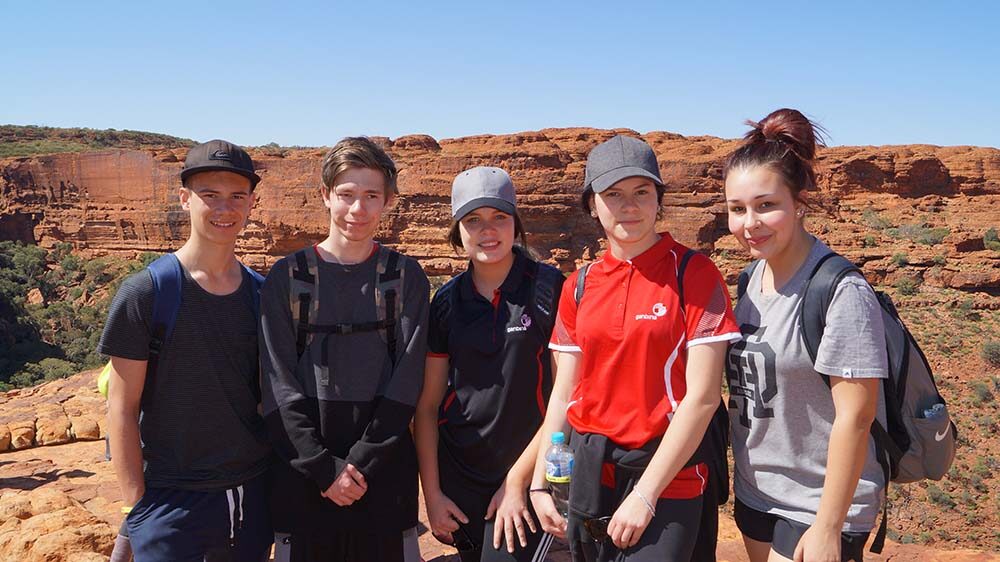
Australia is often referred to as “the lucky country” due to its continuous economic growth and the high standard of living enjoyed by the majority of its 24 million inhabitants. However, benefits of the developed world have largely failed to reach Australia’s Aboriginal population, a trend that is slowly but steadily changing under the direction of the commonwealth’s most successful indigenous school-to-work transition program, Ganbina.
Ganbina mentors young Aboriginal and Torres Strait Islander people – among the most disadvantaged and impoverished in the country – through educational opportunities, life-skills training and career guidance, empowering these communities to achieve social and economic equality with other Australians.
Helping indigenous populations lift themselves up is Ganbina’s goal, says Ganbina Chief Executive Officer Anthony Cavanagh. Designed as a two-generation approach in community building, Ganbina works to create aspirational excellence within the regions it serves. Organization officials are so confident in the model, they believe it can be expanded to additional Indigenous communities in Australia as well as other needful populations worldwide.
“It’s about helping these young people get an education, and the next generation after that when mom and dad are working after going through university,” says Cavanagh. “We’re creating a sustainable future for our community and our youth, who are then driving that change themselves.”
Ganbina – a word meaning “to rise up” in the Indigenous Yorta Yorta dialect – operates in Shepparton in the state of Victoria, graduating more than 1,100 would-be “agents of change” through its school-to-work effort since 2004, when the organization shifted its focus more heavily toward a holistic approach of transition in Education and through to Employment.
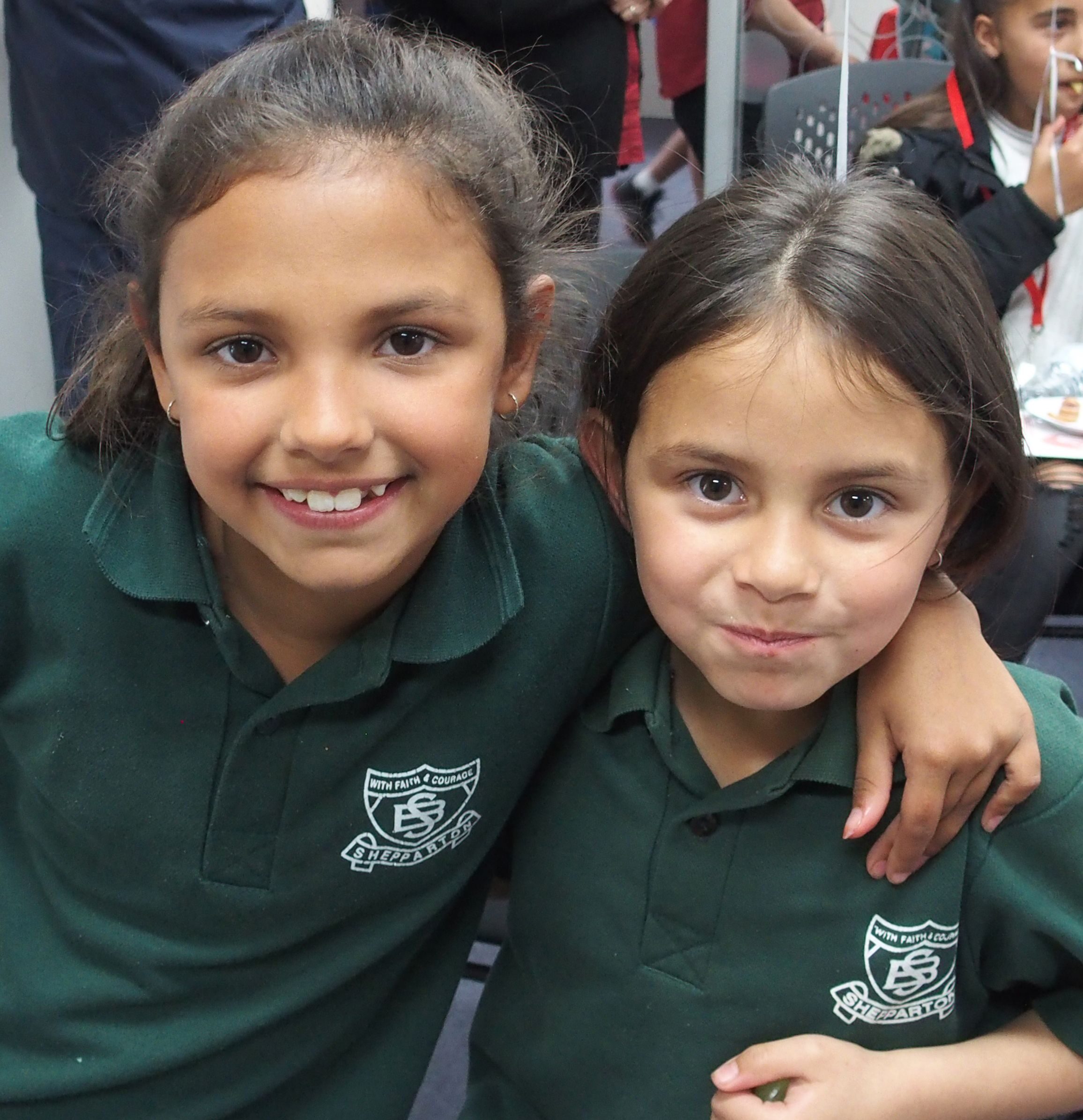
The initiative assists Indigenous people from the ages of six to 25, coupling one-on-one mentoring with life and work experience crucial to their development. Early education includes exploration of various work options and participation in industry tours, followed at a later point by long-term career-advancement training. Young learners are also given driving lessons and financial assistance through Scholarships towards school and work expenses, with all activities relying on an annual $1.5 million budget funded primarily by corporate and philanthropic sponsors.
“Early intervention is our primary focus, it’s pivotal to our mantra,” “Most government-funded programs are trying to fix something that’s broken. We won’t wait until our Children and Youth are broken and lost all hope, Cavanagh says.
Building an educational foundation
Despite reforms from the Australian government to reduce social and educational inequities among its Aboriginal people ̶ who represent 3 percent of the total population ̶ about half of the Indigenous population remains out of work, according to Ganbina. While educational outcomes have slightly improved, more than double the number of Indigenous Australians (38 percent) don’t finish high school compared with non-Indigenous inhabitants (14 percent).
Via the Ganbina JOBS4U2 model, the small country town of Shepparton has seen many Aboriginal youngsters embark upon lucrative careers after graduating from training institutions or universities. Where government programs emphasize the stopgap of job placement, Ganbina provides an educational foundation to help to prevent and eliminate long-term unemployment.
Widespread inequality in education, training, and employment has led to multigenerational joblessness and welfare dependency, a life that CEO Cavanagh knows well himself. A descendent of the Taungurung clan in northeast Victoria, Cavanagh was abandoned by his mother and homeless at age 13. Surrounded by family violence, drug and alcohol abuse, he lived in parks, under bridges and anywhere else he could find a modicum of safety.
“Education was my safe place, a place that I enjoyed, so I kept going to school,” says Cavanagh. “That was my one constant, and I knew when I had children they wouldn’t have the same life I did. Education is my passion and I was driven to ensure they’d have the best education as a parent you’d want your child to have.”
A Melbourne resident and father of two daughters, who both graduated high school, went off to university, and are now both in professional careers. Cavanagh himself joining Ganbina 5 years ago, after 25 years in various community and social services positions.
Spreading the word
Each year, upwards of 85 percent of program participants complete their education, training, or employment programming, creating the type of confident, educated, and skilled population upon which a community thrives. According to Cavanagh, graduates have moved onto careers in banking, healthcare, IT, law, and community service, demonstrating the importance of Ganbina’s “hand-up” methodology in creating an independent citizenry.
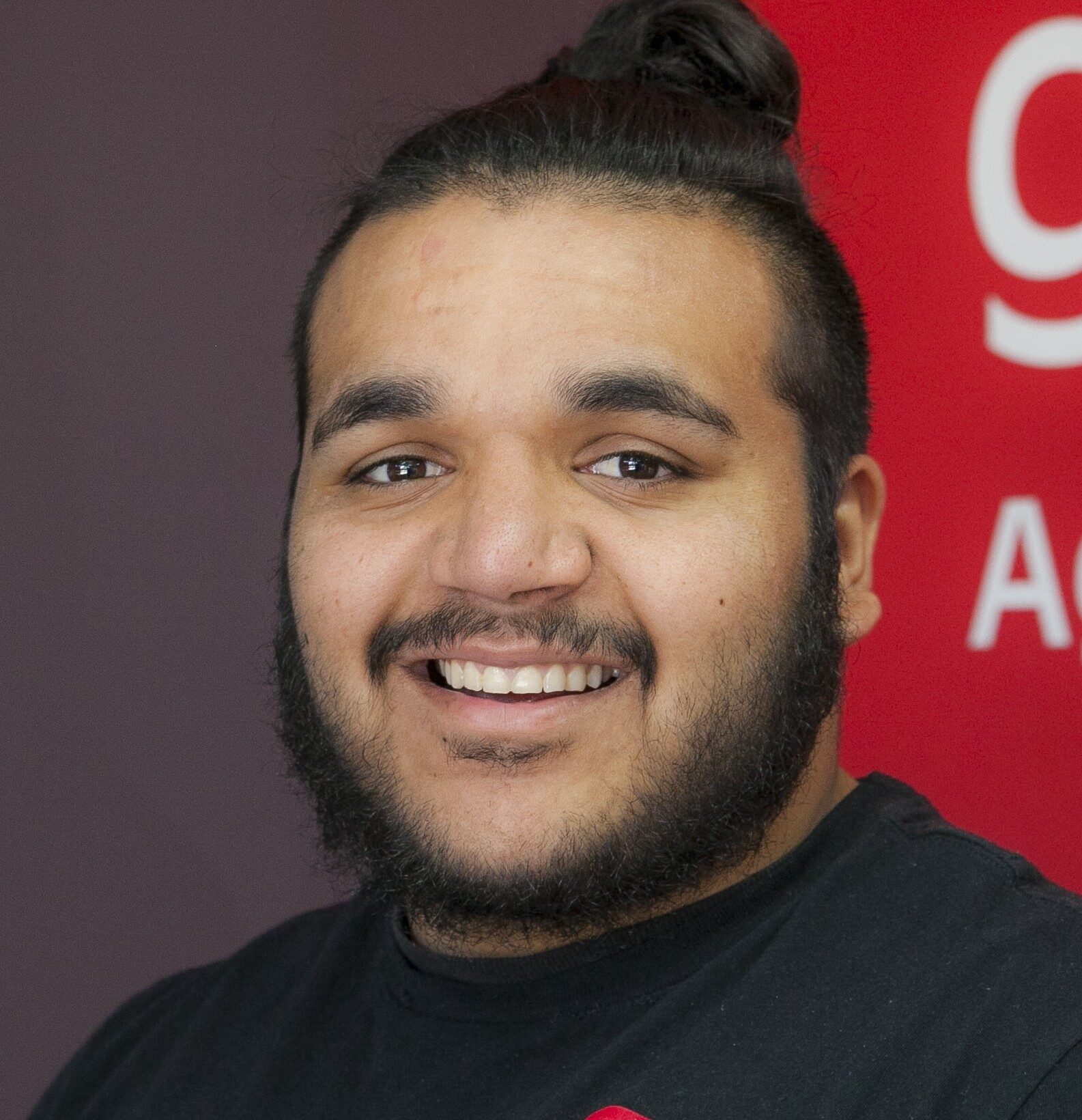
“The community expectation is for us to help, but “there’s got to be a level of commitment from our youth to create the best opportunities for themselves.” Our program is to empower, enable and inspire Indigenous Children and Youth to reach their individual potential” says Cavanagh
Ganbina’s JOBS4U2 model is getting international attention, in the past few years, receiving funding from a US based foundation, Newman’s Own Foundation through Rockefeller Philanthropies, sponsored Ganbina’s internationally recognized Youth Leadership program in 2015/16. A challenging future still lies ahead as the organization seeks to reach thousands of additional children across Australia. Cavanagh and his 10-person staff are currently pushing an expansion plan to share Ganbina’s methodology with other indigenous communities to enable them to deliver their own autonomous programs.
In practice, community groups would only adopt the components of Ganbina’s JOB4U2 model that best suited their particular populations. This pilot has commenced with two communities in Queensland now licensed and delivering elements of the program to their youth. Under the expansion blueprint, communities would have access to Ganbina’s model, assistance identifying potential funders, and up to five years of implementation support provided by Ganbina.
Cavanagh envisions Ganbina’s pilot initiatives spreading to seven more communities within the next three years and reaching upwards of 3100 indigenous children and youth. By 2030 it is planned that another 200 communities will be delivering the JOBS4U2 model across Australia. The project has also attracted interest from American, Canadian, and New Zealand based community organizations. “There’s no reason why our model could not be translated into any other community in the world,” Cavanagh says.
Though 90 percent of Ganbina’s partners have renewed their financial commitment multiple times, funding will always be a challenge for an organization that prefers self-sufficiency over government funding. Cavanagh presents to potential partners at philanthropic forums, underscoring a future when Ganbina will no longer be needed, as our job in creating sustainable futures for the Indigenous communities on the not so distant horizon will be complete.
“Then we will close our doors in 2043, as at the current rate of success we enjoy with the Shepparton Indigenous Community, our ‘agents of change’ will have led themselves to achieve true social and economic equality with other Australians, and they will understand the true meaning of Ganbina to ‘’Rise Up’’, above disadvantage and poverty.