
What we know and don’t do: Discussing race, identity, and personal stories in schools
Paid for and created by

July 29, 2022 | Read Time: 7 minutes
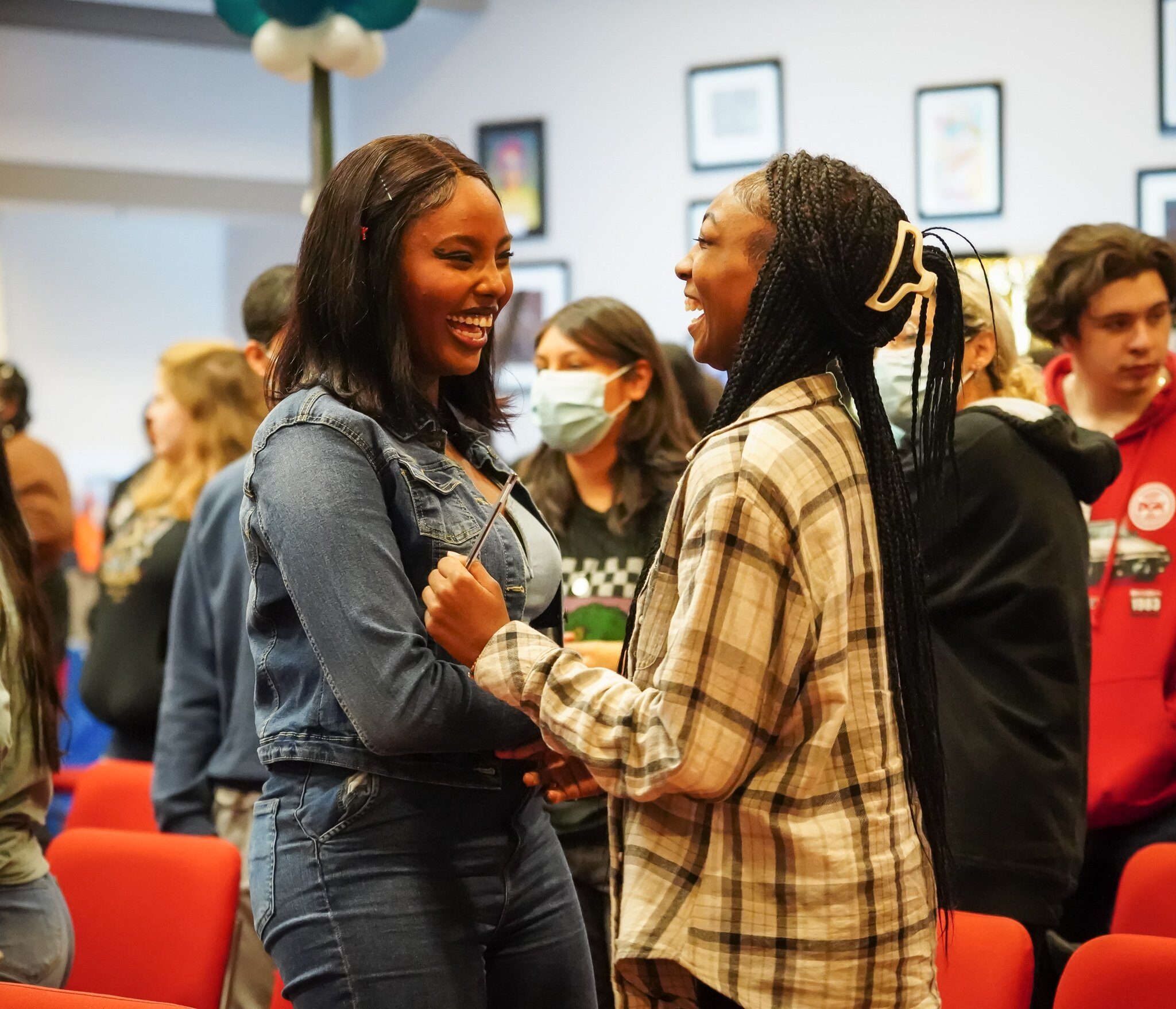
A recent report released by the Centers for Disease Control and Prevention (CDC) shares that “approximately one-third (35.6%) of U.S. high school students reported experiencing racism. Asian and Black students reported the highest levels of racist experiences at 63.9% and 55.2% respectively during the study’s focus from January–June 2021. This data shows a widespread and prevalent issue in schools and communities. That issue is racism.

As the CEO and co-founder of Young Leaders Strong City (YLSC), which works to educate, equip, and activate a community of youth prepared to realize their vision for racial justice and equity, this data comes as no surprise. But it also reflects a tremendous opportunity.
YLSC was founded in 2014 to equip students with knowledge and skills to advocate for change on issues related to race and identity. Over the past eight years, students have confided in our team seemingly minor to more extreme experiences of racism, microaggressions, and harmful humor that were often left unaddressed by their campuses. Students are often natural self-advocates.
An alumni of our program shared an incident where leading up to a big and much anticipated homecoming game, white students from the opposing school posted memes depicting a burning cross with their logo in the flames and members of the Ku Klux Klan bearing the other school’s logo in background. When Black students attempted to take action and address the harm because they didn’t feel that the administration was taking the issue seriously, the students found themselves in trouble. This is not unusual. Adding to the harm of racist incidents, students have confided that advocating for themselves often results in disciplinary action, despite having racist slurs or behavior committed against them. These incidents do not only involve students. Students leaked a homework assignment that depicted Kyle Rittenhouse as a hero alongside leaders like Frederick Douglass and Cesar Chavez. Students of color, students with disabilities, and students who identify as LGBTQ+ are having negative experiences based on race and identity with no redress.
These issues are not only harming students of color emotionally. These issues also have negative impacts on students’ ability to feel they belong on their campuses, result in over-disciplinary action, and have negative impacts on academic performance that could lead to disengagement, and in worst case scenarios, increased high school dropout rates.
The CDC confirms that “students who reported perceived racism had a higher prevalence of poor mental health (38.1%), difficulty concentrating, remembering, or making decisions (44.1%), and not feeling close to persons at school (40.7%).”
Viable solutions are possible to bridge the gap between the harm students are experiencing and the equitable, more inclusive schools and communities we want to create.
School districts, nonprofits, and employers that are invested in student performance and success must pay closer attention because student experiences with race and racism are directly connected to academic success and mental health.
To do this, we are charged to intentionally work toward reducing racism in schools, provide more culturally competent lesson plans, invest in educator and administrator competencies to address racism, and create spaces for students to discuss, process, and learn how to advocate for more equitable communities.
Any teenager you know, more than likely, can readily share stories of racism that have impacted them or their friends directly. In fact, despite claims or outdated beliefs that racism would ‘naturally’ die out with the younger generation, schools are more segregated, the racial wealth gap is growing, and mental health crisis issues among teenagers are at an all-time high.
A 2015 study found that 42% of youth of color experienced at least one discriminatory incident during their first year of high school. In addition, 64% of youth of color students said they experienced at least one “vicarious” discriminatory incident by the end of their first year, meaning they witnessed or heard about racist behavior. It’s worth noting that this number could be higher because data notes that students of color are less likely to name being threatened, hit, put down by peers, or having belongings forced from them, stolen, or damaged as racism or bullying.
These incidents must be addressed directly. However, we must ensure educators and administrators have training to be supportive, not IF racist incidents in classrooms and online will happen, but WHEN.
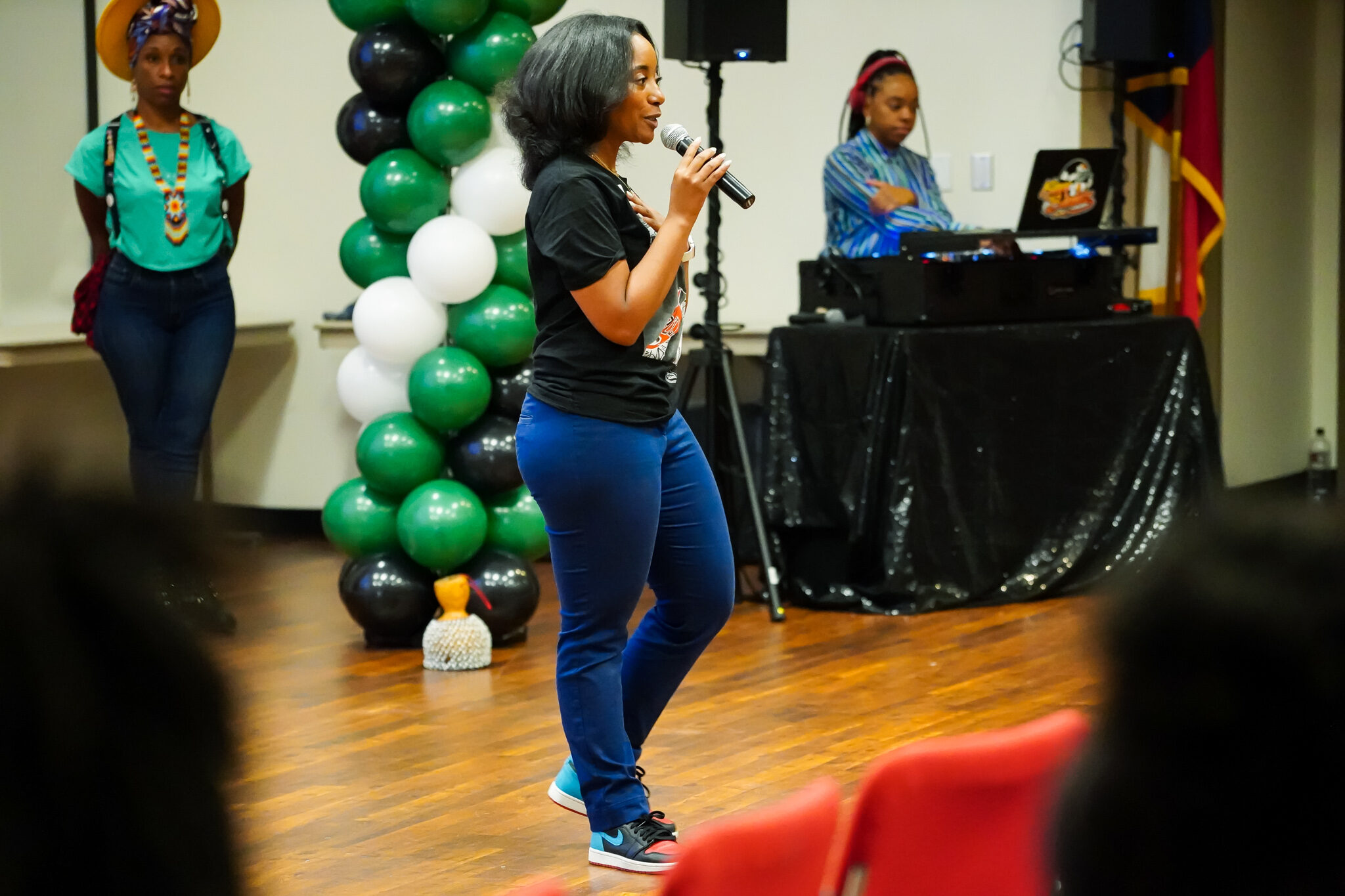
Part of our bridge-building work is to start the conversations. YLSC hosts our Annual Teen Equity Summit and also Educator and Administrator Equity Summits. Prior to our training, we heard and felt a consistent concern that the conversations about race would bring attention to issues and exacerbate conflicts on campus, rather than create solutions. To create a courageous learning space for adults and students, we create shared community agreements, ground the learning in history, and ask participants to reflect on and share their personal identities. As a result, those who have experienced the program consistently report that addressing issues around race and identity head-on in the curated space relieved tension, strengthened relationships, and bolstered hope for a more equitable future.
Our work also must focus on disrupting and dissolving well-organized campaigns that actively limit what students learn and what educators are able to teach. Currently, there is well-documented evidence that students perform better academically and socially when exposed to curriculum and conversations that include race and identity, Despite this, 36 states have passed legislation that restricts education on racism, bias, and the contributions of specific racial or ethnic groups to U.S. history, or related topics. This is cause for alarm when compared to only 17 states that have expanded education in this area. Educational leaders, community members, and business leaders must be part of a well-funded and intentional effort to reverse and counteract the chilling effects that not having access to culturally competent learning materials and environments has on students. We must take seriously attempts to lie about the history of this country, as well as topics such as slavery –- for example, calling it ‘involuntary relocation’ — and work to ensure students learn accurate and inclusive stories. This is key to more equitable communities, and by extension, closing racial gaps.
While these barriers are presented as new, my work as a racial equity practitioner working with students and educators proves otherwise. YLSC’s annual flagship program brings students from public, private, and charter schools together to have conversations about race. We were doing racial equity work with students long before it was popular or even ‘allowed’ in schools. From the beginning, our program was actively sought by students from across a multitude of identities, backgrounds, and experience sets. Much of the justification for legislation that limits conversations and curriculum on race is that white students will be made to feel guilty. Yet, at YLSC where all programs are ‘opt-in,’ we find that anywhere from 8% to 17% of participants identify as white and routinely report positive experiences in talking openly about race in the program, as well as excitement about new relationships built across lines of difference.
Through my work at Young Leaders Strong City, we have seen that investment in addressing racial equity pays off. With collaboration and buy-in from school districts, including Richardson Independent School District and Dallas Independent School District in the Dallas Fort-Worth area, we are able to bring programs that address the experiences of students directly to districts and campuses. In response to our most recent school district summit in April 2022, several students commented that “having the space and support from adults to talk openly about difficult experiences with race and identity was really good for [their] mental health,” and students continue to ask for more programming. Additionally, corporations are seeking to prioritize diversity, equity, and inclusion, including Pizza Hut and Yum brands, which our team worked with to provide conversation space and tools to create a more equitable community.
Engaging in deep conversations about identity and race leads to improved district and school culture and student faith that their experiences will be affirmed and improved. We need deeper commitment across sectors and investment in the work to ensure we truly can work together to not only imagine, but create a more equitable community.