

Why Competitions Can Actually Level the Philanthropic Playing Field
When done right, grant competitions can encourage equity and quickly create lasting change.

By Cecilia A. Conrad
Contributor
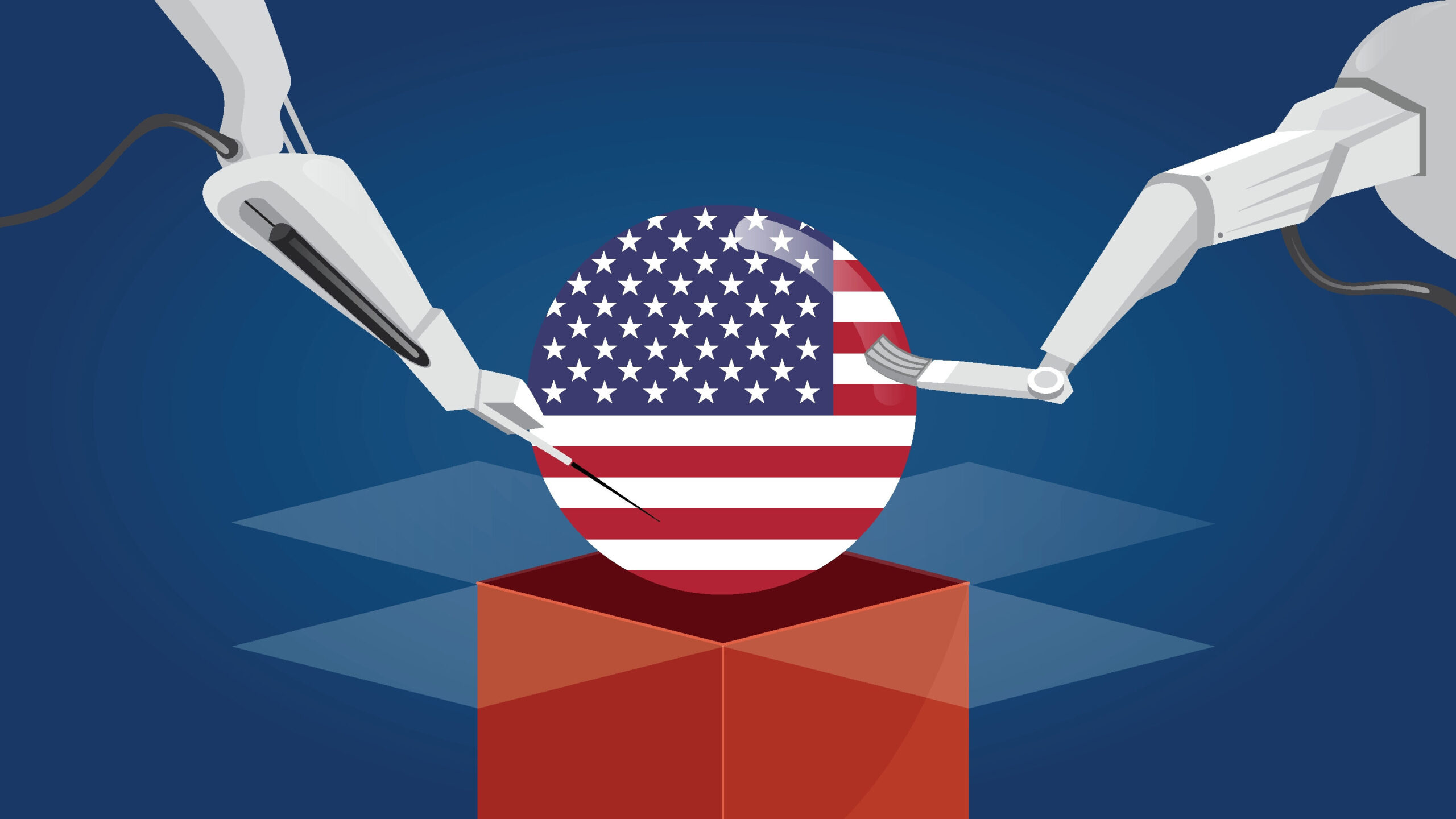
A.I. Could Prove Disastrous for Democracy. How Can Philanthropy Prepare?
The widespread use of A.I. threatens to decrease trust and people’s sense of agency. In response, donors should fund face-to-face organizing and other programs that rely on human connection.
By Gordon Whitman
Contributor

How Data Empowers Major-Gift Fundraisers
Experts explain why a data strategy is no longer optional and share real-world examples of how they use data to attract big gifts.
By Elaine Gantz Wright
Contributor

Experts Weigh In: The Basics and Benefits of Using A.I.
Key steps to take, and questions to consider, when adopting an A.I. tool at your nonprofit.
By LISA SCHOHL
Contributor

7 Questions Nonprofits Have About A.I., Answered
A.I. is quickly changing the way we live and work — and nonprofits are no exception. Here’s what you need to know to get started.
By sara herschander
Contributor

From A.I. to Excel: How to Choose the Right Tech for Your Nonprofit
Technology today plays a key role in creating a sustainable and vibrant nonprofit. Several experts joined the Chronicle in an online forum to discuss how charities of all sizes can embrace new tools, from the most advanced A.I. models to the simplest of spreadsheets
By Sara Herschander
Contributor
Opinion | Restricted Funding Is Stifling Scientific Progress
By moving beyond research funding, philanthropy can encourage scientists to innovate and have a lasting impact outside of the lab, says the chief scientific officer of the New York Academy of Sciences.

Part Stock Fund, Part Donor-Advised Fund: a New Bid for Young Donors
Charity Navigator, one of the biggest nonprofit-rating agencies, is betting it has an answer to a question that vexes many organizations: What might persuade affluent Millennials and Generation Z members to give?

By Drew Lindsay
Senior Editor, Special Projects

How Nonprofits Can Use A.I. Well — and Avoid Pitfalls
A panel of experts discuss what to consider when adopting A.I., simple steps to get started, and ways to make sure you ‘do no harm’ when using this technology.
By LISA SCHOHL
Contributor

4 Performing-Arts Groups Innovate to Survive — and Thrive — in the Post-Covid Era
Movie nights and charcuterie boards, shared rehearsal space, and online performances are a few of the strategies the organizations are deploying as they build new business models.
By Drew Lindsay
Senior Editor, Special Projects
Silicon Valley’s biggest names are backing new ways to organize and fund science research. Some worry their experiments signal a “move fast and break things” approach.

By Eden Stiffman
Senior Editor

Nonprofits Often Live on the Fiscal Brink. The Kendeda Fund Did Something About It.
In a rare move by a grant maker, the Kendeda Fund gave $8 million to 37 groups to boost their cash on hand. <b>Plus:</b> Read about why grantees of Diana Blank’s Kendeda Fund say she put on a “<a href="https://staging.philanthropy.com/article/1-billion-of-trust-based-philanthropy-before-mackenzie-scott-there-was-diana-blank"><b>master class</b></a>” during her 30 years of big giving.
By Drew Lindsay
Senior Editor, Special Projects

Federal Food Assistance Cuts Should Spur Charities to Rethink How They Feed Families
Last week’s debt deal and the recent end to pandemic-era food programs have left many charities worried about how to feed everyone seeking help. Instead, they should adopt approaches that ensure healthy food is always available to all who need it — regardless of congressional actions.
By Dion Dawson
Contributor

Grant Makers Support Affordable Housing to Further Many Other Causes
Donors and foundations that seek to improve education, health, and economic opportunity are backing solutions to fix the housing crisis.
By Eden Stiffman
Senior Editor

To Stem the Housing Crisis, Religious Congregations Are Building Homes
Churches and other religious organizations are developing vacant or underutilized land in their own backyards to meet the need for affordable housing. Nonprofits are helping them navigate the financial and political challenges.
By Eden Stiffman
Senior Editor

To Help Small Cities Thrive, Invest in the Networkers Who Can Turn Ideas Into Action
One group in Dayton, Ohio, is showing why grant makers should consider funding the people who know how to bring together thinkers and doers to make change happen.
By Stephen Starr
Contributor