

Lululemon Founders Give Nearly $76 Million to Conserve and Expand Canadian Parkland
Plus, MacKenzie Scott gave $15 million to a clean-water charity, and five universities landed big gifts.

By Maria Di Mento
Senior Editor

Despite the Challenges, Donors Must Continue to Support Struggling Nonprofits in Afghanistan
The Taliban takeover forced many Afghan human rights groups to shut down or shift their focus. Despite sanctions and other restrictions, multiple avenues remain for funding organizations that are critical to building long-term peace.

Billionaire Khan Family Gives $15 Million for Veterinary Oncology
Plus, Hoag Hospital receives a $106 million bequest, and City of Hope, Centre College, and the American Academy in Berlin received big gifts.
By Maria Di Mento
Senior Editor
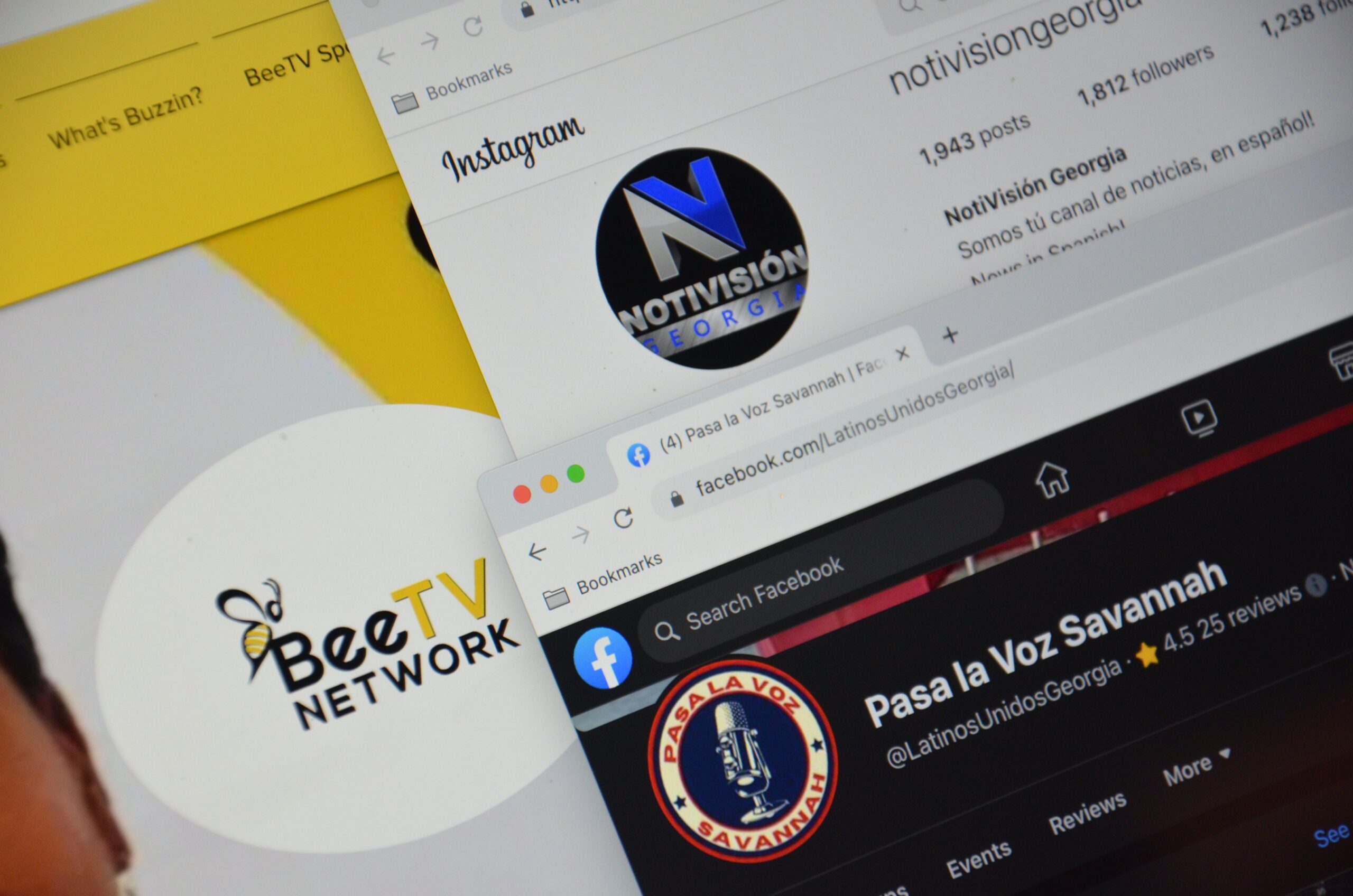
A new breed of Black and brown journalists is reaching overlooked consumers through Facebook and Instagram. They need philanthropic investment to achieve long-term sustainability as trusted local new sources.

By Tracie Powell
Contributor

Seattle Couple Gives $78 Million to Cancer Center
Plus, South Dakota billionaire Denny Sanford pledged $150 million to UC San Diego, and the Metropolitan Museum of Art and four additional nonprofits received big gifts.
By Maria Di Mento
Senior Editor

Denny Sanford Gives $150 Million to Fund Stem-Cell Research in Space
The gift will go to the University of California at San Diego. With this latest donation, Sanford has given the university at least $380 million.
By Maria Di Mento
Senior Editor

Here’s One Way to Help Grantees Deal With Inflation: Give Them More Money
During periods of high inflation, foundations need to recognize that the benefits of long-term grants are undermined by rising costs. They should respond by increasing payments to nonprofits they support, many of whom are struggling to meet program goals due to higher expenses for travel, staff, and other necessities.
By Adam Simon and Steven Laufer
Cleveland Couple Give $28 Million to Back Scholarships at Ohio Private School
Plus, Milwaukee Area Technical College, City College of New York, and three universities all landed big gifts.
By Maria Di Mento
Senior Editor

MacKenzie Scott’s Giving Total Is $12.8 Billion — So Far
Charities have announced 12 donations totaling $347.4 million from the philanthropist since the beginning of April, according to a Chronicle tally.
By Maria Di Mento
Senior Editor

Nonprofits That Serve People Should Also Support Their Pets
The growth in pet ownership during the pandemic has left many families without the means to care for their animals. This crisis in vet care needs to be addressed by a wide range of philanthropic and nonprofit organizations and viewed as an integral part of helping vulnerable populations thrive.
By Aimee Gilbreath
Contributor

Maryland Congressman and Wife Give $10 Million for Mental-Health Services and Hillel
Plus, MacKenzie Scott strikes again: The billionaire novelist gave nearly $39 million to Junior Achievement USA, her second eight-figure gift in the last two weeks.
By Maria Di Mento
Senior Editor

To Mark Black Philanthropy Month, Grant Makers Need to Double Down on Fight for Racial Justice
Even as the headlines have moved on to other crises, donors must recommit to efforts sparked by the 2020 racial reckoning. They must be true partners to Black leaders whose innovative ideas and relentless focus are driving this movement for change.
By Cheryl L. Dorsey
Contributor

Elitist Grant-Making Practices Stand in the Way of Equitable and Effective Public Policy
In the policy world, foundation funds typically flow to think tanks and advocacy groups staffed by people with traditionally impressive education and employment credentials. These practices leave out organizations and leaders from the communities most affected by policy choices — and prevent the development of strong policy.
By Emma Vadehra
Contributor

MacKenzie Scott Gives $55 Million for Affordable Housing Efforts in Los Angeles
Plus, three universities received large donations to support music programs, campus construction, and better understanding of U.S. institutions.
By Maria Di Mento
Senior Editor

3 Women Share Lessons From Running Family Foundations
Stacy Schusterman, Regan Pritzker, and Anne Earhart explain whether recent global crises have changed their giving and talk about the power of philanthropy to improve people’s lives.
By Maria Di Mento
Senior Editor
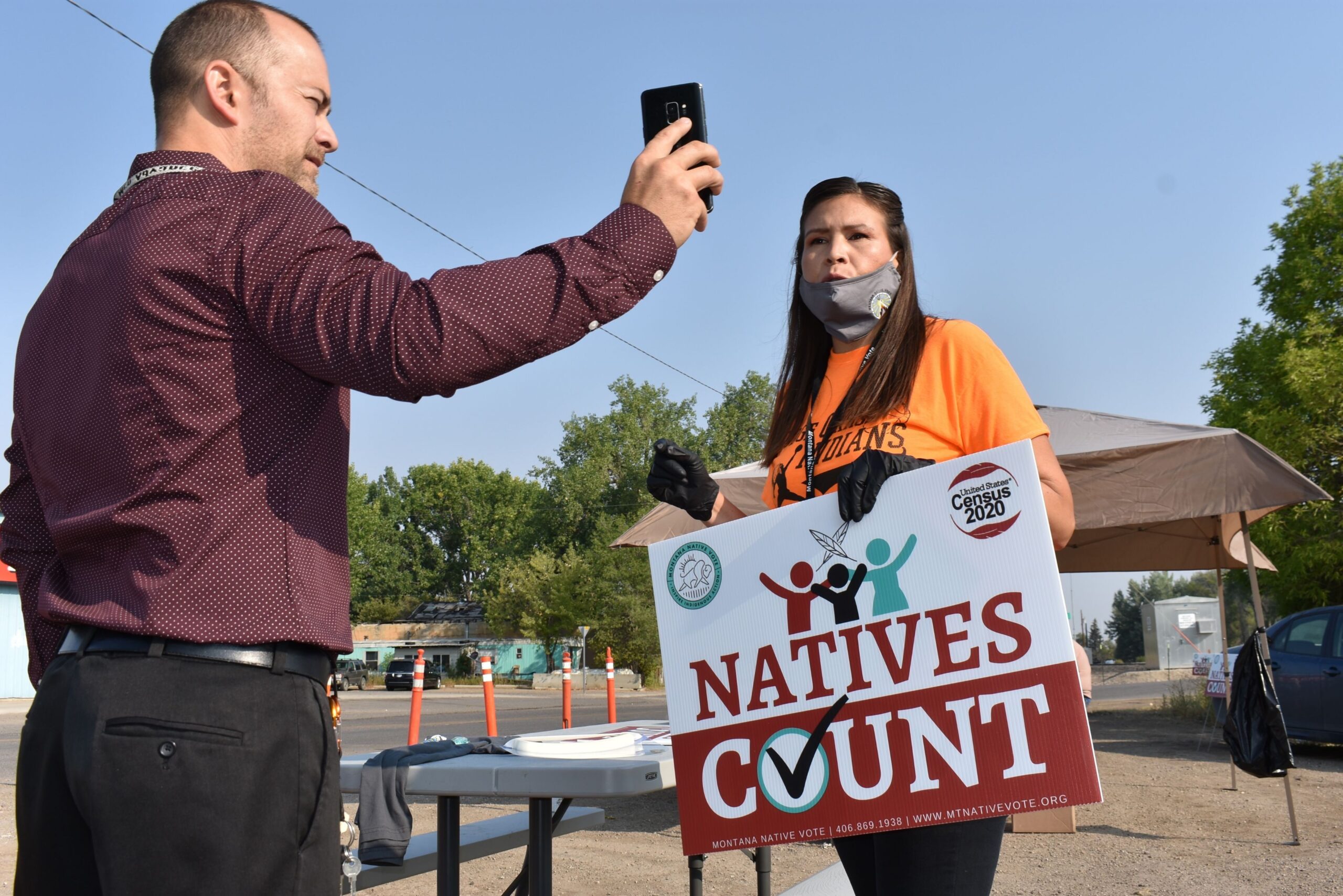
Philanthropy’s Love of Data Must Extend to Underfunded and Frequently Ignored Indigenous People
Indigenous people are typically reduced to an asterisk in research focused on BIPOC groups. As a result, the needs and aspirations of this population are nearly invisible to grant makers and governments.
By Erik Stegman and Carly Bad Heart Bull