
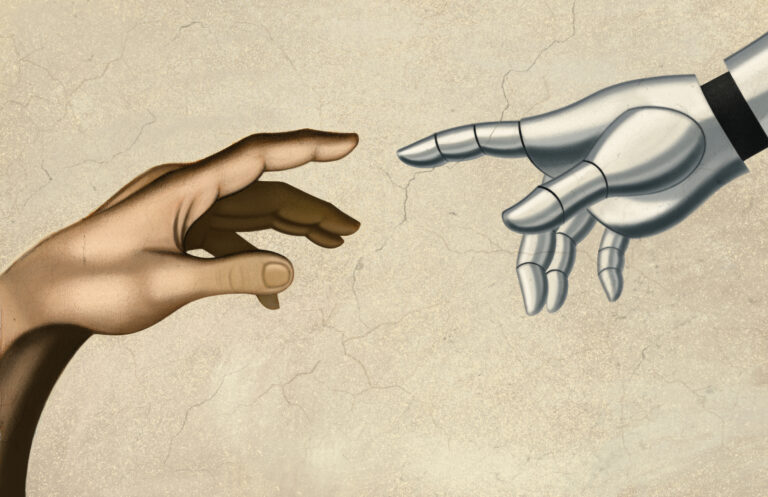
4 Practical Ways Nonprofits Can Use A.I. to Drive Innovation and Increase Impact
When used properly, generative A.I. can help organizations of any size or mission expand their capabilities. Here’s how.

By Brandolon Barnett
Contributor

Can a Nonprofit Help Lawmakers Understand A.I.?
The Horizon Institute for Public Service aims to bridge the gap between the worlds of policy and emerging tech, like A.I., by creating a pipeline of tech-savvy public servants.

By Eden Stiffman
Senior Editor

ChatGPT Poses Ethical Quandaries for Nonprofits. Here’s How to Confront Them.
When used correctly, ChatGPT can be a useful tool. But nonprofits must take a balanced, human-centered approach.
By Kenna Barrett
Contributor

Tired of A.I. ‘Hype’? New Online Working Group Is Here to Help
GivingTuesday hopes the new platform will help put nonprofits’ questions and concerns on tech leaders’ radar.

By Rasheeda Childress
Senior Editor, Fundraising
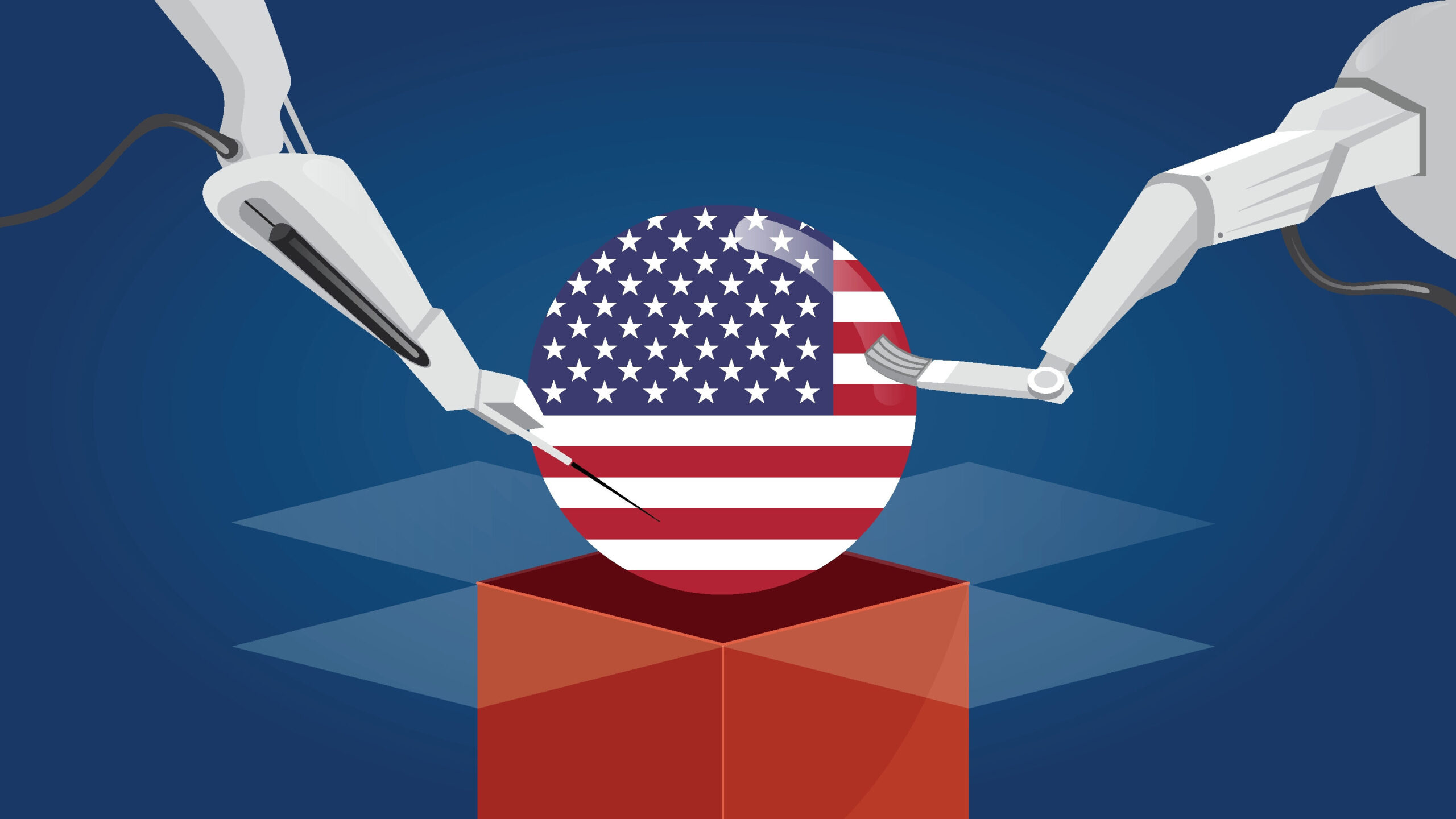
A.I. Could Prove Disastrous for Democracy. How Can Philanthropy Prepare?
The widespread use of A.I. threatens to decrease trust and people’s sense of agency. In response, donors should fund face-to-face organizing and other programs that rely on human connection.
By Gordon Whitman
Contributor

How A.I. Could Hurt Your Cause: A Veteran Tech Watchdog Explains
The Center for Democracy & Technology’s Alexandra Reeve Givens on artificial intelligence’s proliferating risks, and why tech policy is now social-justice policy.
By Lynn Schnaiberg
Contributor
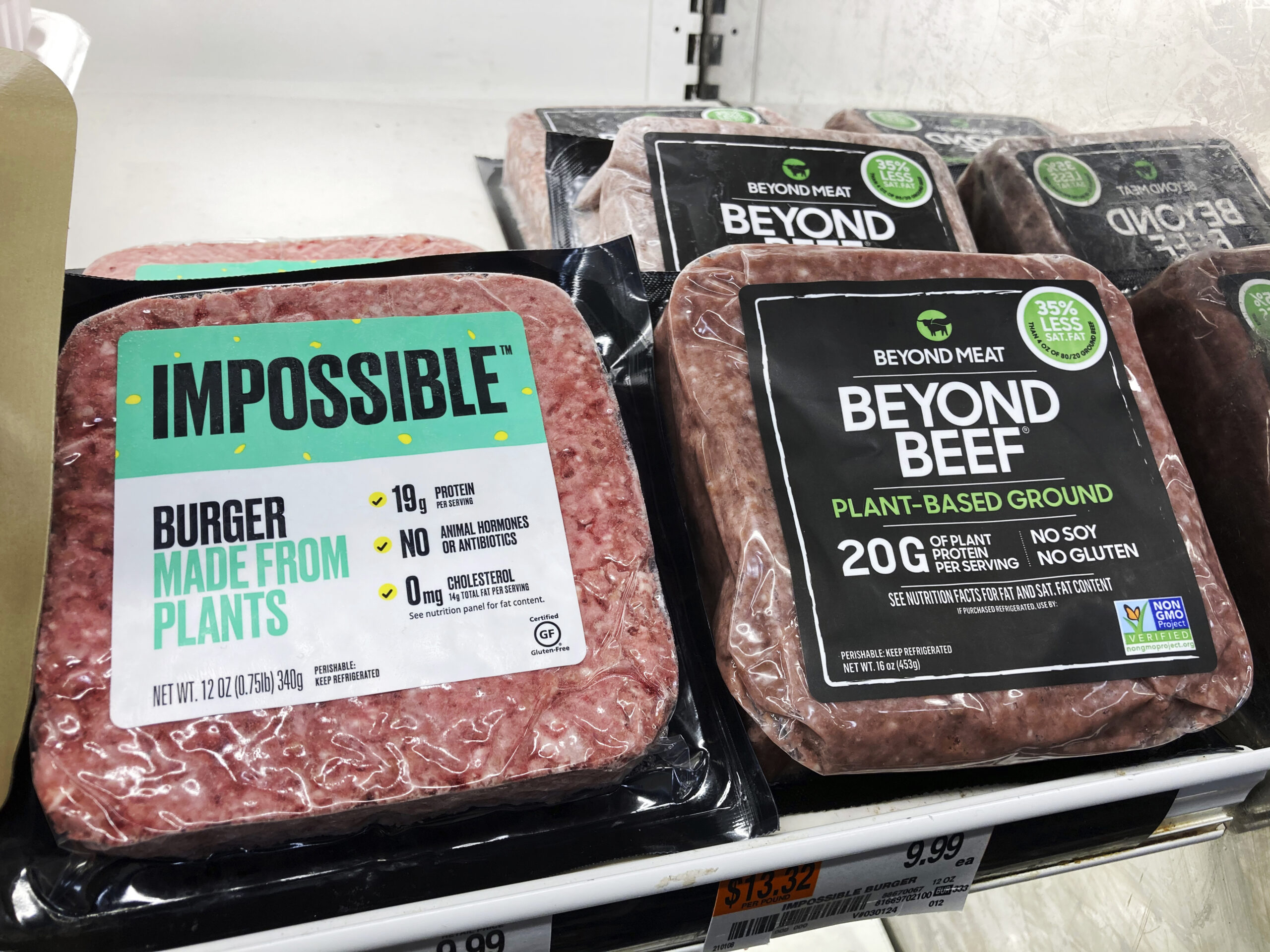
Does Alternative Meat Need Philanthropy to Take It Beyond?
Support from philanthropy helped spark an alt-meat boom, and the industry finds itself at a crossroads.
By Eden Stiffman
Senior Editor

Fees to Return on Facebook and Instagram Donations
Meta has covered processing fees for billions given through its platforms. That stops October 31.
By Phoebe Farag Mikhail
Contributor

How Data Empowers Major-Gift Fundraisers
Experts explain why a data strategy is no longer optional and share real-world examples of how they use data to attract big gifts.
By Elaine Gantz Wright
Contributor

Experts Weigh In: The Basics and Benefits of Using A.I.
Key steps to take, and questions to consider, when adopting an A.I. tool at your nonprofit.
By LISA SCHOHL
Contributor

7 Questions Nonprofits Have About A.I., Answered
A.I. is quickly changing the way we live and work — and nonprofits are no exception. Here’s what you need to know to get started.
By sara herschander
Contributor

Fighting Online Lies and Deception Requires Large-Scale Philanthropic Response
Piecemeal responses to misinformation won’t work. Instead grant makers must help build an environment in which accurate and diverse information sources flourish.
By Courtney C. Radsch and MICHAEL JARVIS

The Philanthropy That Jump-Started a Cure for Sickle Cell Disease
Since 2008, the Doris Duke Foundation has awarded $35 million to research scientists focused on the disease. Now several of them are bringing their gene therapy cure to clinical trial for FDA approval.
By Kay Dervishi
Contributor

4-H Teams With Netflix’s ‘Spy Kids: Armageddon’ to Launch a New E-Learning Platform
The platform, Clover, features more than 220 online educational activities for students ages 5 to 18, on topics as diverse as farming and space exploration, financial literacy and stress management — all designed to inform and empower young people.
By Glenn Gamboa
AP Business Writer

From A.I. to Excel: How to Choose the Right Tech for Your Nonprofit
Technology today plays a key role in creating a sustainable and vibrant nonprofit. Several experts joined the Chronicle in an online forum to discuss how charities of all sizes can embrace new tools, from the most advanced A.I. models to the simplest of spreadsheets
By Sara Herschander
Contributor

From Diaper Banks to Disaster Relief: How A.I. Is Changing Nonprofit Operations
Public interest in artificial intelligence has exploded in recent months, but it’s been quietly transforming nonprofit operations for years. As more groups use artificial intelligence, they’re getting a sense of the benefits and risks of an A.I.-driven future.
By Sara Herschander
Contributor