

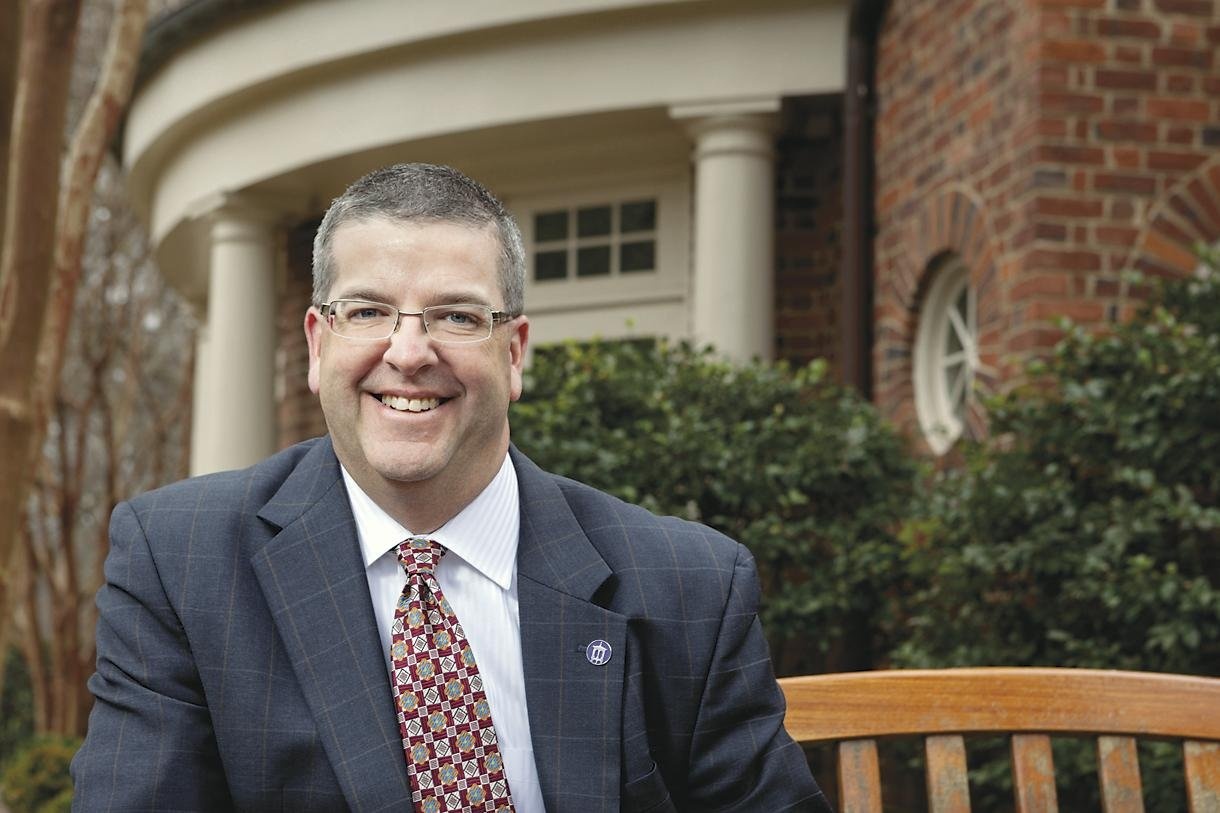
A University Offers Flexibility and Financial Rewards to Keep Fundraisers Happy
Furman University offers bonuses every six months to people who meet or exceed their goals for getting donations. It also offers work-at-home options.

By Jennifer C. Berkshire
Contributor

Problem-Solving Meetings Elevate Fundraisers’ Skills
The Boys & Girls Clubs of San Francisco tries to help fundraisers avoid problems of isolation by talking together about challenges and trends and taking regular field trips to the programs they finance.
By Jennifer C. Berkshire
Contributor
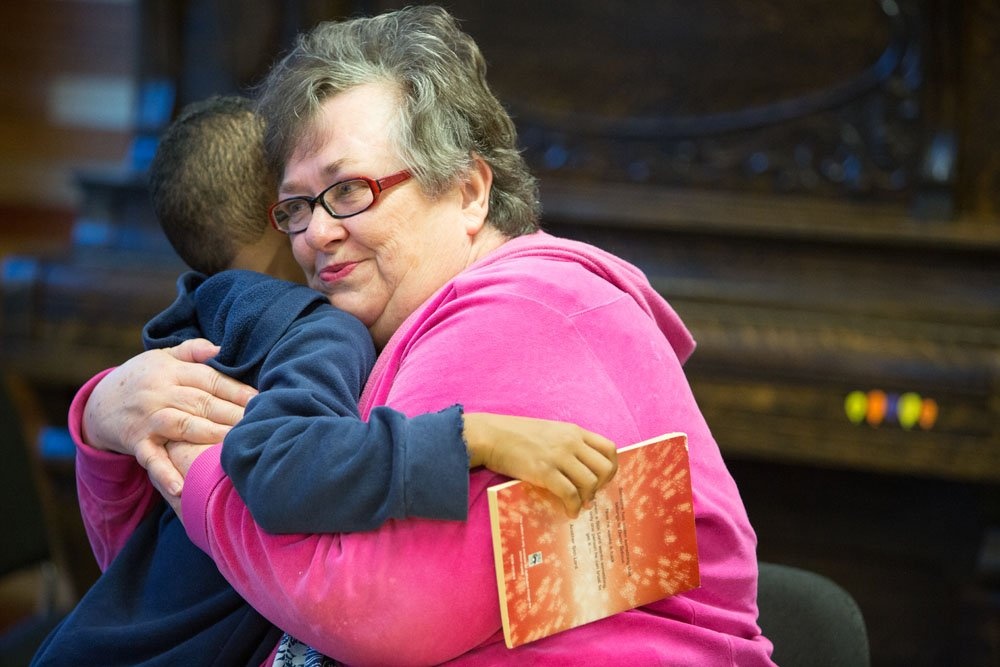
Multigenerational Communities Sprout to Aid Vulnerable People
Nonprofit efforts to build housing communities for older people and foster children are now being used as a model to help wounded veterans, developmentally disabled people, and others.
By Jennifer C. Berkshire
Contributor
Creating Winning Year-End Appeals: Tips From Experts
Emphasize online gifts on the very last days of the year, when donations spike.
By Jennifer C. Berkshire
Contributor

Charities Unveil Bold Year-End Appeals in Storm’s Big Shadow
Uncertainty about the economy and tax policy is prompting many donors to step up their giving now so nonprofits are unleashing ambitious efforts to attract money, especially from new donors.
By Jennifer C. Berkshire
Contributor

How to Overcome a Fear of Negotiating and Get a Bigger Paycheck
Identify how you can fill a nonprofit’s future needs and put a price tag on your strengths, suggest nonprofit experts.
By Jennifer C. Berkshire
Contributor

Charities Pick Up New Ways of Reaching Elusive Donors by Phone
While some groups are making fewer phone calls to raise money, others are making more calls and finding new ways to use a traditional system to keep supporters connected.
By Jennifer C. Berkshire
Contributor

Health-Care Law Helps Young Nonprofit Workers Get Coverage—From Their Parents
Nearly 26 percent of early-career employees don’t get health benefits, so many are still on family plans.
By Jennifer C. Berkshire
Contributor
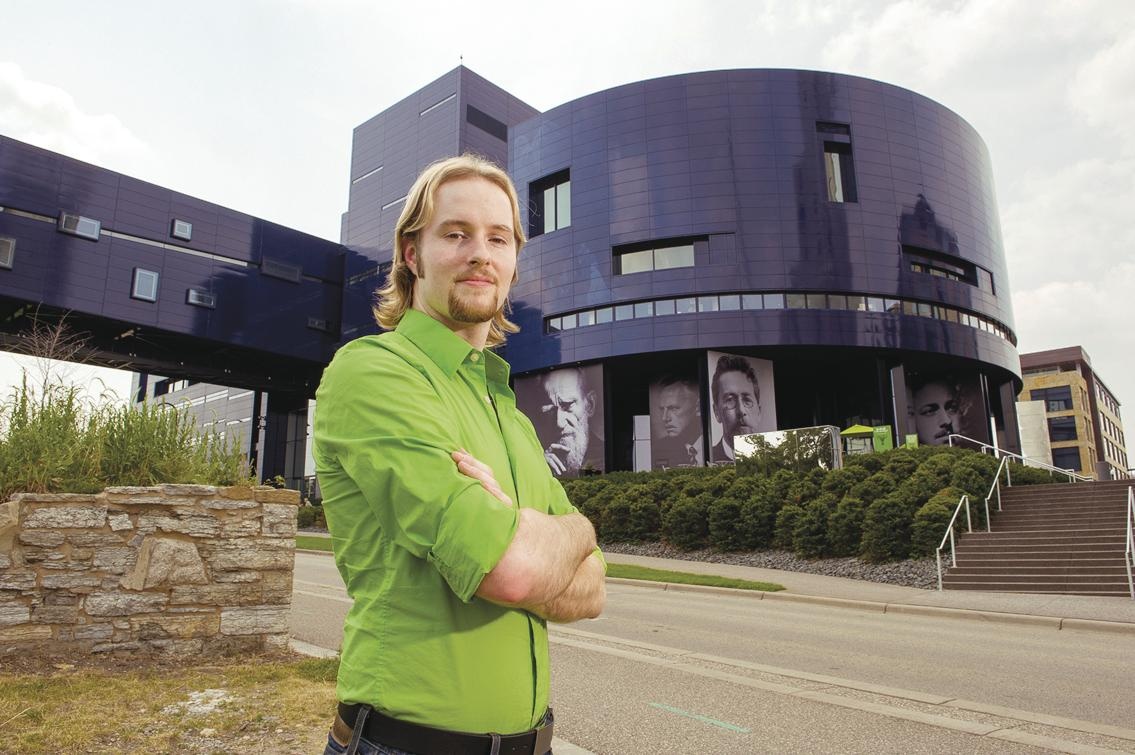
Fledgling Nonprofit Workers Love Their Jobs but Bear Financial Burdens
New nonprofit employees love their jobs, a Chronicle study of 900 people finds, but 65 percent are saddled with college loans and wondering how long they can afford low-paying roles.
By Jennifer C. Berkshire
Contributor

Lots of Well-Educated Young Adults Give—but Sums Are Small
New survey results show that “millennials” are most likely to donate if they are already engaged in a conversation with a charity, especially through online channels.
By Jennifer C. Berkshire
Contributor