An Aid Group Mends the Heartbreak of Ukraine With Sutures and Medicine

By Drew Lindsay
Senior Editor, Special Projects
April 5, 2022 | Read Time: 2 minutes
As Russian troops massed on the Ukraine border and invasion became more likely, the veteran humanitarian relief workers at Project Hope prepped for a big effort. “We have that gut instinct,” says Cinira Baldi, the top development and communications officer at the international health organization. “When you’re looking at something with the historical perspective of other crises like Syria or South Sudan, you kind of get a sense about what’s about to happen.”
Still, the enormity and speed of the crisis that followed were shocking. Roughly 3 million Ukrainians fled the country in the first three weeks of the war — the same number who left Syria in the first two years of its conflict. The United Nations projects the war eventually could displace 10 million, a humanitarian crisis not seen since World War II.
“The numbers are staggering,” the organization’s Chris Skopec told CNN from Poland 10 days after the invasion began. “We’ve never seen anything like this.”
The 64-year-old Project Hope has been working in Central and Eastern Europe since 1974. Its emergency-response team based in Macedonia deployed staff within a few days to help Moldova, Poland, and Romania manage the waves of arrivals. It’s also providing antibiotics, anesthesia, sutures, and other medical supplies to Ukraine‘s hospitals, often via a local organization and former partner on tuberculosis prevention.
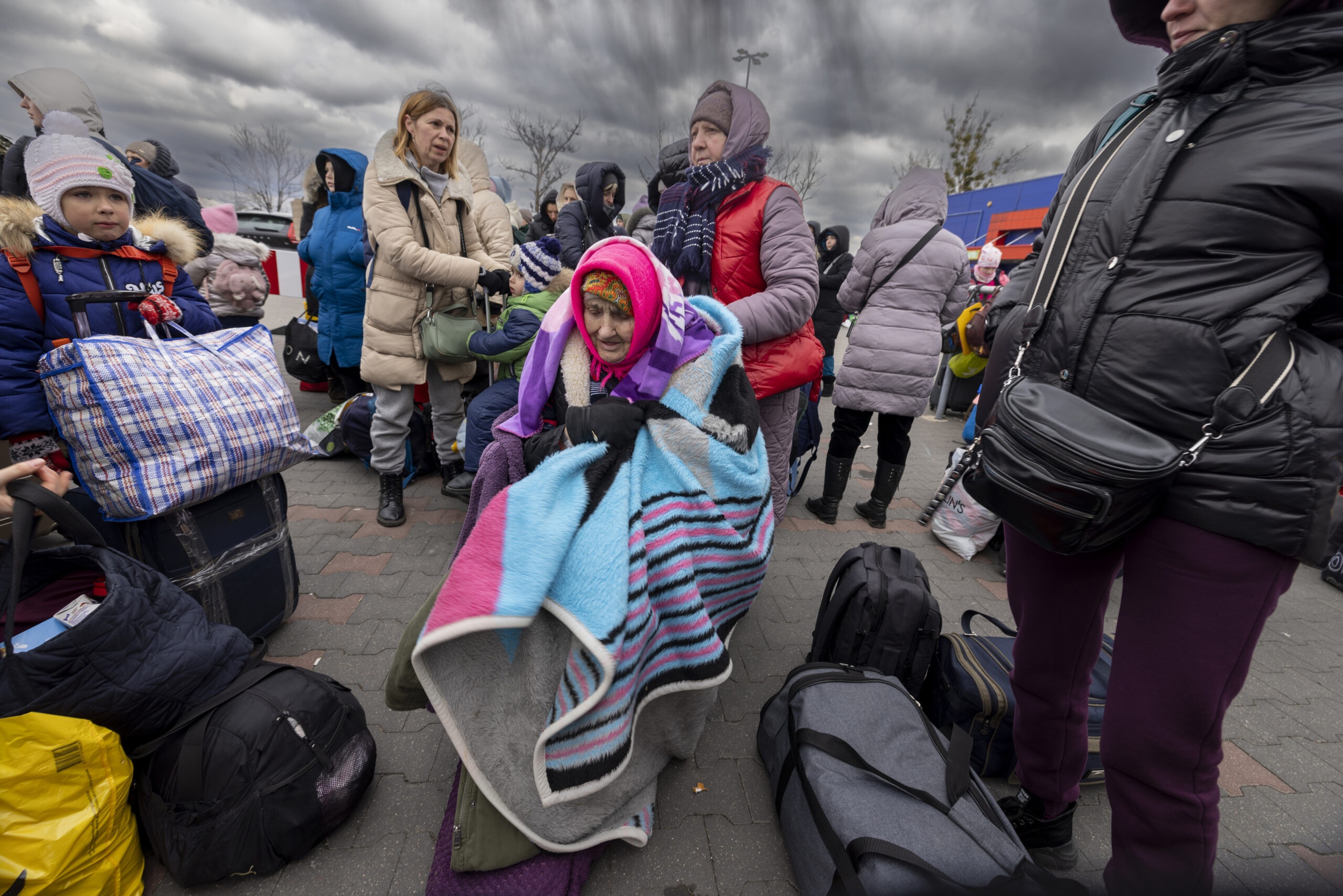
The flood of Ukrainians streaming across the borders initially were people who had friends or relatives they were trying to reach in other countries. Within a few days, however, those fleeing had no plans save to escape the falling bombs. “They’re desperately trying to figure out where to go,” says James Buck, a photographer on assignment for Project Hope who took this photo of a temporary refugee settlement at the Polish border near the village of Medyka. “This is not a planned evacuation. This is a fire drill.”
Eventually, the organization will help Ukraine rebuild its health infrastructure. Says Baldi: “We plan to be in the region as long as we’re needed.”