Private Foundations Are Increasingly Critical to Metro Governance, New Book Argues

By Drew Lindsay
Senior Editor, Special Projects
May 7, 2018 | Read Time: 3 minutes
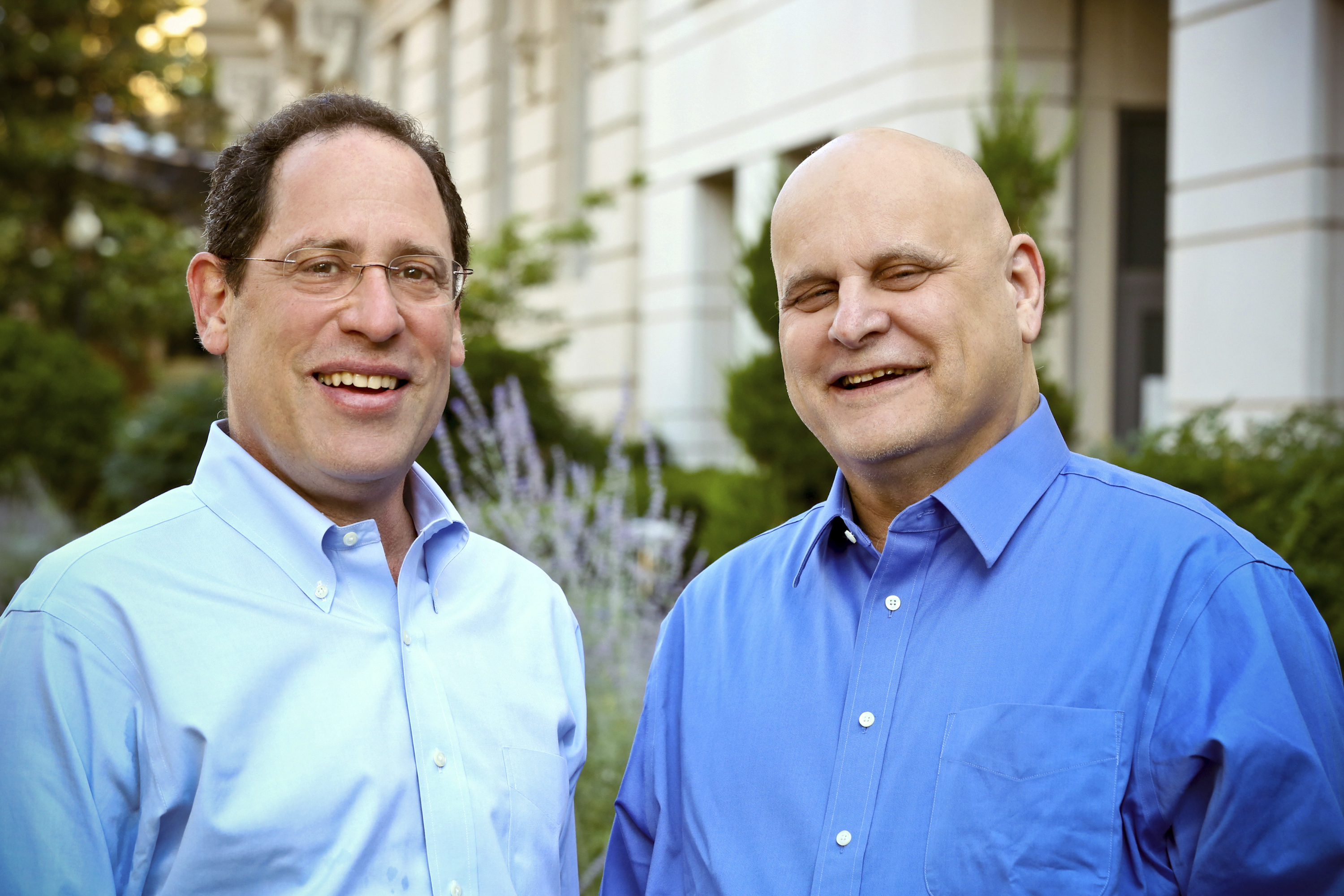
Urban scholar Bruce Katz worked on Capitol Hill in the late 1980s and early 1990s — a time, he says, when the federal government represented the apex of power in America. He and his colleagues were on the Senate floor constantly, crafting legislation that, with accompanying funding and regulations, set the agenda nationwide.
Since then, the Brookings Institution expert says, power has devolved from Washington to public-private coalitions emerging in metro areas nationwide — coalitions that often feature private foundations as power players.
That’s a key argument of New Localism, a new book that Katz has written with Jeremy Nowak, a former chair of the Board of the Federal Reserve Bank of Philadelphia. “Philanthropy has become really very central,” he says.
Two of the book’s case studies focus on Indianapolis and Pittsburgh, where the authors say philanthropy has joined a “co-governance model” along with local government, business, community organizations, universities, and civic groups. It is through such networks, they say, that localities are tackling social problems and driving economic change.

In Indianapolis, the Lilly Endowment, a national foundation based in the city, led a number of other local philanthropies that have “made large bets on innovation, entrepreneurialism, and other essential ingredients of ‘regional prosperity,’ ” Katz and Nowak write.
Pittsburgh foundations, meanwhile, have helped the once steel-dependent metro area become a hot spot for research into robotics and driverless cars. They have “essentially supplanted the state government as the go-to source of risk capital” for business incubators, technology clusters, and other entities critical to the area’s transformation.
National foundations are also stepping up to bring together cities in working on the same issues. Katz cites the Rockefeller Foundation’s efforts to strengthen cities against disasters and Bloomberg Philanthropies’ work to improve city governance.
Thanks to such networks, he says, “innovation in Pittsburgh can be shared quickly with Phoenix or even cities abroad.”
Power Vacuum
Katz says these coalitions have emerged in recent years to fill a “mammoth, historical power vacuum.” Extreme partisanship has gripped government at the state and federal levels. Public budgets, meanwhile, have been hamstrung by obligations to entitlement programs and legacy pension and health-care obligations.
As a result, coalitions of private, public, and civic entities have emerged in a host of cities that include Chattanooga, Tenn.; Kansas City, Mo.; Oklahoma City, and St. Louis.
Foundations are critical partners because they have more freedom in their spending than many government agencies. “Regional philanthropies, when well-resourced, have more discretion than a cabinet secretary in Washington, D.C.,” Katz says. “They have more money at their disposal and fewer strings.”
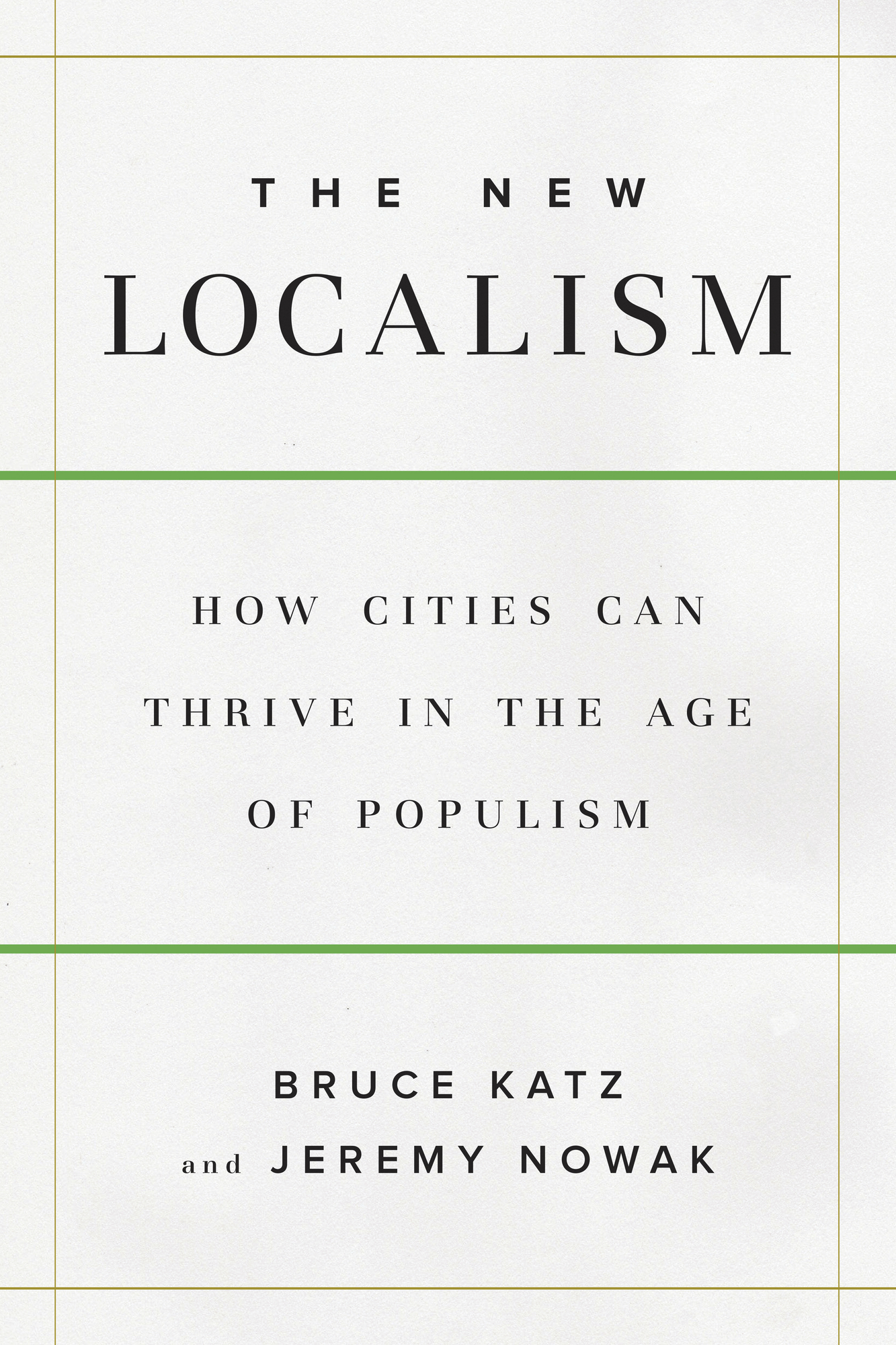
Philanthropies can also take more risks. “They tend to think in the long term and invest for the long term,” he says. “They can make investments that they know are not going to pay off quickly — or maybe never pay off. And that’s very unusual.”
Perhaps the most dramatic involvement of philanthropy in city affairs came in Detroit in 2014, when 10 foundations put up nearly $400 million to help lift the city out of bankruptcy.
The Michigan governor and the city’s emergency financial officers treated the foundations as partners and put them on equal footing, Katz says.
“What’s increasingly happening is that the public, private, civic, and university sectors are being seen as equals,” he says. “And there’s no distance between them; they make decisions collectively and collaboratively.
“It’s really an American model, in many respects. In Europe and other parts of the world, there is a separation between the public and these other sectors. In the United States, it’s really almost seamless. And that is part of our strength.”