October 4, 2016 | Read Time: 2 minutes
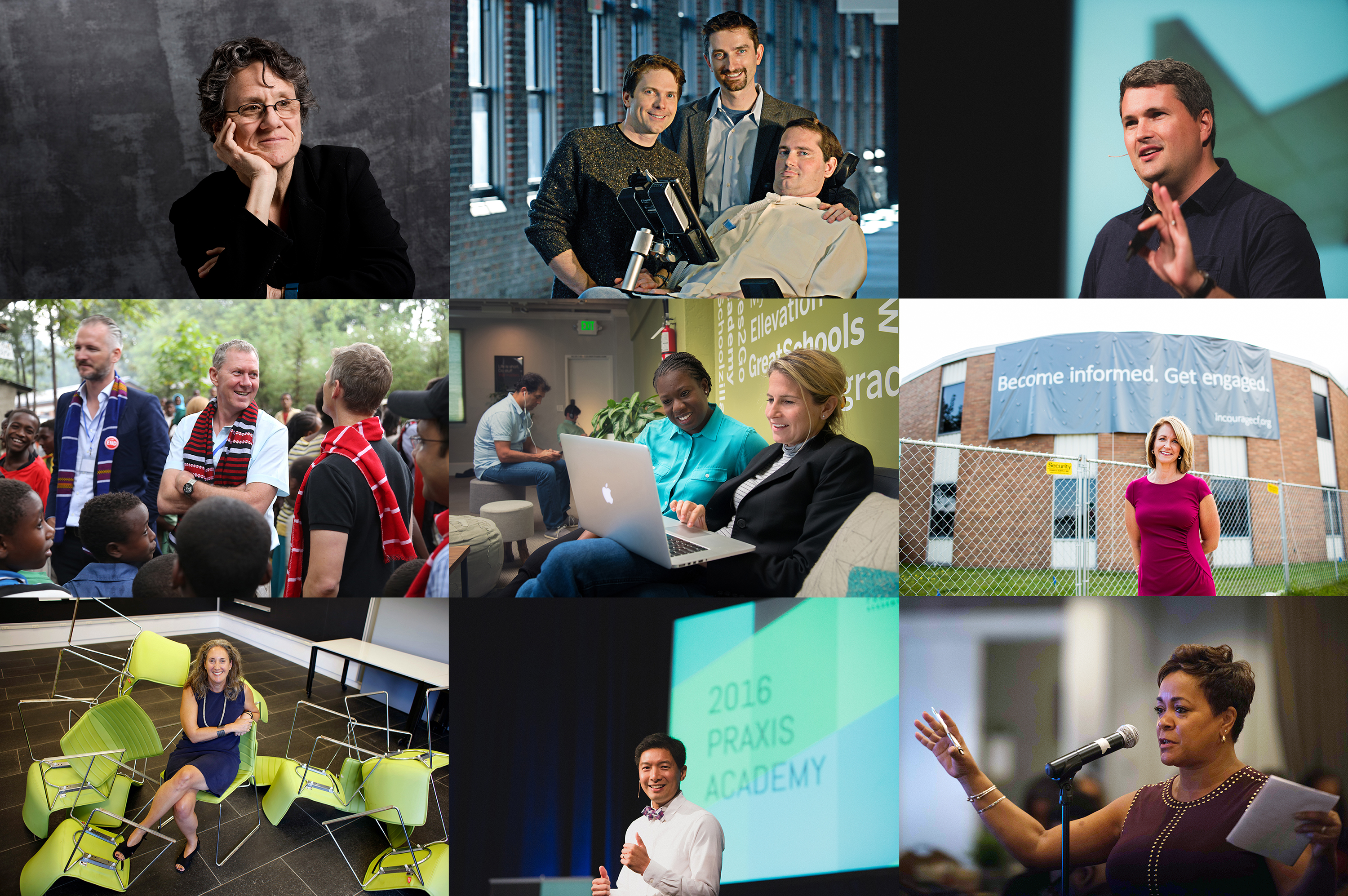
“The world has changed and so must we.”
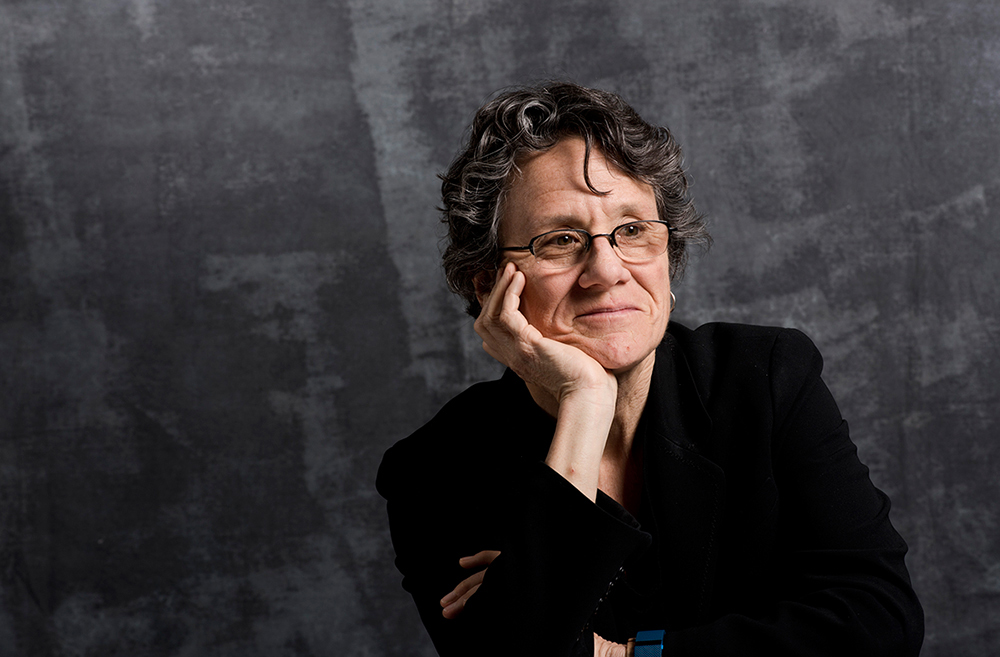
With those words, F.B. Heron Foundation President Clara Miller set a radical new course for her organization. Over the next five years, Ms. Miller announced in 2012, Heron would put its entire endowment, some $300 million, toward its poverty-fighting mission. The goal: transform itself from a traditional grant maker into a modern investor that backs ventures for good, whether run by a charity or a for-profit enterprise.
“Only by rigorously questioning and transcending our own cherished assumptions will we progress,” she wrote at the time.
Ms. Miller is a prominent theorist and ringleader for a new breed of philanthropists who want to expand the definition of philanthropy. They don’t all agree on the particulars, and their ideas earn brickbats as well as praise, particularly when money goes to businesses, not charities. Yet these mavericks aim to give philanthropy more power to do good. And they share the conviction that the old ways of getting the job done — the traditional triad of donor-nonprofit-foundation — can’t solve problems that daily grow bigger and more complex.
In these pages, you’ll meet some leaders who, like Ms. Miller, enjoy a measure of fame as pioneers of the “new philanthropy.” We also profile lesser-known individuals who are turning unorthodox ideas into reality.

Laura Callanan worries that “new philanthropy,” which tends to focus on creative investments in education and social-service nonprofits, will leave cultural causes behind.
Boston-area nonprofit leader Molly Baldwin and investors like Goldman Sachs and the Kresge Foundation are gambling on the nation’s largest pay-for-success program, with seven years to show results.

Doug Balfour and tiny Geneva Global attract Wall Street types to neglected international causes with a results-obsessed focus and donor reports that would make Goldman Sachs proud.

Reach Capital’s Jennifer Carolan (left) and Shauntel Poulson pool dollars from Silicon Valley moguls and traditional grant makers to back ed-tech companies.

Harnessing the power of the breakout ideas behind Facebook and Kiva, Jamie (left) and Ben Heywood (center) see huge potential in a model for sharing medical information.
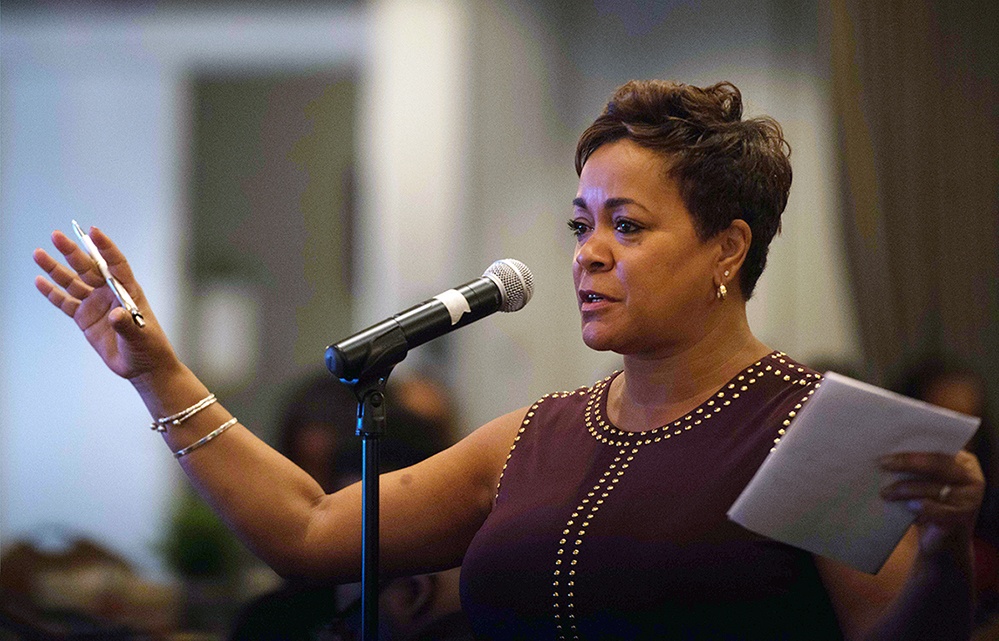
Susan Taylor Batten, head of the Association of Black Foundation Executives, works to help grant makers understand — and address — the systemic racism underlying police killings of unarmed African-Americans.
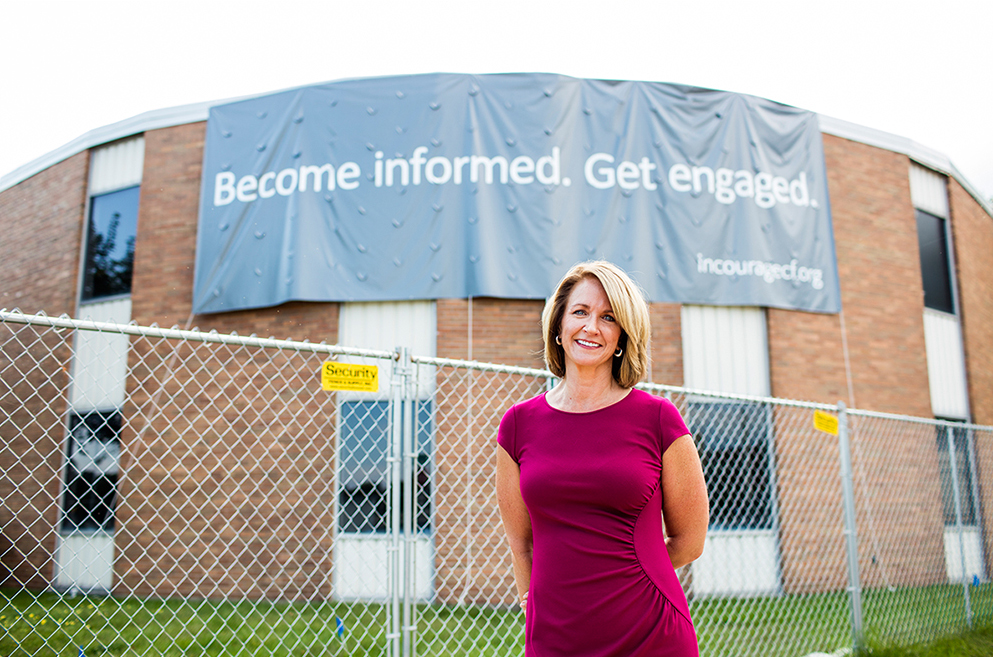
Kelly Ryan’s Wisconsin community foundation has abandoned tradition to take on a prominent role in rebuilding the local economy after devastating jobs losses.
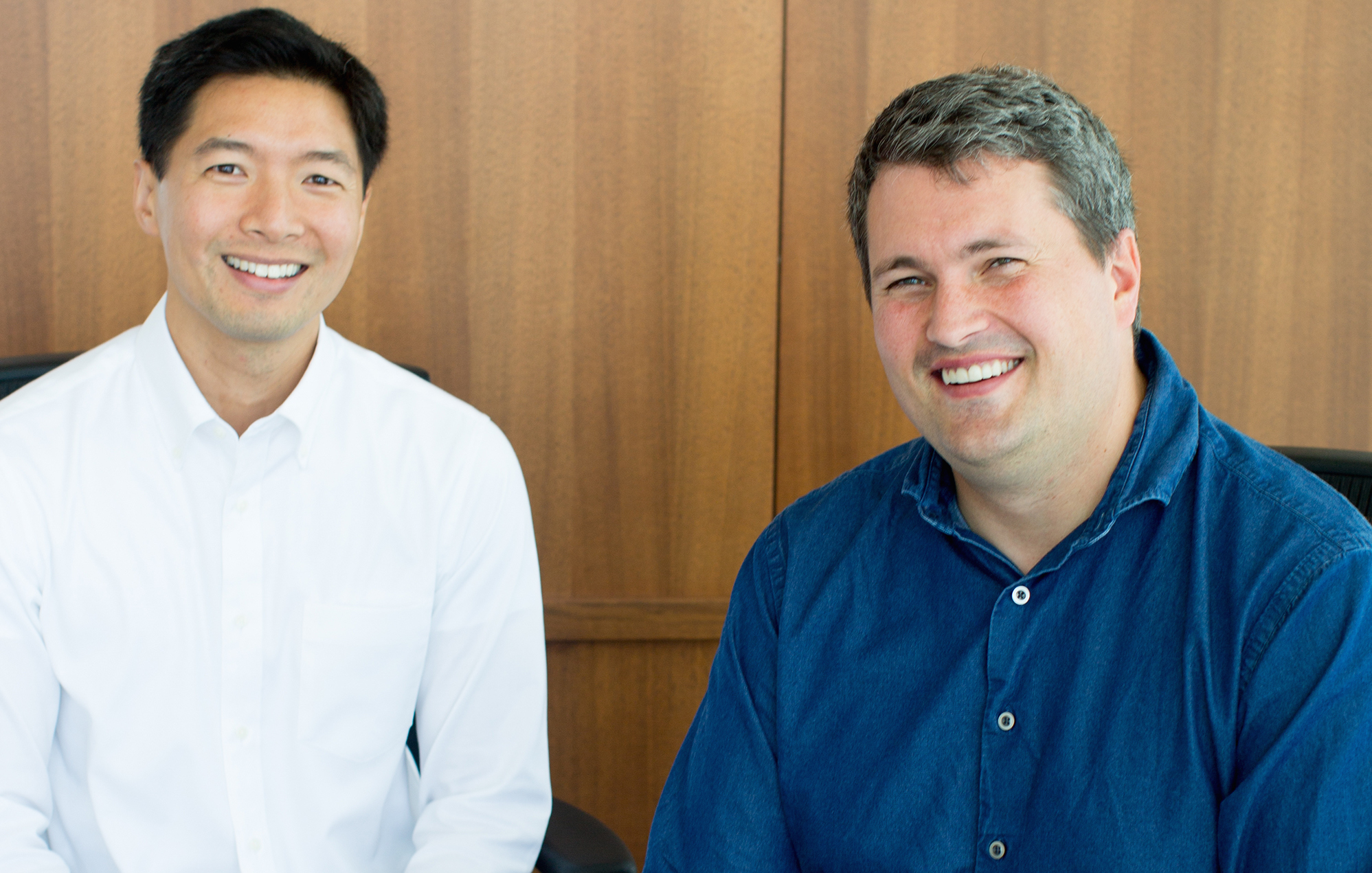
Josh Kwan (left) and Dave Blanchard offer corporate-style “accelerators” for Christian leaders of nonprofits and socially minded businesses.