Why Small Nonprofits Need to Rebrand Development

By Drew Lindsay
Senior Editor, Special Projects
August 3, 2015 | Read Time: 2 minutes
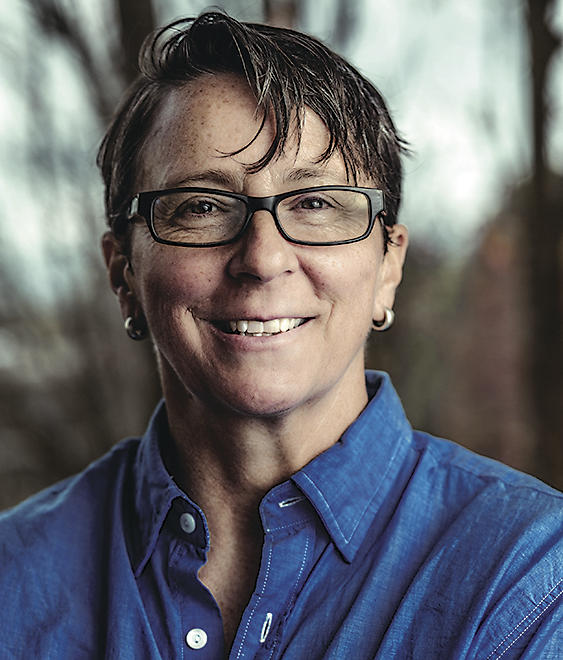
Kris Hermanns, executive director of the Pride Foundation, a regional grant maker focused on equality issues for LGBTQ people in the Northwest, recently hired a new lead fundraiser. Except her title is director of community engagement, and she’s not leading a development team. Rather, she’s a partner to Ms. Hermanns and point person for the organization’s effort to create a culture in which everyone — Ms. Hermanns, the board, and staff leaders, in particular — is responsible for raising money.
With the hire, Ms. Hermanns continues her push to elevate within small nonprofits the importance of fundraising — and reinvent, if not rebrand, the development director. She’s drawing from recent research by the Evelyn and Walter Haas Jr. Fund, CompassPoint Nonprofit Services, and Campbell and Company that suggests development chiefs are fleeing their jobs because they are saddled with huge expectations but are given little support.
Here are edited excerpts from a conversation with Ms. Hermanns:
- The development field has been beaten up on and made the scapegoats of so many failures of nonprofits.
- I don’t think we have a scarcity of development talent; boards and executive directors and CEOs have created conditions that are impossible to live up to and live in. We’re starving the field. The expectation of the leadership and the board can’t be that they can “save” the organization by hiring a single person to come in and do fundraising.
- By changing the job title to “director of community engagement,” I wanted to make clear the shift in our organization. We wanted to reconceptualize the position of development director so that they were seen as a member of the leadership team and they could talk about any part of the organization and represent our vision and values.
- Ultimately, we want to move everyone across an organization to see development work not as transactional but about relationships. People are compelled to give by stories of inspiration; they are motivated by people whom they respect and find credible and with whom they share a vision.
- Executive directors and boards need to see their development staff as partners, and their organizations must really embrace the fact that everyone needs to represent the work and fundamentally envision the change that could happen by mobilizing resources. I believe this is fundamentally what could transform individual groups but also the nonprofit sector as a whole.