

As Crises Mount, a Push for Communities to Focus on Resilience
In a book being released today, the Rockefeller Foundation’s president, Judith Rodin, discusses a major new effort to guide communities to be more nimble, innovative, and better prepared for inevitable challenges.

By Libby Sander
Contributor
Gates Foundation Pledges $3-Million to GuideStar to Enhance Nonprofit Database
GuideStar hopes to add new features and to give charities a way to report outcomes.
By Megan O’Neil
Contributor
Atlantic Philanthropies Is the Latest Nonprofit Subject to Email ‘Phishing’ Attacks
Scammers use the names of trusted charity enterprises to extract personal information from people like Social Security numbers.
By Alex Daniels
Contributor
Foundation Giving Reaches Record $54.7-Billion, Report Says
The surging stock market boosted assets of many foundations and spurred creation of new charitable trusts, according to the Foundation Center.

By Drew Lindsay
Senior Editor, Special Projects
Gifts of $1-Million or More Rose Sharply to $26.3-Billion in 2013, Study Finds
Of the seven parts of the world included in the study, the United States came out on top, with 1,173 donors giving a total of $16.9-billion.
By Megan O’Neil
Contributor

Foundation Support Is Crucial in Plan to Save Detroit’s Art and Pensions
A judge approves a bankruptcy plan heavily reliant on half a billion dollars in philanthropic support.
By Drew Lindsay
Senior Editor, Special Projects
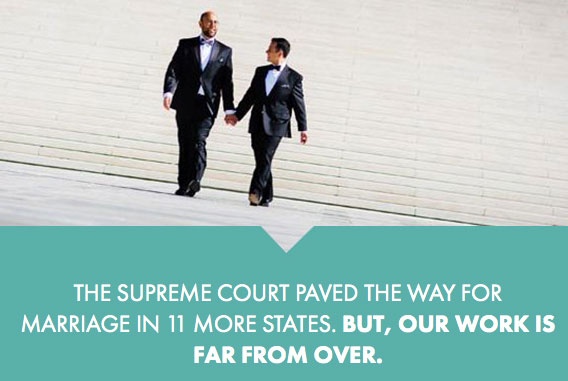
Donors to Gay Causes Consider Their Next Steps
After a spate of legal victories on same-sex marriage, the next challenge could be employment discrimination, bullying and homelessness among gays, or many issues at once.
By Avi Wolfman-Arent
Contributor

The Advocacy Work of Grant Makers Doesn’t End When Policy Battles Are Won
Grant makers can ultimately lose the battle if they don’t look ahead to the policies’ implementation and how market forces will react.
By Gwen I. Walden
Contributor
Confusing Federal Rules and Little Guidance Inhibit Power of Impact Investing, Group Says
Top philanthropists say nonprofits need clarity on when they must exit commercial investments and flexibility to do so when it makes financial sense.
By Alex Daniels
Contributor

Girls’ School Gets $40-Million Bequest From Alumna
An alumna of Foxcroft School left the gift because the institution helped students become independent, forward-thinking women.
By Caroline Bermudez
Contributor

What Happens if an Impact Investment Turns a Profit
The outcome is different if the money comes from a foundation than if it comes out of the donors’ pockets.
By Alex Daniels
Contributor

Couple Has Supported Brain Research and Routers in Remote Parts of the World
Steve and Jean Case plan to make $50-million in “impact investments” during the next three to five years. November 3, 2014 Confusing Federal Rules and Little Guidance Inhibit Power of Impact Investing, Group Says By Alex Daniels All the right ingredients are in place to create a big market for impact investments, says Jean Case, chief executive officer of the Case Foundation. Younger investors looking to do social good while seeing their money grow are ready to plunge in, and a fresh slate of entrepreneurs hoping to improve the world as well as start new businesses needs seed funding. However, a lack of clarity in federal regulations is holding back impact investing, says Ms. Case. Last summer the U.S. National Advisory Board on Impact Investing, on which Ms. Case sits, released a series of suggested changes to federal policy to help expand the market. “Many foundations are looking for more comfort, guidance, and, really, approval from Treasury in order to jump in the way they want to,” she says. Andrew Farnum, senior program investment officer at the Bill & Melinda Gates Foundation, agrees the rules are often confusing. For instance, he says, a foundation might be hesitant to pull out of an investment, even after achieving its social goal, if it would “take a bath” financially because of a low stock price. Related Content Steve and Jean Case Tout ‘Impact Investments’ Instead of Giving Money Away What Happens if an Impact Investment Turns a Profit Couple Has Supported Brain Research and Routers in Remote Parts of the World “It’s unclear when you’re required to divest,” he says. “There’s not great guidance.” Difficult Requirements Debra Schwartz, director of program-related investments at the MacArthur foundation and another member of the national advisory board, believes that the policy landscape generally inhibits smaller foundations from making impact investments. Larger foundations, like Gates and MacArthur, have the legal staff to make sure they are following the rules. “It can be challenging to thread the needle of regulatory requirements,” she says. The National Advisory Board recommended that the federal government: Allow pension plans to consider social benefits when making investments. Current regulations state that plans may “never subordinate the economic interests of the plan to unrelated objectives.” Clarify standards for foundations to allow traditional market analysis when they consider opportunities. Clarify rules for when a foundation must end a program-related investment. Make it clear that it is allowable to delay an exit until it is financially prudent to do so. Designate a third party, such as a think tank, to regularly review regulatory, tax, and capital programs to identify barriers and suggest statutory or regulatory changes that would increase the market. Allow foundations greater latitude in their nonprogrammatic investments so they could invest in assets “that have a special relationship or special value ... to the charitable purposes of the institution.” Permanently reauthorize the U.S. Overseas Private Investment Corporation and allow it to make investments that have a social value, rather than requiring it to support projects with meaningful connections to U.S. citizens or businesses. Endorse a framework being developed by the G8 Social Impact Investment Taskforce to create measurement standards. Send an e-mail to Alex Daniels. - See more at: http://preview.philanthropy.com/article/Confusing-Federal-Rules-and/149753/#sthash.kUHiE4Lz.dpuf

Steve and Jean Case Tout ‘Impact Investments’ Instead of Giving Money Away
The couple is increasingly putting money behind causes that hold the promise of generating financial returns.
By Alex Daniels
Contributor
Nonprofit CEOs Say Board Members Need to Be Better Fundraisers
More trustees give to the organizations they serve, according to a BoardSource study, but only 43 percent are comfortable asking others to donate.
By Holly Hall
Contributor
Donors Care More About How Money Is Spent Than Results, Study Says
BBB Wise Giving Alliance says 46 percent of donors base their level of trust on a nonprofit’s finances, while only 11 percent focus on activities.
By Alex Daniels
Contributor

Q&A: Chris Hughes on Tech Entrepreneurs and Philanthropy
The Facebook co-founder and The New Republic publisher shares his thoughts on the importance of data, giving directly to people in need, and how nonprofits can do better.
By Brian Reich
Contributor