

Money laundering doesn’t just make it harder to sanction Vladimir Putin and his cronies for the invasion of Ukraine. It depletes countries of funds needed to address the social problems that grant makers care about. There is no better time for philanthropy to do more to promote change.

By Michael Jarvis and Leslie Lang Tsai
People Who Are Homeless Are Not an Investment Opportunity
The head of a donor group aimed at tackling homelessness objects to a recent op-ed that proposes using endowment investments to solve the housing crisis.

Intel Commits $100 Million to Boost Education in Semiconductor Manufacturing
Also, Emerson will give $200 million over 10 years to address education inequities, and Blue Meridian Partners has committed $60 million to bolster the financial health of historically Black colleges and universities.

By M.J. Prest
Senior Editor, Solutions

The new effort aims to send healthier food to schools, prisons, and people at risk of poor health, as well as adding greater diversity to the mix of the world’s food suppliers.
By Kristen Griffith
Contributor

Lego Foundation’s New Grants Competition to Help Children Displaced by Covid, War, and Other Crises
The corporate foundation is building on its other big grants that have helped Sesame Street and the International Rescue Committee improve learning for the world’s youngest.
By Kristen Griffith
Contributor

Philanthropy Helped Reduce Institutional Placements for Foster Kids. Now Many Have Nowhere to Go.
Good philanthropic intentions fueled efforts to severely limit the number of foster children placed in group settings. But the movement has gone too far. More such facilities are needed for kids whose mental and behavioral challenges make placing them with families extremely difficult.
By Naomi Schaefer Riley
Contributor

Gordon and Betty Moore Foundation Commits Additional $300 Million for Amazon Conservation
Also, more companies and foundations commit grants to humanitarian efforts in Ukraine.
By M.J. Prest
Senior Editor, Solutions
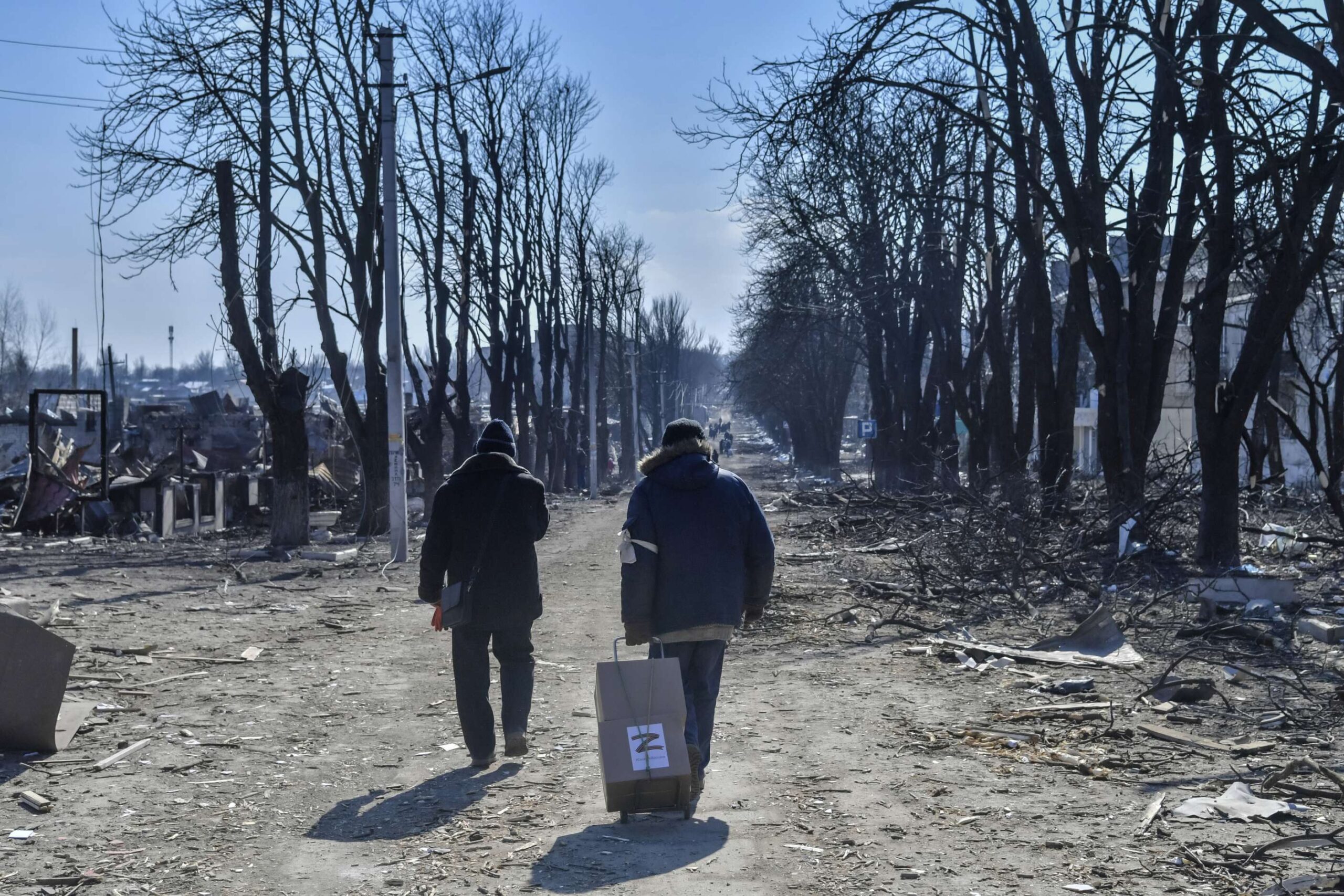
It’s not just basic humanitarian assistance but threats to civil society, global hunger, and health care that require grant makers to focus on what comes next, says Mark Malloch-Brown, head of the Open Society Foundations.

By Alex Daniels
Senior Editor, Foundations

Ukrainian Leaders Show the Power of a Story to Move Policy. Immigration Advocates Should Take Note.
A comprehensive immigration overhaul will not happen unless the movement can change cultural attitudes about people who were not born in the United States. To do that, philanthropy needs to invest in narrative change at least as much policy advocacy.
By Wendy Feliz
Contributor
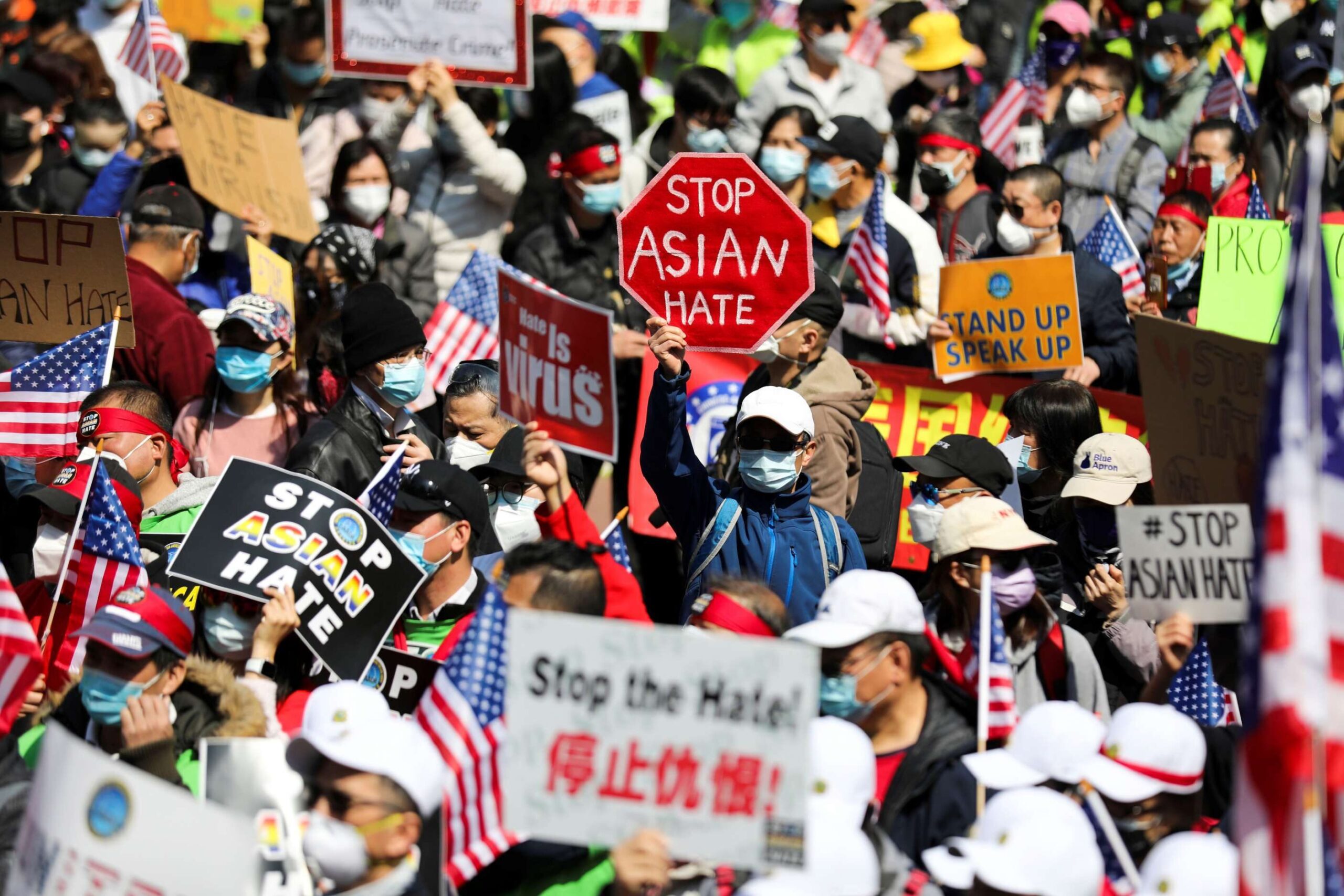
As Asian Hate Incidents Continue, Nearly $10 Million Flows to Groups Fighting the Attacks
The new Asian American Foundation, which has raised $1 billion, is focusing its early grants on tracking crimes and helping people learn how to stop an attack in progress, as well as other efforts to improve understanding of Asian culture.

By Eden Stiffman
Senior Editor

Ballmer Crafts New Funding Strategy to Confront Gun Violence
Steve and Connie Ballmer usually support economic-mobility efforts, but they came to the conclusion that gun violence hinders economic gains because it scars entire communities.

Open Society Foundations Commit $25 Million for Ukraine Democracy Fund
Also, the O’Donnell Foundation gave $100 million to endow a new public-health school at the University of Texas Southwestern Medical Center, and the Anthem Foundation pledged $30 million to address maternal health and improve health outcomes for mothers.
By M.J. Prest
Senior Editor, Solutions

Philanthropy has poured millions of grant dollars into addressing homelessness, with minimal impact.
By Daniel Heimpel
Contributor

The success of the Child Tax Credit, despite current setbacks, shows why grant makers need to break out of their ideological bubbles and help the left and right find common ground on social-policy issues.
By Samuel Hammond
Contributor

New Tack on Climate Change by Nonprofits and Foundations
The Million Cool Roofs Challenge is a shift for ClimateWorks, which has historically supported efforts to change policy and industry practices to bring down emissions. Plus, read an article on how <a href="https://staging.philanthropy.com/article/can-climate-change-be-stopped">philanthropy can curb climate change</a>.

By Jim Rendon
Executive Editor
How Can Philanthropy Curb Climate Change?
Donors are pouring billions into saving the planet as activists demand more money and influence and question foundations’ policy solutions.
By Jim Rendon
Executive Editor